
Trace of the Villa: why quiet dread and empty rooms unsettle us more than loud shocks
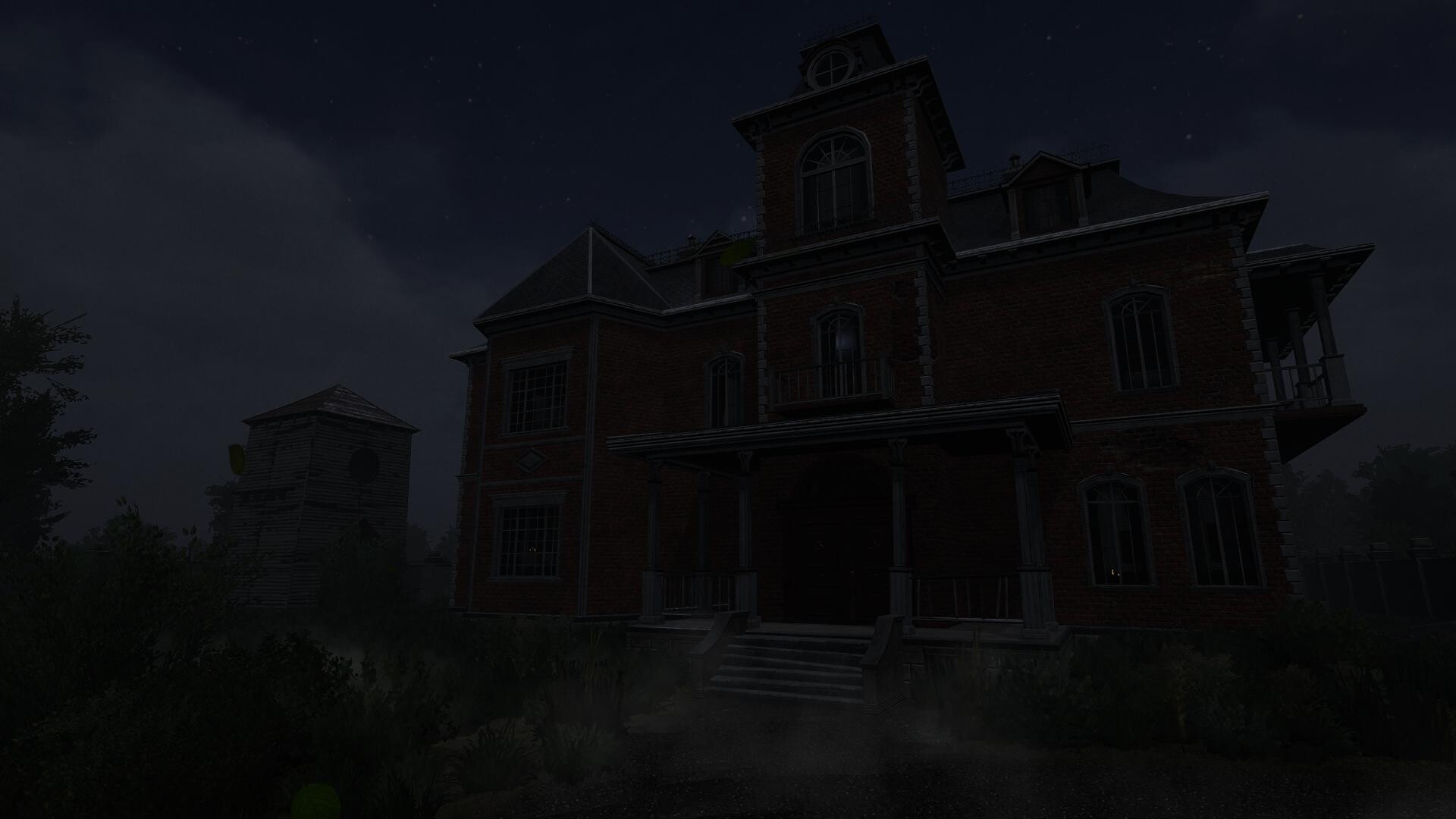
Trace of the Villa is a slow-burn, clue-driven exploration set in a remote, decaying mansion where Jin searches for his missing sister. Released on 28 May, 2026 by Steadyturtle Co., Ltd., the game leans on absence, erased identities, and the labor of piecing scattered evidence together to build psychological tension rather than relying on constant jump scares.

Who, what, when, where, why, how — the essentials
Who
Steadyturtle Co., Ltd. is listed as both developer and publisher. The protagonist named in the official Steam description is Jin, whose long search for his missing sister drives the narrative.
What
Trace of the Villa is described on Steam as an Action / Adventure / Indie title emphasizing investigation, environmental storytelling, and puzzle discovery inside a property that feels “less abandoned than erased.” The Steam page lists categories such as Single-player, Subtitle Options, Playable without Timed Input and Custom Volume Controls.
When & Where
The game released on Steam on 28 May, 2026 and is available on the Steam store page for PC players.
Why this quiet tension matters
The official pitch explains the house has rooms set as if occupants vanished mid-routine, personal items without names or photographs, and systems that reveal hidden compartments and encrypted fragments when power is restored. That scaffolding—absence, bureaucracy, and small, explainable artifacts—creates an anticipatory anxiety. It asks the player to imagine the gap between what’s visible and what’s missing, and that imagined space is the engine of dread.
How you play it
According to the Steam description, progression comes from investigation: restoring power, bringing secured systems back online, opening hidden compartments, and decrypting documents and records. Each solved puzzle reportedly exposes another layer of falsified identities and concealed movement. In other words, the gameplay loop centers on reading environments, assembling fragments, and following financial and documental trails rather than pure combat or reflex-based sequences.
Quick facts
| Title | Trace of the Villa |
|---|---|
| Steam AppID | 3483660 |
| Release date | 28 May, 2026 |
| Developer / Publisher | Steadyturtle Co., Ltd. |
| Genres | Action, Adventure, Indie |
| Notable categories | Single-player, Subtitle Options, Playable without Timed Input, Custom Volume Controls |
| Official short description | “Jin has spent years searching for his missing sister… a remote, decaying mansion… manifests and hints that indicate his sister may still be alive.” |
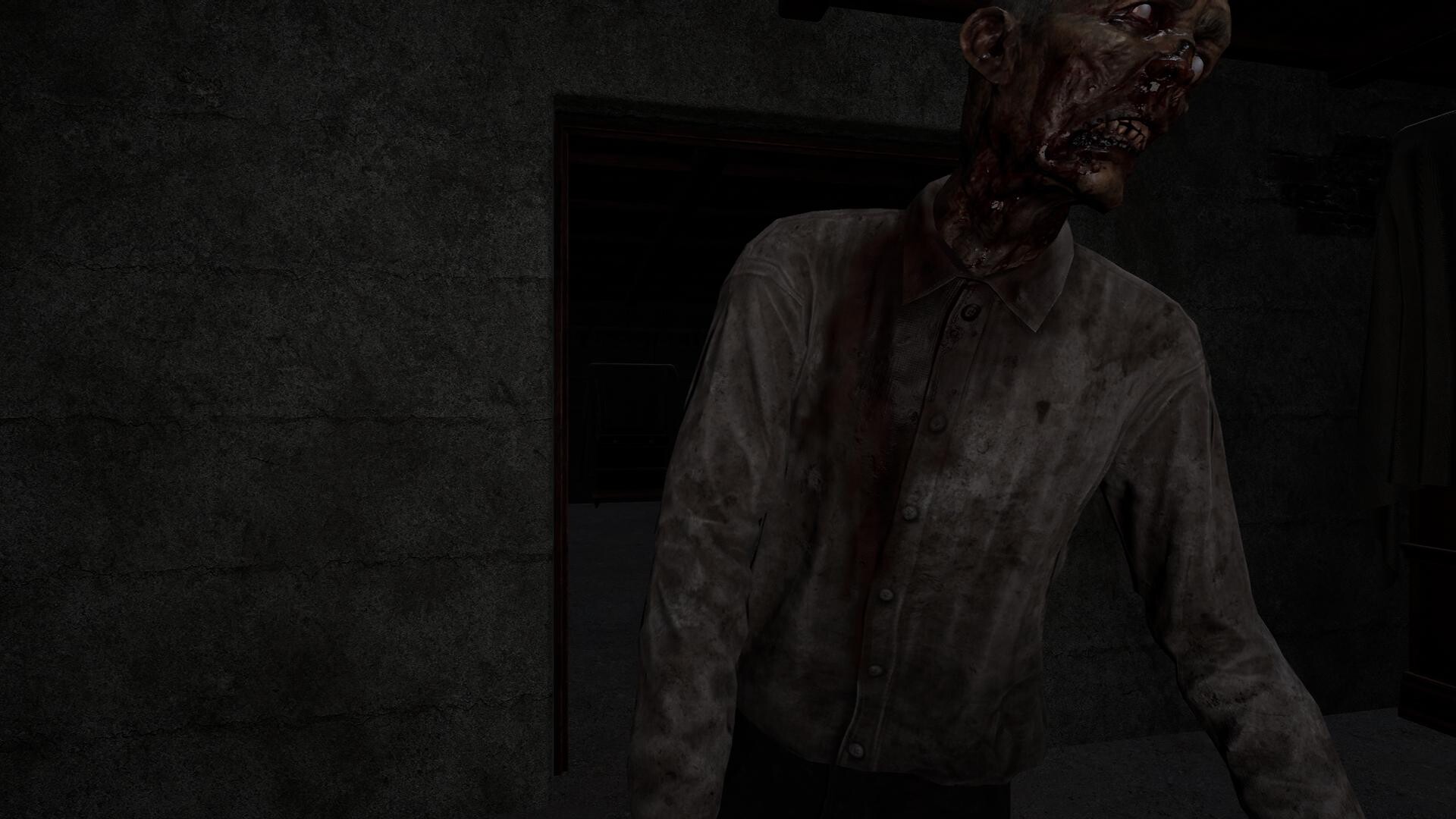
Images from the investigation
Who should wishlist Trace of the Villa?
- Players who prefer slow-burn suspense and layered atmosphere over frequent jump scares.
- Fans of environmental storytelling who enjoy cataloguing small objects and inferring larger narratives from fragments.
- Those who like narrative puzzle design where restoring systems and decrypting documents reveals the next breadcrumb.
- Photophobic or timing-averse players: the Steam page lists “Playable without Timed Input” and subtitle options, which suits a reflective, unhurried approach.
Player scenarios — specific recommendations
If you want quiet dread and long, speculative play sessions
Trace of the Villa fits. The premise—a mansion that appears intentionally scrubbed of identity—creates a slow-building fear that grows from unanswered questions rather than loud triggers.
If you play to test your nerves with constant adrenaline
Look elsewhere. The game’s description emphasizes investigation and restored systems unlocking secrets; pacing is implied to be investigative rather than relentless tension.
If you value accessibility and control over pacing
The Steam categories include Custom Volume Controls, Subtitle Options, and Playable without Timed Input—useful for players who prefer to set their own pace and focus on the narrative puzzle work.
How Trace of the Villa compares to nearby titles
| Title | Core focus | Atmosphere | Puzzle / Exploration | Typical pacing | Player fit |
|---|---|---|---|---|---|
| Trace of the Villa | Clue-driven exploration of an erased mansion (Action / Adventure / Indie) | Quiet dread, absence, bureaucratic traces | Restore systems, open compartments, decrypt documents | Slow, investigative | Players who like environmental storytelling and methodical discovery |
| Amnesia: The Dark Descent | Immersive survival-horror | Relentless dread and vulnerability | Exploration with sanity mechanics and environmental puzzles | Steady pressure with high-tension moments | Players seeking fear-of-being-hunted immersion |
| SOMA | Sci-fi existential horror | Claustrophobic, philosophical unease | Exploration, storytelling, occasional puzzles | Measured, narrative-focused | Players who want horror that asks philosophical questions |
| Layers of Fear (2016) | Psychological mansion horror focused on narrative | Surreal, memory-driven instability | Environment shifts and narrative puzzles | Variable — often disorienting | Players who prefer story-first, shifting environments |
| Poppy Playtime | Horror/puzzle with kit-based mechanics | Playful-but-threatening factory setting | Tool-based puzzles (GrabPack), mobility puzzles | Faster, set-piece moments | Players who like puzzle tools with sharper threat pacing |
Leave a Reply