
Trace of the Villa — an inspection-heavy mansion mystery for clue-driven explorers
Trace of the Villa places you in a decaying, off-the-grid mansion where Jin’s search for a missing sister turns into a slow-unspooling investigation built around objects, locked doors, and systems you must restore. It’s an atmospheric mystery adventure from Steadyturtle Co., Ltd., released on Steam on 28 May, 2026, that favors object logic and environmental puzzles over combat or reflex tests.

Who should wishlist this on Steam?
If you prefer slow-burn suspense and story-rich adventure driven by reading the environment, Trace of the Villa is aimed at players who enjoy methodical, inspection-heavy play. It suits people who like to chain small discoveries together — finding a safe, recovering an encrypted fragment, restoring power, then using that new system access to open the next layer of the house. Fans of atmospheric mystery adventure and narrative puzzle design who dislike timed inputs or heavy combat will find its pace and focus appealing; the Steam categories include Single-player and Playable without Timed Input, and accessibility options like Subtitle Options and Custom Volume Controls are available.
What the game is — a quick breakdown
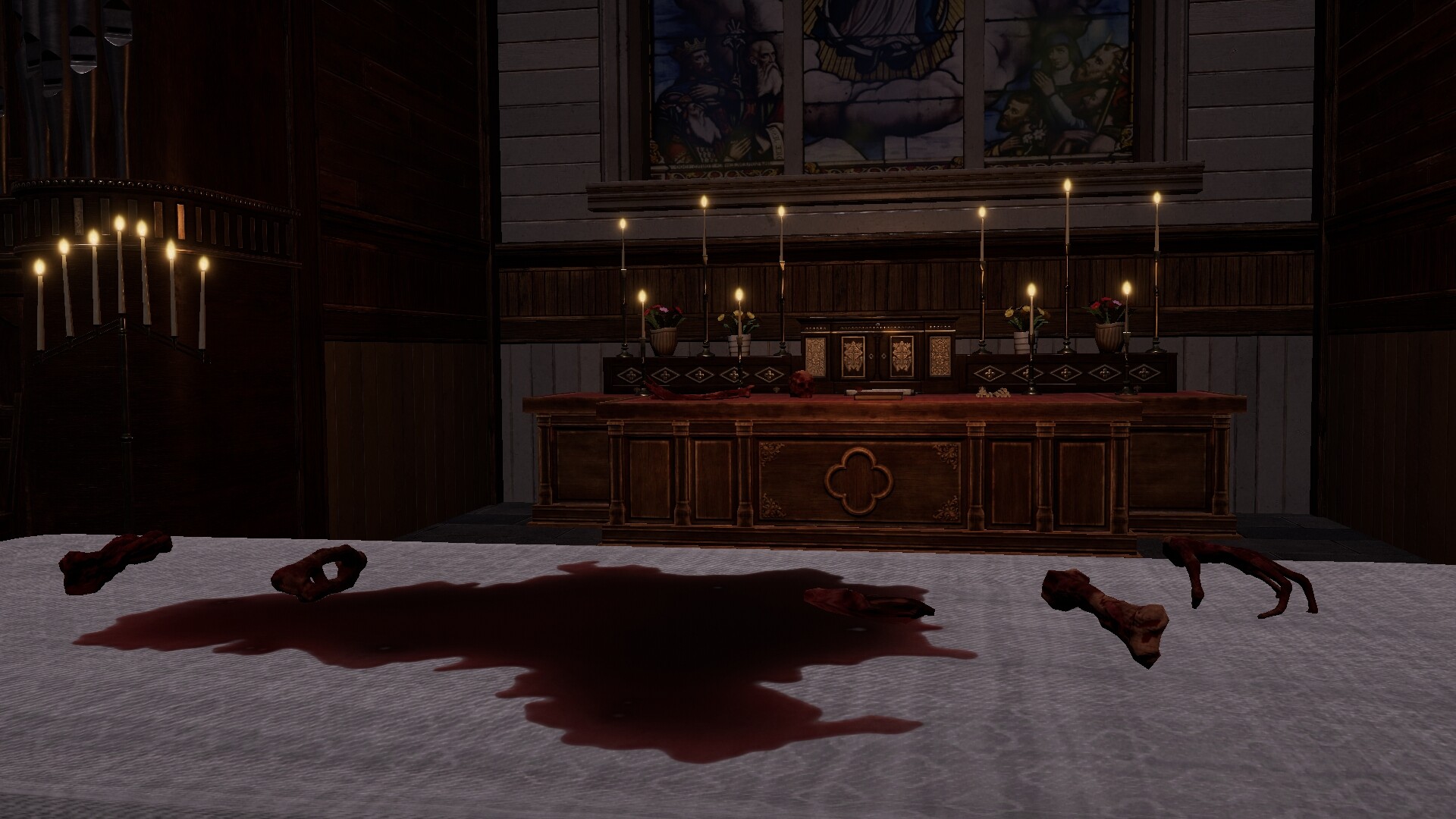
Officially described on Steam as a story about Jin tracing leads to a remote mansion and piecing together manifests and hints that suggest his sister may still be alive, Trace of the Villa unfolds as a psychological investigation in a property that has been “deliberately forgotten.” The mansion’s rooms look as if occupants vanished mid-routine, and solving puzzles restores systems that reveal financial trails, falsified identities, hidden compartments, and encrypted documents. That description points to an emphasis on environmental storytelling and object logic: items, documents, and reactivated systems are the primary conveyors of plot and puzzle solutions.
When and where — availability on Steam
Trace of the Villa launched on Steam on 28 May, 2026 and is published and developed by Steadyturtle Co., Ltd. It is presented there as an Action / Adventure / Indie title with single-player and accessibility-related categories such as Color Alternatives and Family Sharing.
| Title | Trace of the Villa |
|---|---|
| Steam AppID | 3483660 |
| Release date | 28 May, 2026 |
| Developer / Publisher | Steadyturtle Co., Ltd. |
| Genres | Action, Adventure, Indie |
| Key categories | Single-player; Playable without Timed Input; Subtitle Options; Color Alternatives; Custom Volume Controls; Family Sharing |
How you progress — reading, restoring, and chaining clues
The Steam description makes the game’s mechanical spine clear: Jin must restore power and reactivate systems to reveal locked away evidence. That signals several concrete puzzle patterns you should expect:
- Object logic: items and safes yield fragments you must decode or combine; inventory and careful inspection matter more than twitch skills.
- Environmental puzzles: reactivating systems (power, security, hidden mechanisms) changes the playable space and unlocks new interactive layers.
- Clue chains: progress is incremental and cumulative — one unlocked compartment often provides a lead that ties to another room or document, creating a chain of discoveries.
Because the design emphasizes restoring systems and reading evidence, this is a game for players who like to stop, examine, and annotate mentally (or on a notebook) rather than those who prefer constant action or open-ended sandbox freedom.

Why the theme matters — identity, erasure, and the slow-burn reveal
The mansion’s atmosphere is described as “less abandoned than erased,” with missing photographs and stripped identities. That narrative choice dovetails with a puzzle design that rewards careful observation: when a story hides names and histories, the environment becomes the primary narrator. For players interested in psychological investigation and environmental storytelling, Trace of the Villa’s premise promises a pacing that lets plot beats emerge through recovered documents, encrypted transactions, and reactivated systems rather than expository cutscenes.
How it differs from nearby mystery/puzzle games
Below is a concise, editorial comparison based on genre, puzzle focus, atmosphere, exploration style, and player preference—drawn from official descriptions and store categorizations.
| Title | Puzzle focus | Atmosphere / tone | Exploration / pacing | Player fit |
|---|---|---|---|---|
| Trace of the Villa | Object logic, system reactivation, encrypted fragments | Slow-burn, unsettling, identity-erasure mystery | Methodical; progress unlocks new systems and spaces | Players who prefer inspection-led narrative puzzles |
| The Room / The Room Two | Mechanical safes and layered object puzzles (cast-iron safe, stone pedestal) | Mysterious, tactile, isolated puzzle-object focus | Room-by-room, highly focused puzzle chambers |
Steam pageView Trace of the Villa on Steam YouTube discoveryFor trailer and gameplay discovery, use YouTube search rather than relying on unverified embeds: Find Trace of the Villa trailer and gameplay searches on YouTube. CommentsMore posts |
Leave a Reply