
Trace of the Villa — a slow-burn mansion mystery built around missing pieces
Trace of the Villa puts you in the shoes of Jin, a man who “has spent years searching for his missing sister” and follows a lead to a remote, decaying mansion where manifests and hints suggest she might still be alive. The game frames investigation as an escalating, personal peel-back of a deliberately erased place: restore power, unlock systems, and watch the house reveal encrypted fragments of a larger operation.

Who, what, when, where, why, how
Who is it for
Players who prize atmospheric mystery adventure and environmental storytelling over twitch reflexes: people who like clue-driven exploration, slow-burn suspense, and narrative puzzle design. Accessibility-friendly features listed on the Steam page — playable without timed input, subtitle options, custom volume controls and color alternatives — signal an experience tuned for deliberate investigation rather than fast action.
What the game is
Trace of the Villa is an Action / Adventure / Indie title from Steadyturtle Co., Ltd. Its official short description opens the premise: “Jin has spent years searching for his missing sister… recovered manifests and hints that indicate his sister may still be alive.” The plain description expands that the mansion feels “less abandoned than erased” and that restoring systems yields encrypted documents, falsified identities, and evidence of controlled movements.
When and where
Trace of the Villa released on 28 May, 2026 and is available on Steam for PC. The Steam app ID is 3483660; you can open the store page directly via the link at the end of this piece.
Why the theme matters
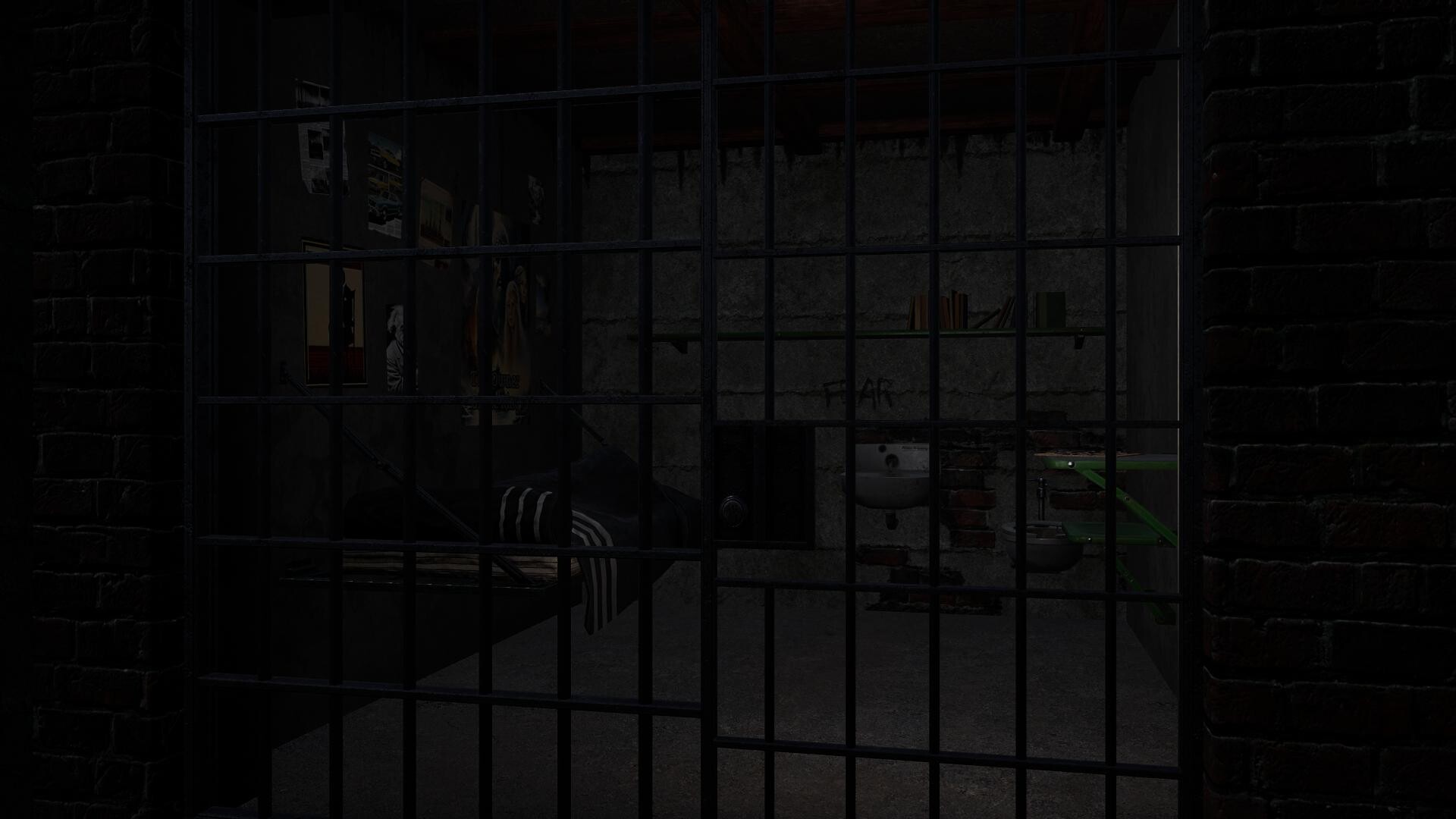
At its core the game trades on a specific narrative curiosity: the emotional friction of searching for a loved one inside a place designed to forget. The stakes here are personal — the search for Jin’s sister — and the atmosphere grows from items left mid-usage, sealed rooms, and financial and identity traces that refuse to add up. For players drawn to detective work as an emotional process, that tension — between personal motivation and institutional obfuscation — is the engine.
How you progress
Progress comes from reading the scene and restoring systems. According to the official description, restoring power to the estate brings locked systems back online, unlocked compartments, and safes that produce encrypted fragments. That implies a loop of sensory discovery → environmental puzzle solving → document fragments that reframe the next area of search. The emphasis is on pieces of evidence and decrypted timelines rather than combat-driven advancement.

Quick facts
| Title | Trace of the Villa |
|---|---|
| Steam App ID | 3483660 |
| Release date | 28 May, 2026 |
| Developer / Publisher | Steadyturtle Co., Ltd. |
| Genres | Action, Adventure, Indie |
| Categories / Accessibility | Single-player; Color Alternatives; Custom Volume Controls; Playable without Timed Input; Subtitle Options; Family Sharing |
| Official premise | Jin has spent years searching for his missing sister, pursuing leads that took him to a remote, decaying mansion where he recovered manifests and hints that indicate his sister may still be alive. |
How it compares to other story-driven mystery/adventure experiences
Below is a compact editorial comparison focused on tone, investigative focus, exploration style, puzzle emphasis, and pacing. These are comparison criteria readers use to decide fit, not judgments of quality.
| Title | Atmosphere & Tone | Investigation / Puzzle Focus | Exploration Style | Pacing & Player Fit |
|---|---|---|---|---|
| Trace of the Villa | Decaying mansion, erasure of identity, personal investigation. | Clue-driven: restore systems, decrypt fragments, trace financial/identity leads. | Constrained, room-by-room mansion exploration with layered reveals. | Slow-burn; suited to players who want steadily unfolding revelations tied to character motivation. |
| Inscryption | Inky, metafictional, often uncanny. | Puzzle and card-based mechanics blended with escape-room puzzles. | Interleaves intimate spaces and meta layers rather than a single mansion. | Experimental and cryptic; for players who like surprises and genre-mixing. |
| Outer Wilds | Cosmic, curious, quietly melancholic. | Environmental puzzles reveal narrative across a solar system. | Open, exploratory — freedom to follow threads across locations. | Loose, discovery-driven pacing for players who enjoy emergent narrative connections. |
| The Medium | Psychological, dual-reality eeriness. | Environmental and narrative puzzles tied to the protagonist’s perception. | Linear but with parallel-reality exploration elements. | Atmospheric and story-focused; for players who want horror-tinged introspection. |
| The Forgotten City | Ancient mystery, moral consequences, puzzle-driven narrative. | Puzzle and narrative loops tied to moral outcomes. | Focused area exploration with time-loop mechanics. | Discursive and choice-heavy; fits players who value philosophical stakes alongside puzzles. |
Player scenarios — who should wishlist this
- You like slow narratives that reward attention: If you enjoy uncovering meaning from fragments — manifest pages, encrypted notes, and staged rooms — this is designed for patient, detail-oriented players.
- You want emotional motives tied to exploration: Jin’s search for his sister gives the investigation personal weight, so players driven by character stakes rather than abstract mystery will find traction here.
- You prefer investigation over action: With “playable without timed input” noted in Steam categories, the design favors thoughtful puzzle solving and scene-reading over reflex challenges.
- You care about accessibility and comfort: Color alternatives, subtitles, and custom audio controls point to configurable options for a range of players.
YouTube discovery
Looking for trailers or gameplay videos? Use this YouTube search to find trailers and player footage (search results may include publisher videos and community uploads): Search Trace of the Villa on YouTube.