
Trace of the Villa — A premise-first guide to the mansion mystery
Jin has spent years searching for his missing sister, following a lead to a remote, decaying mansion where manifests and hints suggest she may still be alive. Trace of the Villa asks players to read the house like a witness: restore systems, pry open locked compartments, and let the estate’s erased histories point the way.

At a glance — facts you can trust
| Title | Trace of the Villa |
|---|---|
| Steam AppID | 3483660 |
| Release date | 28 May, 2026 |
| Developer | Steadyturtle Co., Ltd. |
| Publisher | Steadyturtle Co., Ltd. |
| Genres | Action, Adventure, Indie |
| Key Steam categories | Single-player; Color Alternatives; Custom Volume Controls; Playable without Timed Input; Subtitle Options; Family Sharing |
Who this is for
If you prize atmospheric mystery adventure and environmental storytelling over combat spectacle, Trace of the Villa targets you. This is for players who enjoy clue-driven exploration where progress hinges on reading items, restoring systems, and assembling a timeline from fragmentary documents — particularly those who respond to a personal-motive protagonist (Jin) and a mansion setting that reads like a crime scene.
What the game actually is
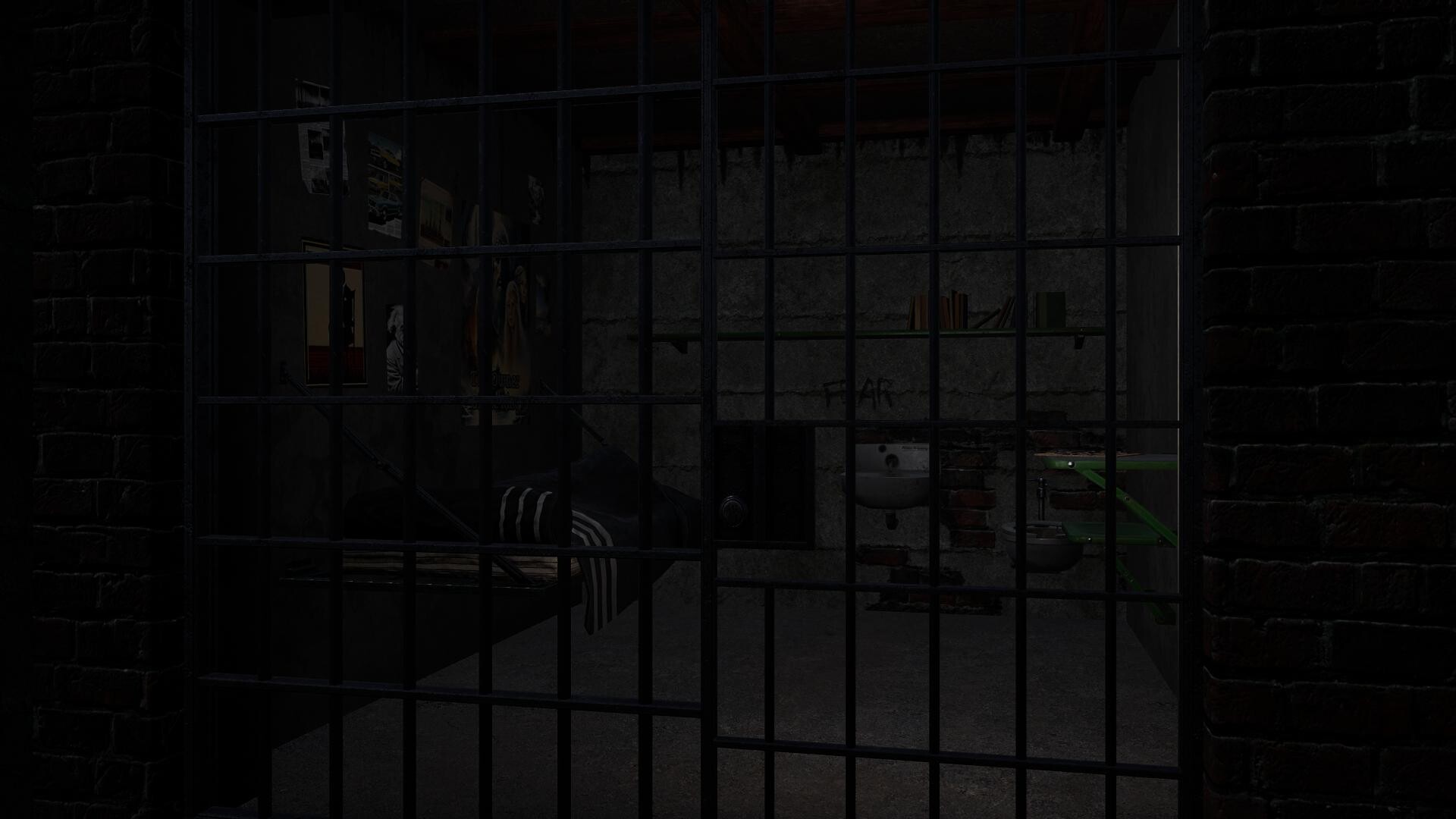
Officially described on Steam, the premise is tightly focused: Jin follows a lead to a remote decaying mansion and recovers manifests and hints indicating his missing sister may still be alive. The estate feels “less abandoned than erased” — rooms set as if people vanished mid-routine, missing photographs and names, locked doors, and encrypted fragments in safes. As Jin restores power, secured systems and hidden compartments begin to yield financial trails, falsified identities, and other clues that expand the investigation beyond a single house.

When and where
Trace of the Villa launched on Steam on 28 May, 2026 and is available on PC through the Steam store page for the title. The Steam listing highlights accessibility options such as subtitle options, color alternatives, custom volume controls, and that it is playable without timed input — useful signals for players who prefer measured, puzzle-led pacing.
Why the narrative setup matters
The core of the game is a psychological investigation framed by a personal search. Because the mansion is presented as deliberately erased — missing names, falsified documents, secured systems — the narrative curiosity is in the gaps. Players who relish reconstructing identity (who lived here? why were names removed?) and following paper trails and system logs to larger conspiracies will find the premise compelling. The setting turns standard exploration into an exercise in forensic reading.
How you progress — reading the house
Progress appears to depend less on reflex and more on observation and deduction. Restoring power and reactivating secured systems is explicitly part of the loop; that process unlocks safes, encrypted documents, and financial trails. Expect a mix of environmental puzzles and narrative puzzle design: find the right terminal, decode or piece together manifests, and use physical clues to access new areas. The Steam categories suggest the experience is single-player, without time-pressure mechanics, which supports a slow-burn investigative pace.
Player scenarios — which playstyles will enjoy this most
- Slow-burn investigators: You like to take notes, backtrack to cross-reference items, and savor atmospheric reveals rather than getting quick jump scares.
- Document readers and puzzle solvers: You enjoy decrypting files, assembling timelines, and following financial or identity trails to larger systems.
- Accessibility-minded players: You appreciate subtitle support, color alternatives, and a game design that doesn’t rely on timed input.
- Mansion-mystery fans: You favor narratives where a building itself is the primary witness and the storytelling is delivered through rooms, possessions, and locked electronics.
How Trace of the Villa compares — short editorial table
| Title | Primary tone | Exploration style | Puzzle focus | Pacing / player fit |
|---|---|---|---|---|
| Trace of the Villa | Atmospheric mansion mystery, investigative | Indoor, clue-driven, systemic (restore power, unlock compartments) | Document and environment puzzles; encrypted records | Slow-burn; for players who prefer reading and deduction |
| Inscryption | Bleak, meta-horror card odyssey | Card-driven encounters and escape-room puzzles | Puzzle and deckbuilding blended; emergent secret layers | Players who enjoy mechanical surprises and meta-narrative reveals |
| Outer Wilds | Curious, cosmic mystery | Open-system, exploration across varied locales | Puzzle through observation and experimentation | Explorers who like discovery loops and systemic mysteries |
| The Forgotten City | Narrative-driven, ethical/time-loop mystery | Investigative exploration with time mechanics | Dialogue and environmental puzzles tied to consequences | Players who enjoy moral puzzles and narrative branching |
| The Medium | Psychological horror with dual-realm exploration | Parallel-reality exploration and narrative atmosphere | Puzzle and atmosphere interwoven with story | Those who like tense, story-heavy horror with dual mechanics |
Where to find trailers and gameplay
For trailers or gameplay clips, use this YouTube search path (note: this links to search results rather than a verified official video): Search Trace of the Villa trailers and gameplay on YouTube.
Next steps — wishlist or pass?
Wishlist Trace of the Villa if you want a narrative puzzle experience that privileges forensic reading and atmospheric, slow-burn investigation. If you prefer fast-paced action, open-world traversal, or games driven primarily by combat, this title’s clue-driven mansion work will likely feel too deliberate.
Steam store link: Trace of the Villa on Steam
Disclaimer: Referenced titles and trademarks belong to their respective owners. Comparisons in this article are editorial discovery and not endorsements.
Leave a Reply