
Trace of the Villa: why environmental dread and quiet uncertainty beat cheap shocks
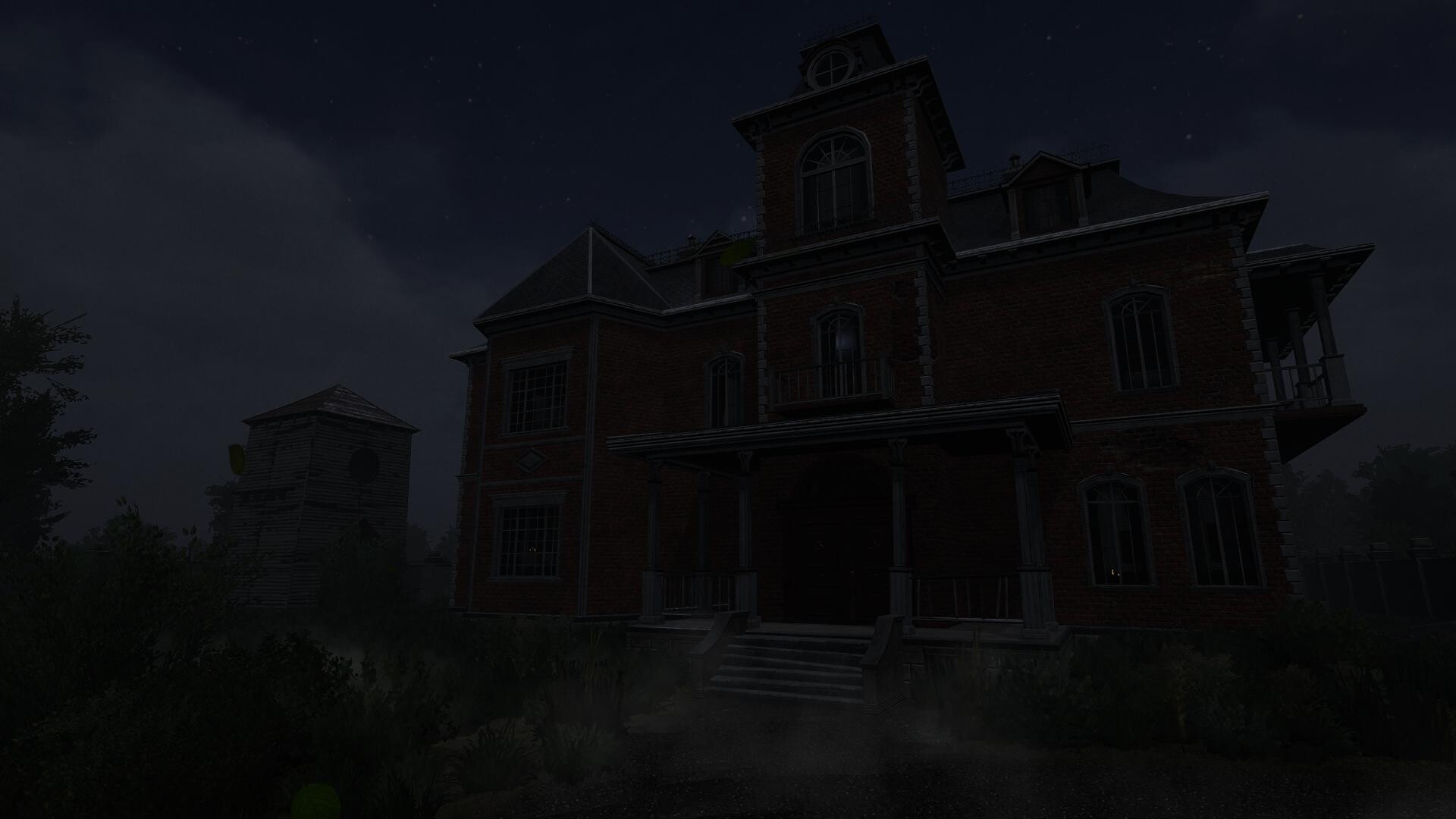
Trace of the Villa opens with a single, unnerving premise: Jin has followed a cold trail to a remote, decaying mansion and found evidence that his missing sister might still be alive. The game leans into slow-burn tension — rooms that feel “erased,” power to be restored and secrets that only reveal themselves when systems come back online — trusting architecture and silence to do the scaring for it.

Who, what, when, where, why, how
Who it’s for
Players who prefer atmospheric mystery adventure and narrative puzzle design over jump-scare theatrics — people who want to piece a timeline together from objects, locked systems and financial paper trails. If you enjoy investigative, clue-driven exploration in a story-rich adventure on PC/Steam, this is pitched at you.
What the game is
Trace of the Villa is an Action / Adventure / Indie title from Steadyturtle Co., Ltd. The official short description sets Jin as the protagonist searching for his missing sister inside a deliberately forgotten mansion. The estate’s rooms feel furnished but emptied of identity; restoring power reveals hidden compartments, encrypted documents and signs of a larger, concealed operation.
When and where
Trace of the Villa released on 28 May, 2026 and is available on Steam for PC. The Steam store page lists developer and publisher as Steadyturtle Co., Ltd. and includes standard accessibility and options categories such as subtitles and custom volume controls.
Why the theme matters
Environmental dread — silence, the way a chair is turned or a light bulb hums — creates an ongoing uncertainty that conditions how you interpret every clue. Rather than punctuating tension with repeated shocks, the mansion’s design and the act of restoring systems turns exploration itself into suspense: a discovery can recontextualize everything that came before.
How you progress
The game emphasises investigative actions: restoring power to the estate returns functionality to secured systems, hidden compartments unlock and safes produce fragments of encrypted documents and suspicious transfer records. Each solved puzzle yields further traces — a pattern of arrivals without records, departures without witnesses — that push Jin (and the player) deeper into the mystery.
Key visuals

Quick facts
| Title | Trace of the Villa |
|---|---|
| Steam AppID | 3483660 |
| Release date | 28 May, 2026 |
| Developer / Publisher | Steadyturtle Co., Ltd. |
| Genres | Action, Adventure, Indie |
| Steam categories / features | Single-player; Color Alternatives; Custom Volume Controls; Playable without Timed Input; Subtitle Options; Family Sharing |
| Official premise | Jin searches for his missing sister in a decaying, off-grid mansion; restoring power and solving puzzles uncovers encrypted documents and a pattern of concealed arrivals and departures. |
Who should wishlist it — specific player scenarios
- You like slow-burn suspense where the environment itself is the antagonist: preferring tense hushes and unsettling stillness over repeated jump scares.
- You enjoy detective-style puzzle progression: restoring systems, unlocking safes and following financial or document-based traces appeals to your investigative instincts.
- You want narrative atmosphere tied to level design: rooms that imply the lives once lived there, with missing identities and falsified records providing story beats.
- You’re an exploratory player who appreciates pacing that lets revelations reframe prior discoveries rather than delivering a linear string of shocks.
- You care about accessibility and control options on PC — the Steam page lists subtitles, custom volume controls and options to play without timed input.
How Trace of the Villa compares — editorial discovery
Below is a concise comparison on lawful editorial criteria: genre, atmosphere, puzzle focus, exploration style, story tone and pacing. These entries draw on the Steam descriptions and widely known design emphases for each title.
| Title | Genre / Setting | Atmosphere | Puzzle / Investigation | Exploration style | Story tone / Pacing |
|---|---|---|---|---|---|
| Trace of the Villa | Action / Adventure; decaying, off-grid mansion | Environmental dread, silence, unsettling room design | Clue-driven: power restoration, safes, encrypted documents | Slow, clue-oriented, spaces that reveal information when reactivated | Slow-burn, investigative, revelations that recontextualize prior scenes |
| Amnesia: The Dark Descent | Action / Adventure / Indie; first-person survival horror | Immersive, oppressive dread | Environmental puzzles tied to survival and navigation | First-person immersion with emphasis on horror survival | Intense, claustrophobic pacing focused on immersion |
| SOMA | Action / Adventure / Indie; sci‑fi horror under the ocean | Existential, isolating | Story and environment-based puzzles that raise philosophical questions | Exploration of contained, hostile environments | Slow-burning, reflective, narrative-driven |
| Layers of Fear (2016) | Adventure / Indie; Victorian mansion, psychological horror | Unsettling, surreal and shifting architecture | Puzzle and progression often tied to changing environments | Unreliable mansion exploration with metamorphosing spaces | Psychological, highly atmospheric, variable pacing around reveals |
| Poppy Playtime | Action / Adventure / Indie; abandoned toy factory | Playful-meets-unnerving, toy-centric dread | Puzzle mechanics (e.g., GrabPack) integrated into traversal and encounters | Set-piece puzzle rooms and encounters within a single industrial facility | Faster pacing with set-piece moments and puzzle encounters |
Use this as editorial context: Trace of the Villa sits closer to the investigative, environmental storytelling of Layers of Fear and SOMA in tone, while its Action/Adventure tag suggests more active puzzle interactions than the pure walking-sim end of the spectrum.
YouTube discovery
Search for trailers and gameplay videos: Steam page
Leave a Reply