
Trace of the Villa: why slow-burning uncertainty matters more than jump scares
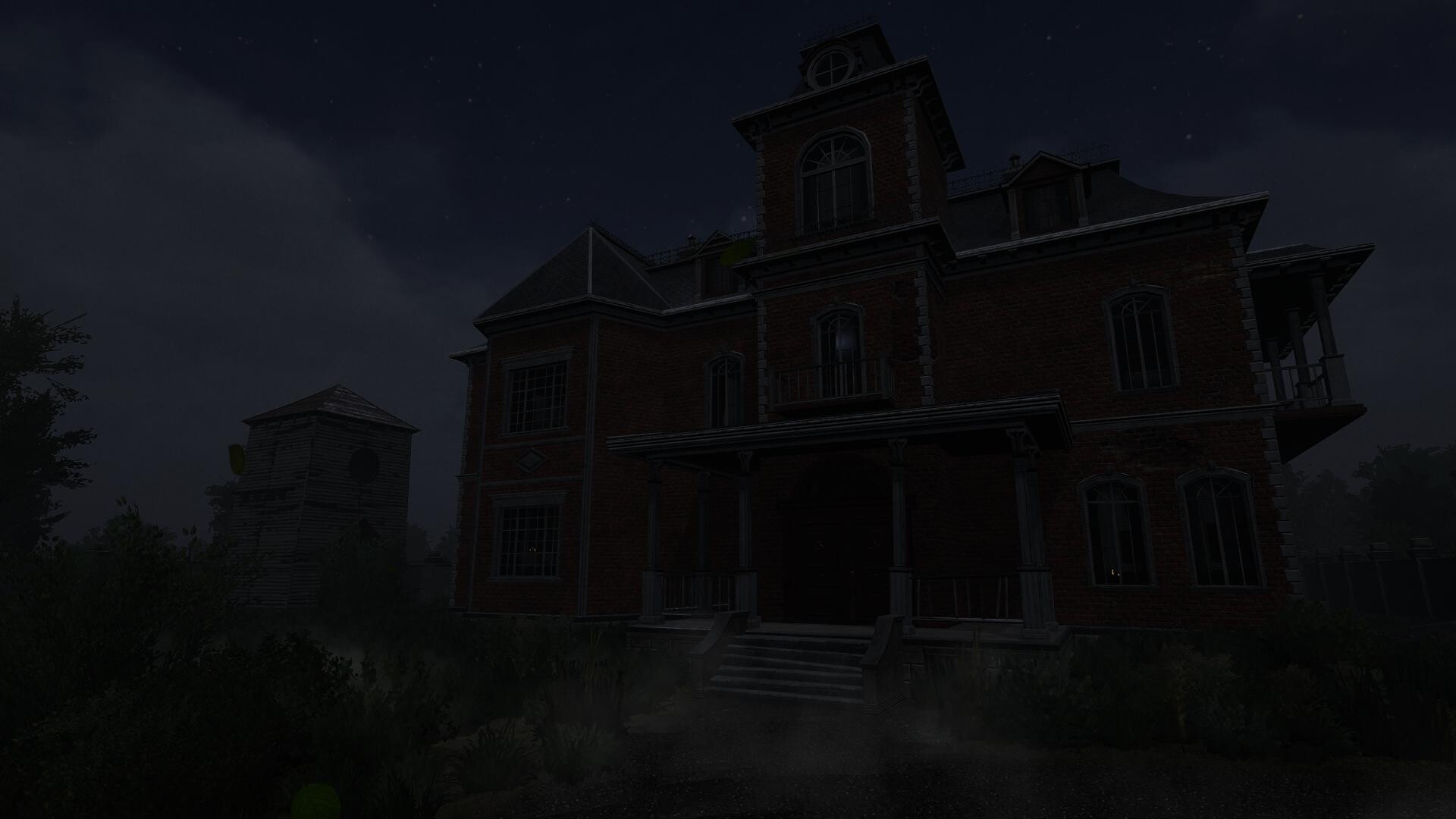
Trace of the Villa is an atmospheric mystery adventure about Jin following leads to a remote, decaying mansion in search of his missing sister. Its strength is not in sudden shocks but in a creeping sense of erased lives and unanswered questions that force you to read environments as evidence.

What exactly is Trace of the Villa?
Developed and published by Steadyturtle Co., Ltd., Trace of the Villa is listed on Steam as an Action / Adventure / Indie title. According to the official store copy, you play Jin, a man who has spent years searching for his missing sister and arrives at a remote, deliberately forgotten mansion where rooms look lived-in yet identities appear to have been removed. The game’s release date on Steam is 28 May, 2026.
Compact facts
| Title | Trace of the Villa |
|---|---|
| Steam AppID | 3483660 |
| Release date | 28 May, 2026 |
| Developer / Publisher | Steadyturtle Co., Ltd. |
| Genres | Action, Adventure, Indie |
| Key Steam categories | Single-player; Color Alternatives; Custom Volume Controls; Playable without Timed Input; Subtitle Options; Family Sharing |
Where and when you can play (Steam context)
Trace of the Villa is available on Steam, released 28 May, 2026. The Steam page provides the core synopsis and multiple screenshots that emphasise a mansion whose systems and secrets come back online as Jin restores power — a clear signal that environmental puzzles and investigative mechanics are central to progression.
Why quiet tension and uncertainty matter here
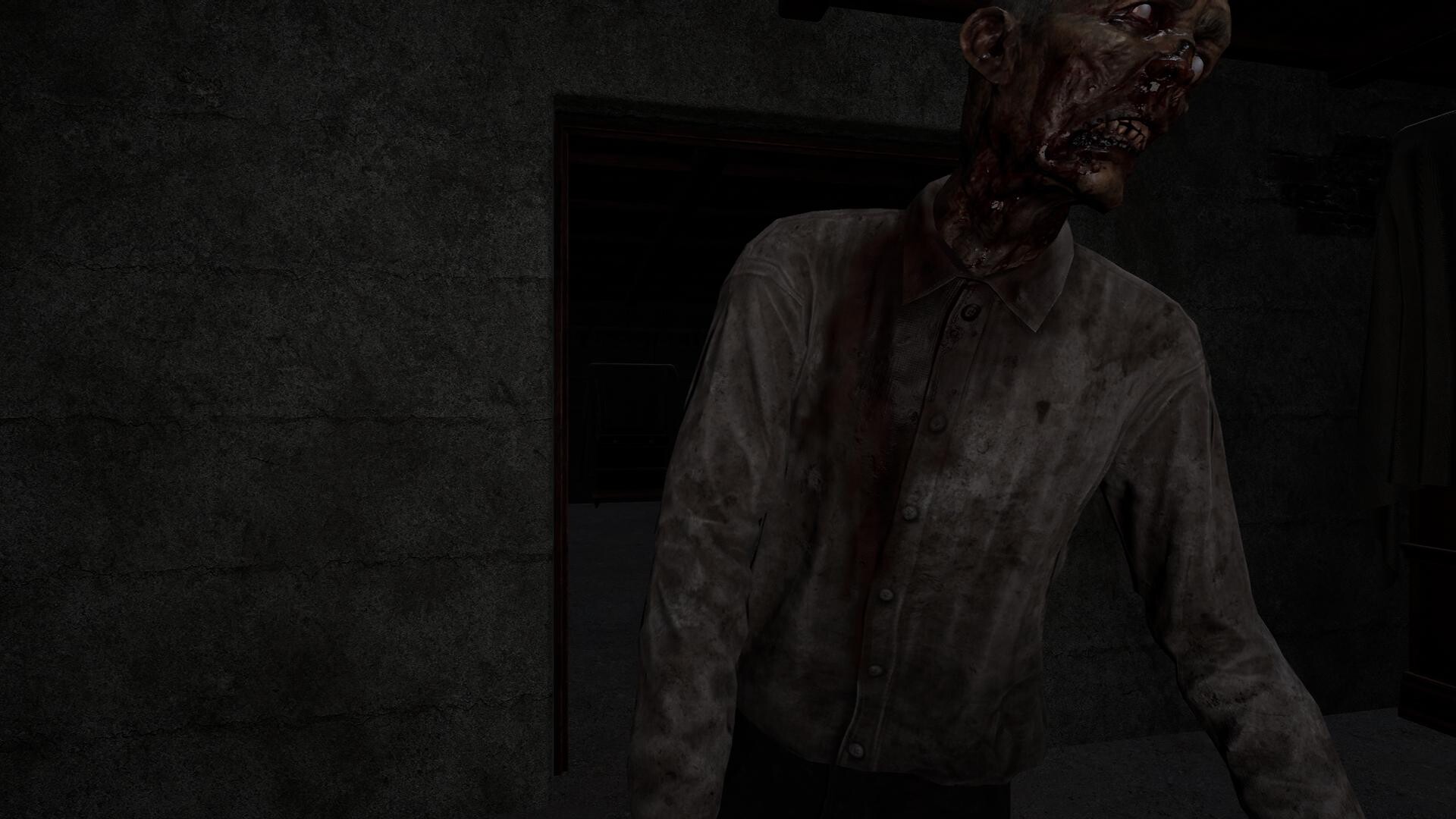
Modern horror often leans on surprising players with loud moments. Trace of the Villa instead foregrounds erased identities, locked rooms, falsified records, and empty personal effects with the names and photos removed. That absence — the deliberate removal of history — creates a sustained cognitive dissonance: you recognise domestic traces but cannot anchor them to people or stories. That uncertainty turns every unlocked safe, restored terminal, or manifest fragment into a small but powerful revelation.
When a game makes you work for meaning, each clue accrues, and suspense becomes existential rather than reflexive. The official description highlights restored systems, hidden compartments, and encrypted fragments — language that promises clue-driven exploration and narrative puzzle design over constant adrenaline spikes.
How progression and investigation work (what you actually do)
The Steam copy describes tangible investigative actions: restoring power, reactivating estate systems, opening locked doors and safes, and assembling fragments of manifests and transfer records. Progress is therefore a mix of environmental interaction and puzzle-solving: return electricity to rooms to make locked or automated systems usable; interpret documents and manifests to follow financial and identity traces; and use newly available systems to reveal further sealed spaces. That procedural layering is what makes the mansion read like a case file rather than a sequence of scripted scares.
Who should wishlist this
- Players who prefer slow-burn psychological investigation to twitch-based scares.
- Fans of environmental storytelling and narrative puzzle design that rewards careful reading of spaces and documents.
- Anyone who likes mansion mysteries where identity and erased histories are central motifs rather than obvious monsters.
Player scenarios — who will enjoy it, and how it plays out
Scenario A: The meticulous detective
You play more like an archivist than an action hero: you restore power, catalogue manifests, decrypt fragments, and map movements. If you enjoy piecing together timelines from small artifacts, Trace of the Villa is pitched to reward that patience.
Scenario B: The atmospheric explorer
You move slowly, linger in rooms, and let the environment settle into your memory. The game’s erased identities — rooms staged as if their occupants vanished mid-routine — make exploration itself unnerving and meaningful.
Scenario C: The puzzle-minded skeptic
If you prefer logical puzzles that open new systems, the game’s emphasis on restoring estate infrastructure and unlocking secured compartments gives recurring mechanical goals tied directly to narrative advancement rather than set-piece jump scares.
How it compares to nearby mystery/puzzle-horror titles
Below is a compact editorial comparison on lawful criteria: atmosphere, exploration, puzzle focus, pacing, and tone. These are discovery-oriented observations meant to help you decide fit, not to assert superiority.
| Title | Core mood | Exploration & puzzle focus | Pacing | Player fit |
|---|---|---|---|---|
| Trace of the Villa | Eroded domestic spaces; identity erasure | Clue-driven: restore systems, open safes, read manifests | Slow burn; investigative | Players who like environmental storytelling and gradual reveals |
| Amnesia: The Dark Descent | Immediate dread and immersion | Exploration-focused with survival horror mechanics | Often tense with peaks of visceral fear | Players seeking immersion and moments of high anxiety |
| SOMA | Philosophical, existential dread | Exploration with narrative puzzles and strong sci-fi themes | Measured, narrative-led | Players who want story questions about identity and consciousness |
| Layers of Fear (2016) | Unsettling, surreal mansion psychodrama | Environmental puzzles tied to a shifting world | Atmospheric, with psychological peaks | Players drawn to story-driven, artistically unsettling settings |
| Poppy Playtime | Playful-but-creepy factory horror | Puzzle-adventure with toy-mechanic interactions | Varied tempo with set-piece encounters | Players who like puzzle tools and more direct encounters |
YouTube discovery
If you want to see trailer or gameplay footage, search results can be found here: Trace of the Villa — YouTube search. This is a search path for trailer and gameplay content; do not assume a specific video is the official trailer unless the Steam page or the developer verifies it.
Final take: who should wishlist it
If you prize atmospheric mystery adventure and
Leave a Reply