
Trace of the Villa — object logic, environmental puzzles, and inspection-heavy mystery
Trace of the Villa drops you into a decaying mansion where piecing together manifests, encrypted fragments, and restored systems is how the plot — and your progress — unfold. If you favor locked-room thinking, slow-burn suspense, and puzzles that reward careful inspection and chaining of small discoveries, this one is worth a look.

| Title | Trace of the Villa |
|---|---|
| Developer / Publisher | Steadyturtle Co., Ltd. |
| Release date | 28 May, 2026 |
| Genres | Action, Adventure, Indie |
| Steam categories / features | Single-player; Color Alternatives; Custom Volume Controls; Playable without Timed Input; Subtitle Options; Family Sharing |
| Steam store | Trace of the Villa on Steam |
| Steam reviews (public) | No user reviews yet on Steam |

Who this is for
Trace of the Villa suits players who prefer methodical, inspection-led play over twitch reaction: people who like to examine surfaces, follow document fragments, and assemble timelines from small artifacts. The Steam categories (Single-player, Playable without Timed Input, Subtitle Options) and the game’s emphasis on restored systems and encrypted fragments point toward an experience designed for quiet, measured investigation rather than constant action-based pressure.
What the game is
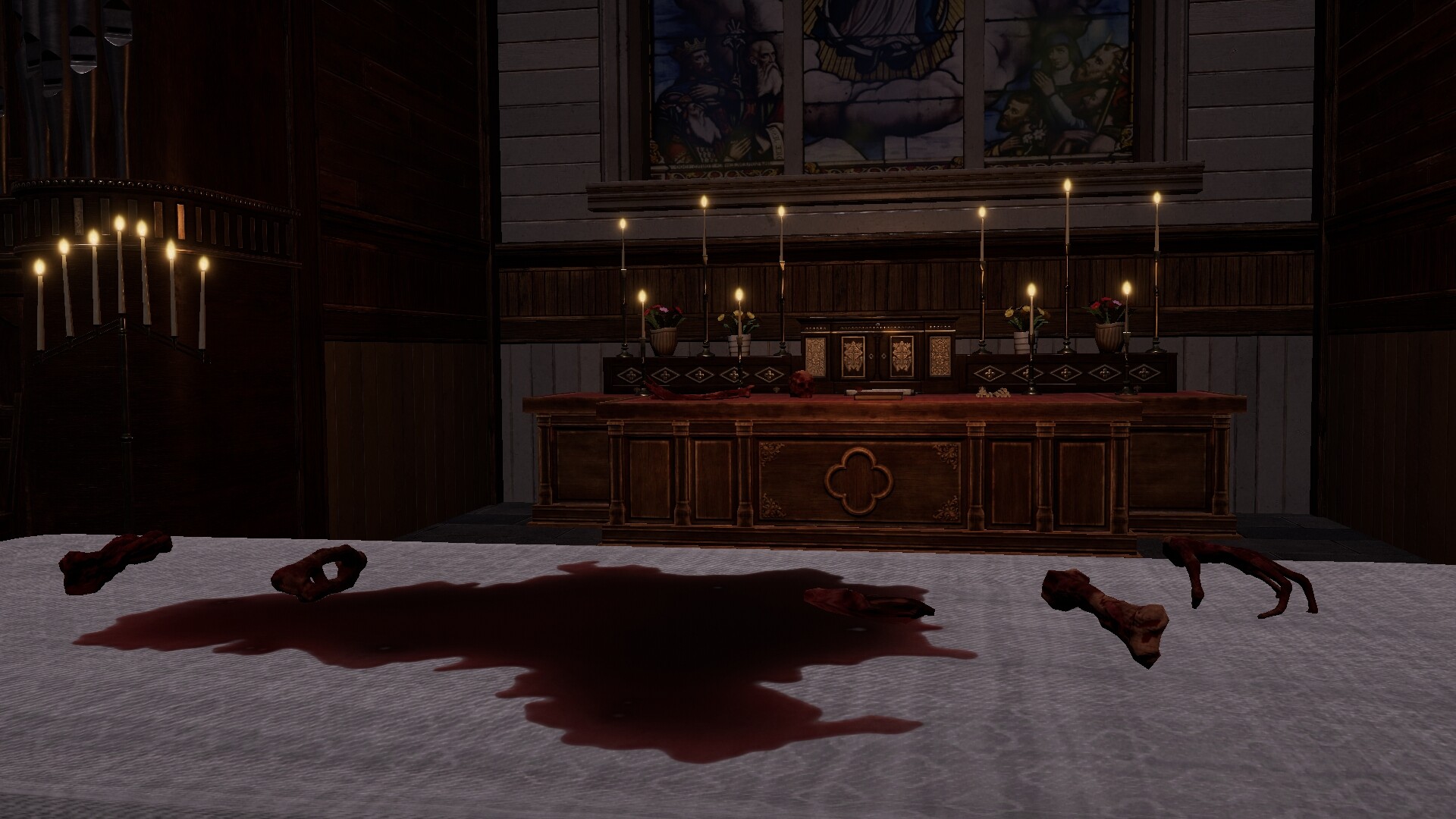
Officially, Trace of the Villa follows protagonist Jin as he investigates a remote, decaying mansion after a lead about his missing sister. The estate shows signs of occupancy yet feels “erased”: rooms look mid-routine but lack names and histories. When Jin restores power, secured systems, hidden compartments, and safes reveal fragments — manifests, suspicious transfer records, and encrypted documents — that form a chain of clues implying a larger operation behind the property. That premise frames a pattern of environmental reading and object-focused puzzle-solving rather than combat-first gameplay.
When and where it’s available
Trace of the Villa released on 28 May, 2026 and is available on Steam for PC. The Steam store page lists Steadyturtle Co., Ltd. as both developer and publisher. If you want to wishlist or check specs, use the Steam link provided below.
Why the theme matters — locked-room thinking and clue chains
The mansion setting deliberately encourages “locked-room” reasoning: a contained environment whose contradictions and absent records are themselves clues. The official description emphasizes erased identities, falsified records, and tightly controlled movements — elements that reward players who read context (missing photos, sealed doors, returned power states) and treat every object as potential evidence. That makes object logic — understanding how physical pieces interlock, how a revealed document modifies the meaning of an inscription, how powering a circuit changes what’s accessible — central to both narrative and puzzle progression.
How you read clues and progress
- Inspection first: the game foregrounds careful looking. Personal effects are meaningful precisely because names and histories are absent; the absence itself is a cue.
- Restore systems to reveal layers: the official description explicitly states that restoring power brings systems back online and unlocks hidden compartments — so progress often depends on toggling estate systems, not just moving a single item.
- Chain fragments into meaning: safes, encrypted documents, and manifests yield partial data that must be combined to form a timeline and point to the next location or mechanism.
- Pacing is investigative rather than reflexive: Steam categories include “Playable without Timed Input,” supporting a read-and-think approach over timed trials.
Specific player scenarios — decide if it fits you
- You like slow-burn mansion mysteries where each unlocked drawer or restored terminal changes how you read a room — wishlist this if that appeals.
- You enjoy puzzles anchored in physical objects and documents rather than abstract logic grids — this game leans into object logic and environmental storytelling.
- You prefer single-player, non-competitive experiences with accessibility options (subtitles, color alternatives, custom volume) — the Steam page lists those features.
- You want a narrative that unfolds via discovery and forensic reconstruction (manifests, transfer records, encrypted fragments) rather than exposition-heavy cutscenes — Trace of the Villa emphasizes item-driven revelation.
How it compares to nearby mystery/puzzle games
Below is a focused editorial comparison on lawful criteria: genre, atmosphere, puzzle focus, exploration style, and pacing. These are intended to help readers match preferences rather than declare superiority.
Leave a Reply