
Trace of the Villa — reading clues, object logic, and story puzzles without spoiling the mystery
Trace of the Villa (Steadyturtle Co., Ltd.) is a slow-burn mansion mystery that puts Jin — a man searching for his missing sister — into a decaying estate where recovered manifests, encrypted fragments, and locked systems slowly reveal a larger, concealed operation. Its puzzles are designed to disclose evidence and timeline fragments through environmental interaction and object logic, not by handing players a finished explanation.

Quick facts
| Title | Trace of the Villa |
|---|---|
| Developer / Publisher | Steadyturtle Co., Ltd. |
| Release date | 28 May, 2026 |
| Genres | Action, Adventure, Indie |
| Steam categories | Single-player; Color Alternatives; Custom Volume Controls; Playable without Timed Input; Subtitle Options; Family Sharing |
| Steam page | Trace of the Villa on Steam |
| AppID | 3483660 |
Who should wishlist it
If you prefer atmospheric mystery adventure and environmental storytelling over combat-driven spectacle, Trace of the Villa targets players who enjoy piecing together fragmented narratives from physical clues. Fans of clue-driven exploration who like methodical pacing — slowly restoring power, finding hidden compartments, decrypting documents and following financial or identity trails — will find this setup appealing. The official materials position the game around investigation and uncovering evidence rather than action set-pieces, so players seeking psychological investigation and story-rich adventure are the best fit.
What the game is, in practice
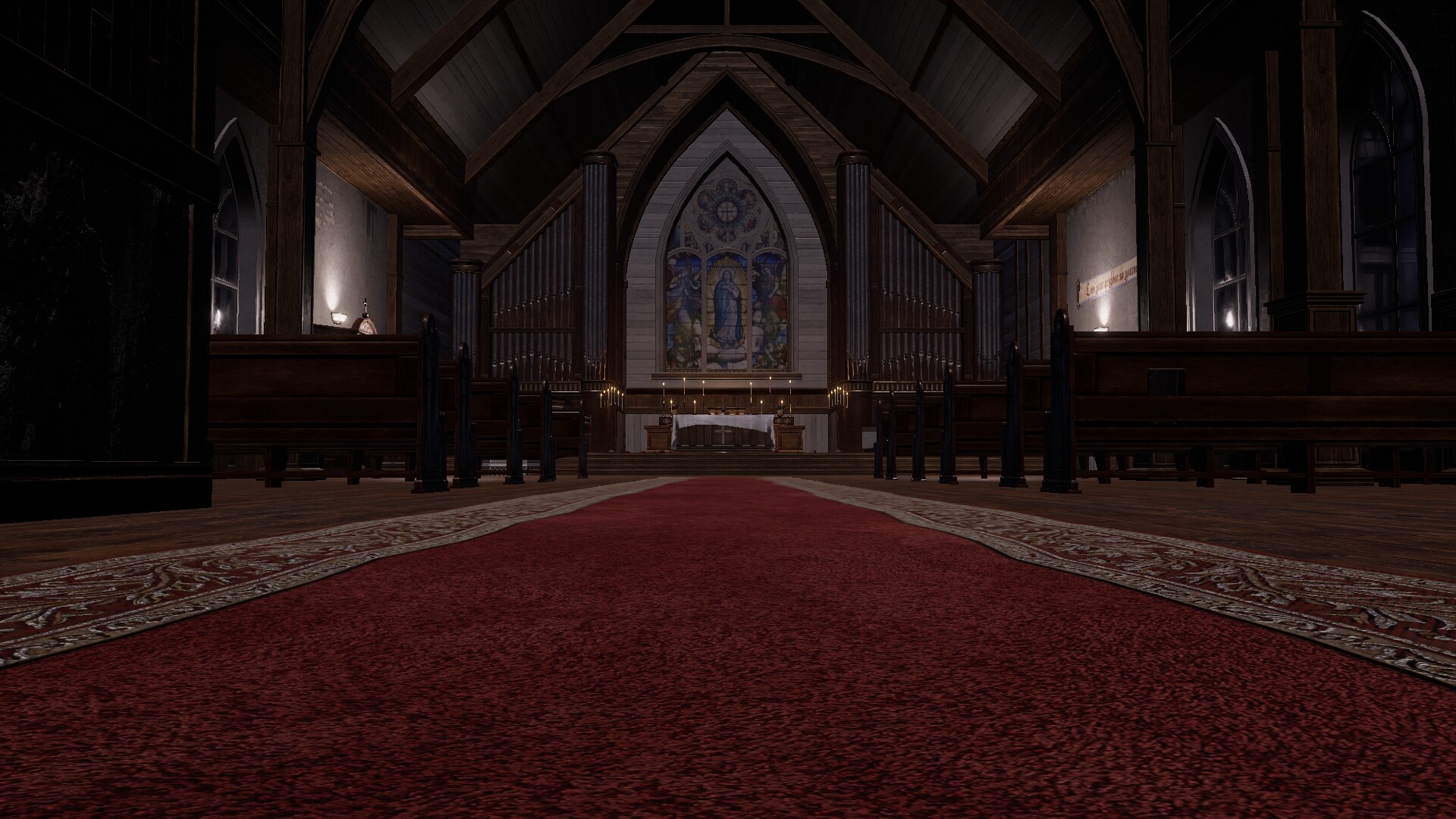
According to the official Steam description, Jin follows a lead to a remote, deliberately forgotten mansion where rooms feel “erased” rather than simply abandoned. Gameplay pivots on restoring estate systems, unlocking safes and compartments, and examining manifests and transfer records that point at falsified identities and arrivals/departures without paperwork. Those mechanics make the puzzles themselves the narrative engine: every lock opened or file decoded yields a piece of evidence, not a summary of the plot.
When and where
Trace of the Villa released on Steam on 28 May, 2026. It is presented as a PC Steam release by Steadyturtle Co., Ltd., listed under Action / Adventure / Indie and categorized with accessibility and comfort options such as subtitle options and controls for timed input.
Why this approach to puzzles matters
Games that use object logic and clue reading to reveal evidence change the player’s relationship to the story. Rather than watching story beats unfold passively, you reconstruct events from artifacts — manifests, encrypted documents, suspicious transfer records — and that reconstruction preserves ambiguity while guiding you to plausible conclusions. Trace of the Villa appears to lean into that investigative tension: evidence accumulates in steps that reward attention, not rote puzzle-solving. That creates a narrative rhythm where discovery feels earned and interpretations remain in the player’s hands.
How the game reveals story without spoiling it
- Gradual systems restoration: Restoring power and reactivating systems is used to gate information, so each newly powered device or unlocked panel adds context but not instant exposition.
- Object logic and manifests: Physical documents and manifests are treated as primary evidence. They present fragments — dates, transfer records, encrypted notes — that require assembling into a timeline rather than delivering a summarised explanation.
- Hidden compartments and safes: Secured spaces yield fragments (encrypted documents, suspicious transfers) that are clues, not conclusions. Players must interpret what those fragments imply.
- Atmospheric absence: The mansion’s lack of photographs and names is itself a recurring clue; the design communicates erasure as a theme without converting that into spoilers.
Player scenarios — who will enjoy which parts
- Slow, investigative players: If you like methodically tracing a timeline from documents, unlocking small reveals that change your hypotheses, this is aimed at you.
- Explorers of atmosphere: Players who value mood and a creeping sense of unsettlement — rooms staged as if occupants vanished mid-routine — will appreciate the environmental storytelling.
- Puzzle-first players: If you gravitate to object puzzles that also double as narrative beats (decrypting a file that shifts who you suspect), the game’s design aligns with that playstyle.
- Players who dislike spoilery summaries: If you want story evidence to emerge through play rather than through cinematic exposition, Trace of the Villa’s approach should feel satisfying.
How it compares to nearby puzzle-adventure experiences
The following comparison is a focused editorial look at genre, atmosphere, puzzle focus, exploration style, story tone and pacing — intended to help readers decide if Trace of the Villa matches their tastes.
| Title | Genre / Release | Puzzle focus | Atmosphere & exploration | Story tone & pacing | Good for |
|---|---|---|---|---|---|
| Trace of the Villa | Action / Adventure / Indie — 28 May, 2026 | Object logic, document fragments, restored systems, safes | Decaying mansion; environmental erasure and staged rooms; investigative exploration | Slow-burn, clue-led; narrative revealed through evidence | Players who want evidence-first mysteries and atmospheric investigation |
| The Room | Adventure / Indie — 28 Jul, 2014 | Mechanical puzzle boxes and tactile object puzzles | Closed-room, tactile, focused on intimate mechanical interaction | Isolated, mystery-through-puzzle — compact and focused | Players who like handcrafted mechanical puzzles and tight, enigmatic settings |
| The Room Two | Adventure / Indie — 5 Jul, 2016 | Expanded mechanical puzzles across multiple connected environments | Broader locales than the original but still puzzle-centric and atmospheric | Maintains slow, puzzle-first pacing with escalating mystery | Players who enjoyed The Room and want a wider scope of sensory puzzles |
| Escape Simulator | Adventure / Indie / Simulation — 19 Oct, 2021 | Highly interactive escape-room puzzles; physics and item interaction | Bright, varied rooms; emphasis on object interactivity and community-made levels | Pacing varies by room; often puzzle-first and playful | Players who like hands-on, highly interactive rooms and co-op/community content |
| Unpacking | Casual / Indie / Simulation — 1 Nov, 2021 | Puzzle as domestic placement; clues embedded in belongings | Calm, observational, slice-of-life environmental storytelling | Zen and reflective; narrative implied through objects and placement | Players who prefer gentle, interpretive storytelling from everyday items |
Screenshots and visual tone

YouTube discovery
For trailers and gameplay clips, search YouTube directly: Trace of the Villa trailer & gameplay search. (Use this search path as a discovery tool; I haven’t linked a specific official video here.)
Final decision guide — should you wishlist it?
Wishlist Trace of the Villa if you prioritize investigative pacing, environmental storytelling, and puzzle systems that feed the narrative through evidence rather than exposition. If you prefer puzzle boxes or highly kinetic escape rooms, consider whether you want a slower, mood-driven
Leave a Reply