Trace of the Villa — when locked-room logic meets slow-burn clue chains
Trace of the Villa puts you in Jin’s shoes as he follows fragmented manifests and cryptic hints through a cut-off, decaying mansion — an atmospheric mystery adventure that prizes environmental reading and chained, object-driven puzzles. Released on 28 May, 2026 by Steadyturtle Co., Ltd., it marries investigation-focused exploration with a narrative that unfolds as you restore power, unlock hidden compartments, and follow financial and identity traces left behind.

Quick facts
| Title | Trace of the Villa |
|---|---|
| Steam appid | 3483660 |
| Release date | 28 May, 2026 |
| Developer / Publisher | Steadyturtle Co., Ltd. |
| Genres | Action, Adventure, Indie |
| Categories | Single-player; Color Alternatives; Custom Volume Controls; Playable without Timed Input; Subtitle Options; Family Sharing |
| One-line premise | Jin searches a remote, decaying mansion where recovered manifests and hints suggest his missing sister may still be alive. |
Who should wishlist this
If you prefer story-rich adventure with a slow-burn, investigative tempo — players who enjoy reading environments, assembling object clues into logical chains, and solving layered puzzles that unlock narrative fragments will find the core appeal. The game targets solo PC players who want atmospheric mystery, environmental storytelling, and puzzle-chain momentum rather than twitch action or multiplayer cooperation. The Steam listing also highlights accessibility options like subtitle support and custom volume controls, useful for players who favour a measured, readable experience.
What Trace of the Villa is (and how it plays)
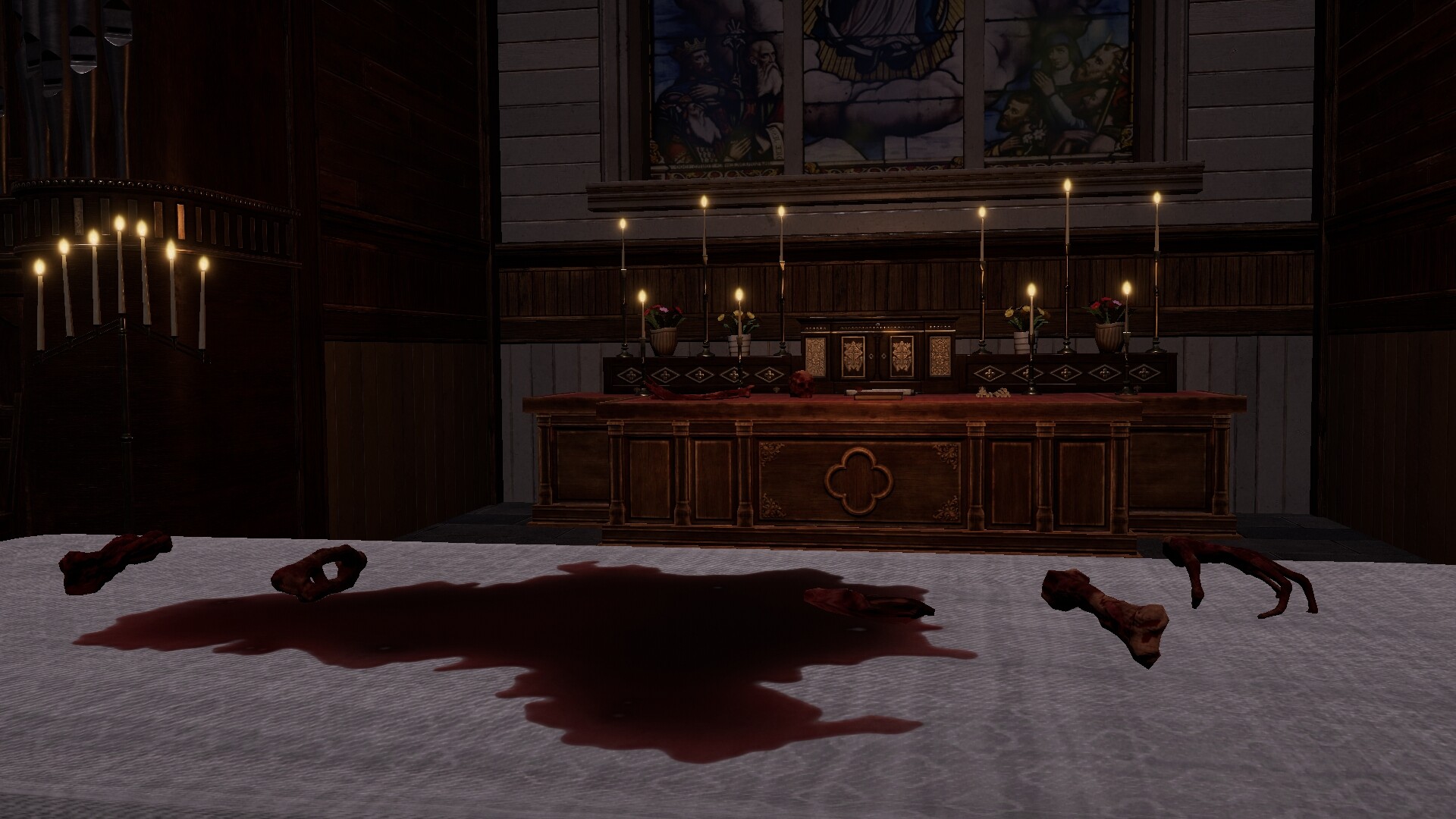
Trace of the Villa is structured around exploration and evidence recovery. The mansion’s rooms appear frozen mid-routine; locked doors and secured systems hold the next clue. Restoring power is a design beat that transforms passive discovery into an active puzzle loop: systems come online, hidden compartments reveal fragments of encrypted documents and suspicious transfer records, and each solved cipher or unlocked safe advances both the plot and the available tools for the next set of puzzles.

When and where (Steam / PC context)
Trace of the Villa is available on Steam from 28 May, 2026. The Steam page lists it as Action / Adventure / Indie and marks it for single-player with options such as color alternatives, subtitle support, and no requirement for timed input — all signals for a considered, accessibility-friendly single-player experience on PC.
Why the mansion setup matters
Locked-room thinking is a narrative and mechanical compact: a bounded space encourages careful observation and gives weight to each object you inspect. In Trace of the Villa, the mansion’s deliberate erasure of identity — no names, few photographs, falsified records — makes environmental clues the primary storytellers. The game uses locked doors and secured systems not as arbitrary gates but as narrative seams: each solved lock yields context, which in turn reframes previously ignored details and fuels puzzle-chain momentum.
How clue chains and environmental reading drive progression
Expect puzzles to cascade. An item discovered in one room (a manifest, a transfer slip, an encrypted fragment) points to a system that only becomes solvable after power or tools are restored, which itself requires decoding evidence from another area. That chaining encourages a detective rhythm: note, hypothesize, test the theory on the environment, and then circle back as new evidence shifts your hypothesis. The Steam description explicitly mentions secured systems, encrypted documents, and falsified identities — all classic hooks for progressive puzzle networks that reward meticulous players.
Player scenarios — which playstyles fit best
- The Methodical Sleuth: You catalogue details, cross-reference manifests and transfer records, and enjoy the patience of slow revelation. The mansion’s layered secrets suit your pace.
- The Environmental Reader: You value texture and mise-en-scène; missing photographs and everyday items tell the story as much as text logs. You’ll use context as a primary tool.
- The Narrative-First Explorer: You play to understand Jin’s personal stake and how the estate ties into a larger, shadowed operation. Puzzle solutions that unlock story beats will satisfy your curiosity.
Comparison — how it sits near other mystery/puzzle games
| Title | Primary puzzle focus | Atmosphere / story tone | Player fit |
|---|---|---|---|
| The Room | Mechanical safes and tactile, object-centric puzzles | Claustrophobic mystery with singular, relic-driven curiosity | Players who prefer tightly focused, tactile puzzle boxes |
| The Room Two | Expanded object puzzles with serial, layered mechanisms | Cryptic, atmospheric exploration that builds on the first game’s tone | Players who enjoyed the first game’s puzzle escalation and lore teasing |
| Escape Simulator | Highly interactive rooms, physics and object manipulation | Lighter, community-driven escape-room variety (co-op options available) | Players seeking high interactivity, custom rooms, and multiplayer puzzles |
| Trace of the Villa | Environmental clue chains, secured systems, narrative-linked puzzles | Slow-burn mansion mystery focused on erased identities and institutional secrecy | Solo players who want story-driven investigation and environmental storytelling |
Notes: comparisons above focus on genre, puzzle approach, atmosphere, and pacing as editorial discovery, not endorsements.
YouTube discovery
For trailers and gameplay footage, search results can be found here: Trace of the Villa trailer & gameplay on YouTube. This link is a YouTube search path; videos returned may be developer-released trailers, previews, or player captures — confirm official sources on the Steam page if an official trailer is required.
Call to action
If Trace of the Villa’s combination of environmental storytelling, locked-room logic, and chained puzzles appeals to you, consider visiting the Steam page and adding it to your wishlist: Trace of the Villa on Steam
Editorial disclaimer
Referenced titles and trademarks belong to their respective owners. Comparisons are editorial discovery only, drawing on genre, atmosphere, puzzle focus, exploration style, tone, and pacing.
Leave a Reply