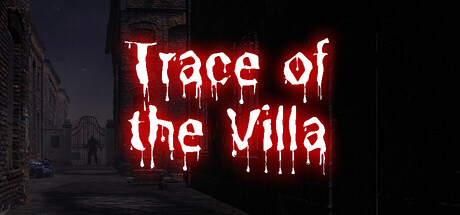
Trace of the Villa — a premise-first guide for players who want story context without spoilers
Trace of the Villa puts its narrative up front: you play as Jin, a seeker whose long hunt for a missing sister leads to a decaying, off-grid mansion filled with erased identities and layered clues. This guide explains who the game will appeal to, what the premise actually promises, where and when you can find it, why the mansion setting matters, and how the game expects you to read and follow its breadcrumb trail—without revealing plot beats.

Quick facts
| Title | Trace of the Villa |
|---|---|
| Developer / Publisher | Steadyturtle Co., Ltd. |
| Release date | 28 May, 2026 |
| Genres | Action, Adventure, Indie |
| Steam categories | Single-player; Color Alternatives; Custom Volume Controls; Playable without Timed Input; Subtitle Options; Family Sharing |
| Steam AppID | 3483660 |
What the premise actually is
Officially, Jin has spent years searching for his missing sister. A fresh lead takes him to a remote mansion with no recent records and no names—rooms suggest occupancy yet identity markers have been stripped away. As Jin restores power, secured systems and hidden compartments begin to yield manifests, encrypted fragments, and suspicious transfer records that hint this house was part of a much larger, deliberate operation. That is the core engine: investigation through recovered evidence and incremental restoration of the estate’s systems and secrets.
Who this is for
- Players who prioritize narrative curiosity and environmental storytelling over combat spectacle.
- Fans of slow-burn, clue-driven exploration where puzzles unlock context rather than flashy set pieces.
- Those who enjoy psychological investigation and mansion mysteries that emphasize unease and unanswered questions.
- PC players who prefer single-player experiences with accessibility options (subtitles, color alternatives, custom volume controls) and no mandatory timed inputs.
When / Where to play
Trace of the Villa is available on Steam; the release date is 28 May, 2026. The Steam store page lists the developer and publisher as Steadyturtle Co., Ltd. If you want to wishlist or check system details, use the Steam listing for the most current store information.
Why the theme matters: what “erased identities” buys the story
A mansion with rooms preserved but names removed is a deliberate narrative device: it creates a persistent epistemic gap. Instead of being told what happened, the player reconstructs an absence—financial trails, falsified identities, and sealed systems become the language the game uses to teach you the world. That framing encourages attention to small, indirect clues and rewards players who treat documents, unlocked terminals, and environmental oddities as primary storytelling tools.
How you progress—reading clues and following the trail
Progress in Trace of the Villa is driven by restoration and discovery rather than linear cutscenes. The official description notes that when Jin restores power, secured systems come back online and hidden compartments unlock. Expect a loop of:
- Discover an offline or sealed area (door, safe, terminal).
- Restore power or bypass a lock to activate a subsystem.
- Collect manifests, encrypted documents, transfer records, and physical traces.
- Use those artifacts to open the next sealed layer and update the timeline you’re assembling.
This approach favors players who enjoy piecing together partial evidence and using environmental context to form theories rather than being handed explicit exposition.

Player scenarios — who should wishlist it
- Investigative players: You like scanning notes, unlocking terminals, and forming theories from indirect evidence. Wishlist it if reconstructing timelines feels rewarding.
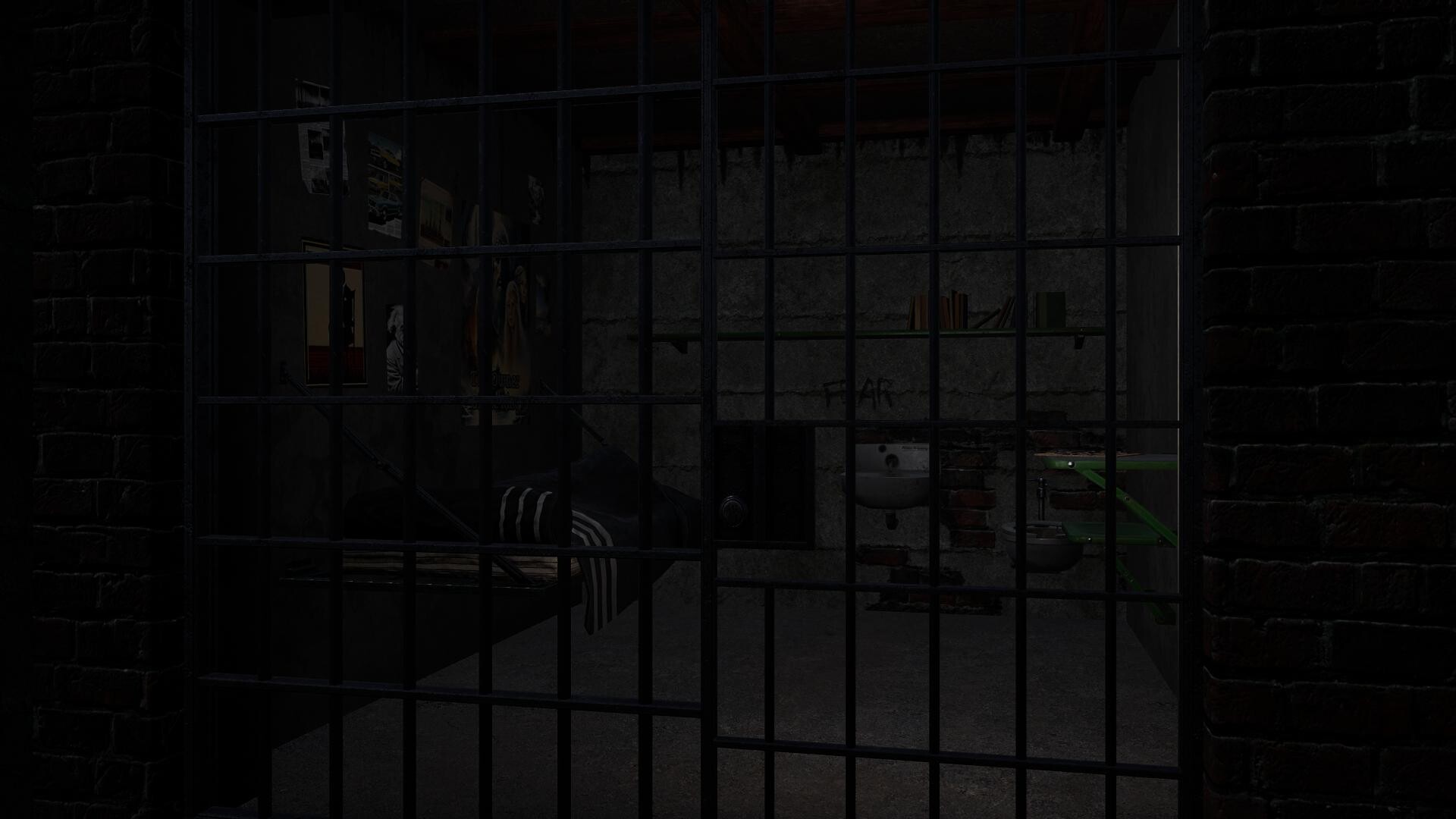
- Exploration-first players: You prefer atmosphere and slow-burn dread to jump scares. The mansion’s preserved rooms and returned systems will appeal to that taste.
- Puzzle-oriented narrativists: If you enjoy puzzles that reveal story fragments (safes, encrypted documents, environmental codes) this fits your playstyle.
- Accessibility-minded players: The Steam page lists subtitle options, color alternatives, custom volume, and no timed inputs—an important consideration if you prefer or need a less reflex-driven pace.
Comparison: where Trace of the Villa sits among story-driven mysteries
The following table compares Trace of the Villa with a few recent narrative or mystery-forward titles on editorial criteria: genre, atmosphere / story tone, puzzle focus, exploration style, and pacing. This is an editorial discovery to help you decide fit, not a claim of superiority.
| Title | Genre | Atmosphere / Story Tone | Puzzle / Investigation Focus | Exploration / Pacing |
|---|---|---|---|---|
| Trace of the Villa | Action / Adventure / Indie | Mansion mystery, erased identities, slow-burn psychological investigation | Clue-driven: restores systems, uncovers manifests and encrypted documents | Measured, exploration-led with emphasis on environmental storytelling |
| Inscryption | Adventure / Indie / Strategy | Inky, meta-horror with a card-driven framing | Puzzles embedded in deck-building and escape-room segments | Punchy segments with escalating revelations and meta layers |
| Outer Wilds | Action / Adventure | Curious, cosmic mystery about a trapped solar system | Exploratory puzzles, observational problem solving across locations | Open, discovery-first with deliberate player-led pacing |
| The Medium | Adventure | Psychological horror; dual-reality exploration and atmosphere | Puzzle solving across overlapping realms, narrative beats drive progression | Steady pacing with scripted moments of tension and revelation |
| The Forgotten City | Adventure / Indie / RPG | Philosophical, puzzle-led mystery with time-loop mechanics | Dialogue and time-based puzzles that alter outcomes | Focused narrative loops with player experiments shaping progress |
How Trace of the Villa differs from nearby choices
- Compared to Inscryption: Expect less meta and card mechanics; Trace emphasizes environmental artifacts and restored systems as core investigative engines.
- Compared to Outer Wilds: Outer Wilds is open-world and cosmic in scale; Trace is claustrophobic and mansion-centered, with puzzles that tend to reveal institutional secrets rather than planetary mechanics.
- Compared to The Medium: Both cultivate psychological unease, but Trace’s focus is less on dual-reality traversal and more on evidence-gathering and financial/administrative traces.
Steam page
View Trace of the Villa on Steam
YouTube discovery
For trailer and gameplay discovery, use YouTube search rather than relying on unverified embeds: Find Trace of the Villa trailer and gameplay searches on YouTube.
Leave a Reply