Trace of the Villa — Why Quiet Dread and Uncertainty Matter More Than Loud Shock Claims
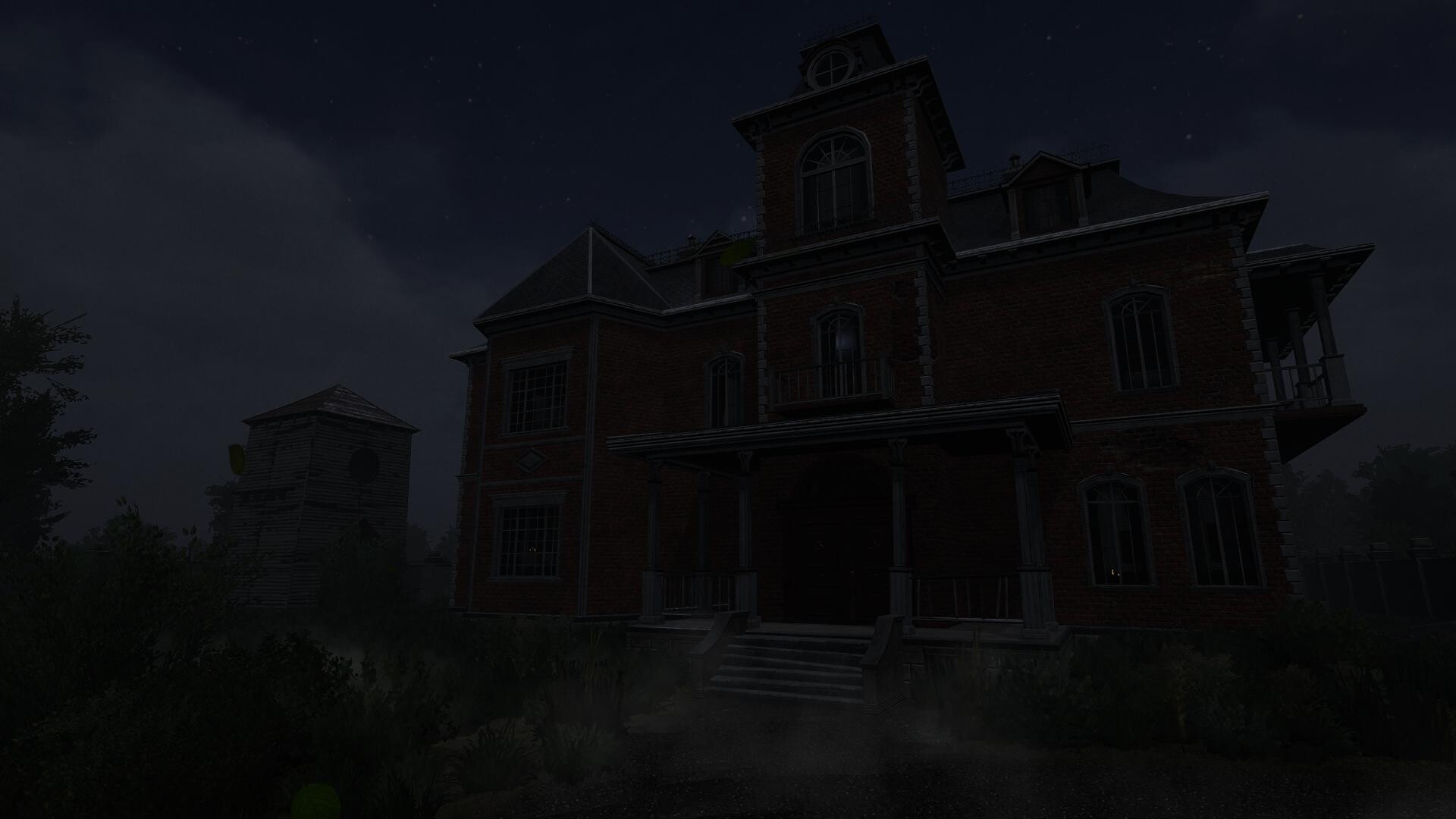
Trace of the Villa trades instant jolts for a slow, compressing atmosphere: you step into a mansion that feels less abandoned than deliberately erased, and every unlit corridor seems to hold a withheld explanation. The game’s power comes from uncertainty — not the sudden scream, but the steady accumulation of small, uncanny absences that make you read a room the way you read a suspect’s face.

Who this is for
Trace of the Villa (developer/publisher: Steadyturtle Co., Ltd.) is aimed at players who prefer slow-burn suspense and environmental storytelling over non-stop action. If you enjoy atmospheric mystery adventure, psychological investigation, and puzzle-driven exploration where context is gathered from manifests, locked rooms and restored systems, this is a fit.
What the game is
Trace of the Villa is a story-rich PC mystery adventure centered on Jin, who has spent years searching for his missing sister. A lead brings him to a remote, decaying mansion where traces — manifests, encrypted documents and suspicious transfer records — suggest a larger, concealed operation and the possibility that his sister may still be alive. The mansion’s lived-in-but-erased details are the engine of its tension: personal items left in a hurry, locked doors, and systems that only reveal their data when power is restored.
| Title | Trace of the Villa |
|---|---|
| Release date | 28 May, 2026 |
| Developer / Publisher | Steadyturtle Co., Ltd. |
| Genres | Action · Adventure · Indie |
| Categories | Single-player; Color Alternatives; Custom Volume Controls; Playable without Timed Input; Subtitle Options; Family Sharing |
| Steam page | Trace of the Villa on Steam |
When and where — Steam context
Trace of the Villa launched on Steam on 28 May, 2026. The Steam store listing emphasizes single-player exploration and a variety of accessibility and control options (color alternatives, custom volume, subtitle options, and the ability to play without timed inputs), which signals the developer’s intent to let players absorb the setting at their own pace.
Why quiet tension and uncertainty matter here
Psychological dread often works best when it corrodes your assumptions rather than shocking you into a reaction. In Trace of the Villa the mansion’s “erased” quality — rooms set mid-routine, no photographs, falsified identities — produces an ongoing cognitive dissonance: objects insist people were here, but nothing anchors them to a recognizable life. That mismatch keeps players interpreting clues, imagining scenarios and continually revising who might be responsible and where Jin’s sister might fit in the timeline. The result is tension that accumulates like dust: granular, persistent, and hard to ignore.
How you progress — clue reading, systems and pacing
Progress is less about twitch reflexes and more about piecing together disparate evidence. Jin restores power to the estate; secured systems come back online, hidden compartments unlock, and safes reveal fragments of encrypted documents and suspicious transfer records. Each puzzle you solve peels back a layer of the operation that used the mansion: financial trails that lead nowhere, falsified identities, and patterns of arrivals and departures without witnesses. The gameplay loop privileges observation, inventory-backed puzzle solving, and logical inference over combat or timed sequences.

Player scenarios — who should wishlist it
- If you want slow-burn mystery: You prefer exploration, reading documents and reconstructing timelines rather than action-first horror.
- If you care about environmental storytelling: You enjoy games where the world does the narrative heavy lifting — rooms, objects and systems tell the story more than cutscenes.
- If you dislike timed reflex challenges: The availability of “playable without timed input” suggests a comfortable pace for observational players.
- If you want some mechanical variety: The mix of restoring power, unlocking compartments, and decoding records combines light systems work with narrative puzzle design.
- If you expect jump scares and constant action: This is likely not targeted at you — the tension is built around uncertainty and withheld information rather than frequent shocks.
How it compares — an editorial table
| Title | Genre / Core focus | Atmosphere / Tone | Puzzle / Exploration emphasis | Pacing / Player fit |
|---|---|---|---|---|
| Trace of the Villa | Action · Adventure · Indie — mystery-driven | Decaying, erased mansion; quiet dread and methodical discovery | Clue-driven: restore systems, decrypt documents, unlock compartments | Slow-burn; for observational and investigative players |
| Amnesia: The Dark Descent | Action · Adventure · Indie — survival horror | Claustrophobic body-horror and dread; immersive nightmare | Environment and sanity mechanics, puzzle-based but survival-focused | Intense immersion and dread; players who want existential terror |
| SOMA | Action · Adventure · Indie — sci-fi horror | Bleak, philosophical tone under the sea; questions identity | Exploration and narrative puzzles blended with philosophical narrative | Pacing favors reflection and narrative weight over quick scares |
| Layers of Fear | Adventure · Indie — psychological horror | Unstable, surreal mansion; artistic obsession and madness | Changing environments with puzzle and storytelling focus | Slow and atmospheric; leans into psychological shifts and set pieces |
| Poppy Playtime | Action · Adventure · Indie — horror/puzzle | Playful-but-unnerving factory; tense encounters with antagonists | Puzzle gadgets and tools (GrabPack) with more active evasion elements | More balance of action and puzzle; players who like a mix of tension and gadgets |
YouTube discovery
YouTube discovery
For trailer and gameplay discovery, use YouTube search rather than relying on unverified embeds: Find Trace of the Villa trailer and gameplay searches on YouTube.
Leave a Reply