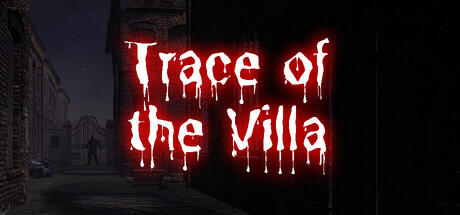
Trace of the Villa — how clue reading, object logic, and story puzzles shape the mansion mystery
Trace of the Villa is a story-led mystery adventure that centers on Jin’s search for his missing sister inside a remote, decaying mansion. Its design leans on environmental storytelling, recovered manifests and secured systems that reveal a layered conspiracy as you solve puzzles and read clues.
What Trace of the Villa is
Official premise: “Jin has spent years searching for his missing sister, pursuing leads that took him to a remote, decaying mansion where he recovered manifests and hints that indicate his sister may still be alive, somewhere at the end of the trail he is about to follow.” The game released on 28 May, 2026 and lists Steadyturtle Co., Ltd. as both developer and publisher. Steam tags/genres include Action, Adventure, Indie and it is presented as a single-player, subtitle-friendly title with color alternatives and other accessibility options.

Who it’s for
- Players who prefer slow-burn, atmospheric mystery adventures driven by reading clues and context rather than fast combat.
- Puzzle and narrative players who enjoy object logic—examining belongings, manifests and systems to infer what happened.
- Fans of environmental storytelling and psychological investigation in isolated settings (mansion mysteries, estate exploration).
- Single-player PC gamers who value subtitle options and accessibility features like color alternatives and custom volume controls.
When and where
Trace of the Villa released on Steam on 28 May, 2026. The store page and widget are available on Steam for PC players; use the Steam link below to visit the product page or add it to your wishlist.
Why the theme matters
The game frames its mystery around a personal quest—Jin’s search for his sister—so puzzles are rarely abstract. According to the official description, restoring power to the estate is a turning point: secured systems come back online, hidden compartments unlock, and safes yield fragments of encrypted documents and suspicious transfer records. That means the story and its puzzles are intertwined: every solved mechanical or inventory puzzle can surface narrative evidence that reframes earlier assumptions.
How you read clues and progress
Trace of the Villa favors clue-driven progression built on three interlocking design pillars:
- Clue reading: Manifests, transfer records and fragments of documents function as narrative breadcrumbs. The game uses these artifacts to point to missing identities and falsified histories.
- Object logic: Personal effects and furnished rooms act like case files—arranging, comparing and combining items reveals how spaces were used and why occupants disappeared mid-routine.
- Story puzzles: Many problems resolve by connecting environmental detail to narrative threads: powering systems can change room states, unlock new documents, or reveal access to areas that were previously sealed.
This blend emphasizes deduction: success depends on noticing small inconsistencies, assembling fragments into timelines, and using inventory/object interactions to open the next narrative door.
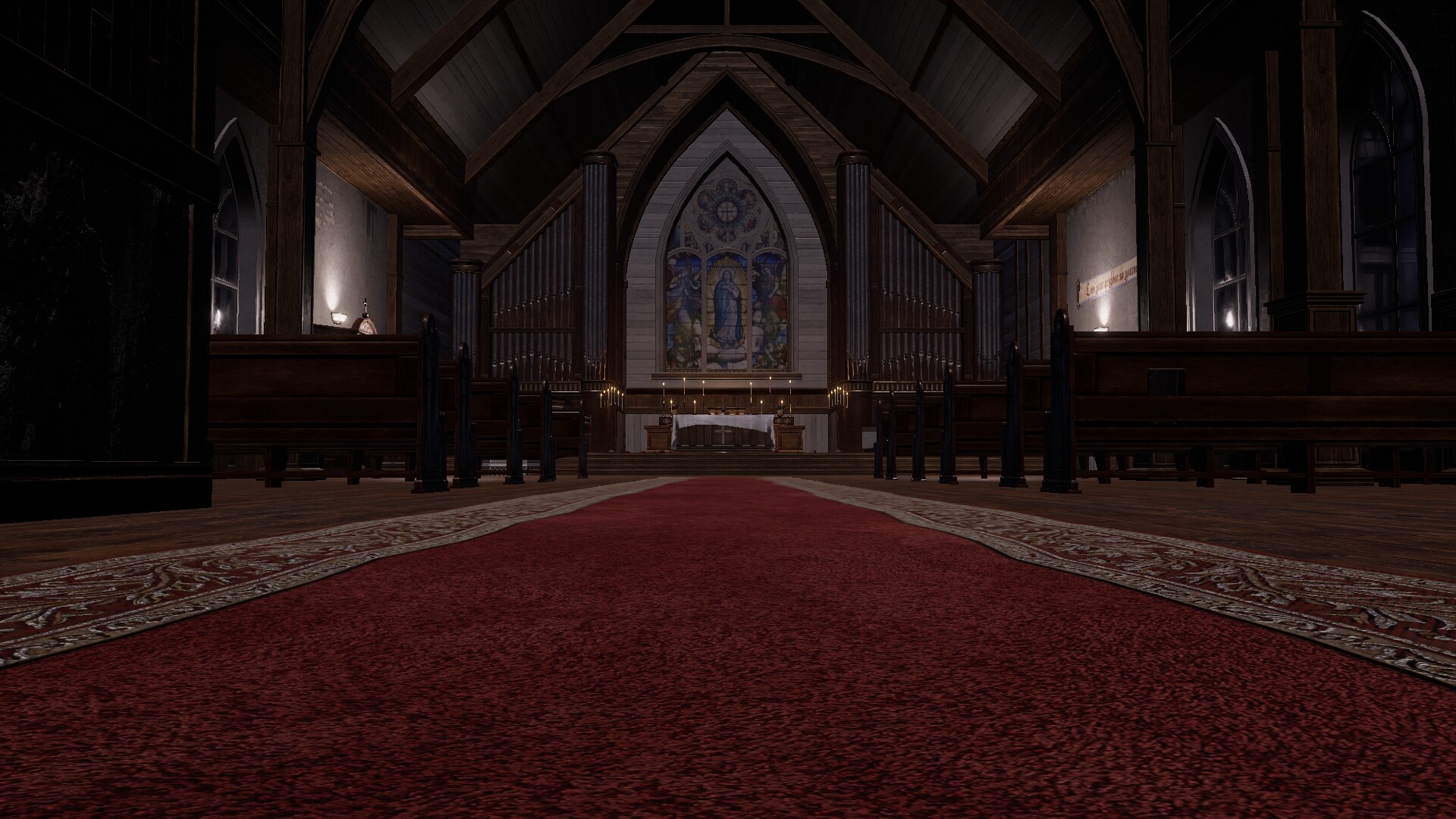

Player scenarios — would you fit?
Scenario: You like slow-burn investigation
If you prefer games where narrative reward arrives from careful reading and patience—finding documents, switching systems back on, and letting the estate reveal itself—Trace of the Villa aligns well with that preference.
Scenario: You value tight object puzzles and logical chaining
Players who enjoy object logic—using items in the environment to trigger state changes, and who take satisfaction from linking fragments of evidence into a coherent timeline—should find the progression satisfying.
Scenario: You want fast action or competitive multiplayer
Trace of the Villa is single-player and story-focused. If your main interest is PvP or high-octane action, this title is positioned more toward atmosphere, exploration and narrative puzzle design than multiplayer combat.
How it compares — editorial discovery
| Title | Genre / Tone | Puzzle focus | Exploration style | Player fit |
|---|---|---|---|---|
| Trace of the Villa | Action / Adventure / Indie — mansion mystery, slow-burn suspense | Clue-driven, object logic, story puzzles revealed via systems and documents | Single-player estate exploration, environmental storytelling, sealed areas opened by restoring power | Players who like narrative puzzle adventures and investigative atmospheres |
| The Room | Adventure / Indie — tactile puzzle curiosity box | Mechanical puzzles focused on single-object investigation and safe-like devices | Contained, room-by-room puzzle progression with focused set pieces | Players who enjoy dense, tactile object puzzles and intimate puzzle boxes |
| Escape Simulator | Adventure / Casual / Indie — interactive escape rooms | Highly interactive object manipulation, physics-forward puzzle solving | Room-based, emergent puzzle space with strong interactivity (solo or co-op) | Players who want physics interaction, item manipulation and room-scale puzzles |
| Unpacking | Casual / Indie / Simulation — zen, domestic narrative | Spatial, object-placement puzzles that reveal life stories | Low-pressure, slice-of-life exploration through items rather than unlocking sealed areas | Players who prefer quiet, interpretive storytelling through possessions and layout |
These comparisons are editorial discovery only, oriented around genre, atmosphere, puzzle focus and player fit rather than claims of superiority.
Compact facts
| Title | Trace of the Villa |
|---|---|
| Steam page
View Trace of the Villa on Steam YouTube discoveryFor trailer and gameplay discovery, use YouTube search rather than relying on unverified embeds: Find Trace of the Villa trailer and gameplay searches on YouTube. CommentsMore posts |
Leave a Reply