
Trace of the Villa: a premise-first guide for players chasing a hidden backstory

Trace of the Villa drops you into an investigative premise: Jin has spent years hunting for his missing sister and a lead points to a remote, decaying mansion where manifests and hints suggest she might still be alive. The game foregrounds clue-driven exploration and slow-burn suspense as you restore systems, unlock hidden compartments, and piece together a deliberately obscured timeline.
Who this guide is for
If you care most about narrative curiosity and buried backstory rather than action spectacle, this is for you. Trace of the Villa will appeal to players who prize atmospheric mystery adventure, environmental storytelling, and puzzle design that rewards careful reading of documents, logs, and restored systems.
What Trace of the Villa is (exact facts)
| Title | Trace of the Villa |
|---|---|
| Developer / Publisher | Steadyturtle Co., Ltd. |
| Release date | 28 May, 2026 |
| Genres | Action, Adventure, Indie |
| Steam categories | Single-player; Color Alternatives; Custom Volume Controls; Playable without Timed Input; Subtitle Options; Family Sharing |
| Official short premise | Jin has spent years searching for his missing sister, pursuing leads that took him to a remote, decaying mansion where he recovered manifests and hints that indicate his sister may still be alive. |
| Steam AppID | 3483660 |
When and where (Steam / PC context)
Trace of the Villa is available on Steam with a release date of 28 May, 2026. It is listed as an Action / Adventure / Indie title on the Steam store and carries single-player and accessibility categories such as subtitle options and color alternatives.
Why the mansion premise matters
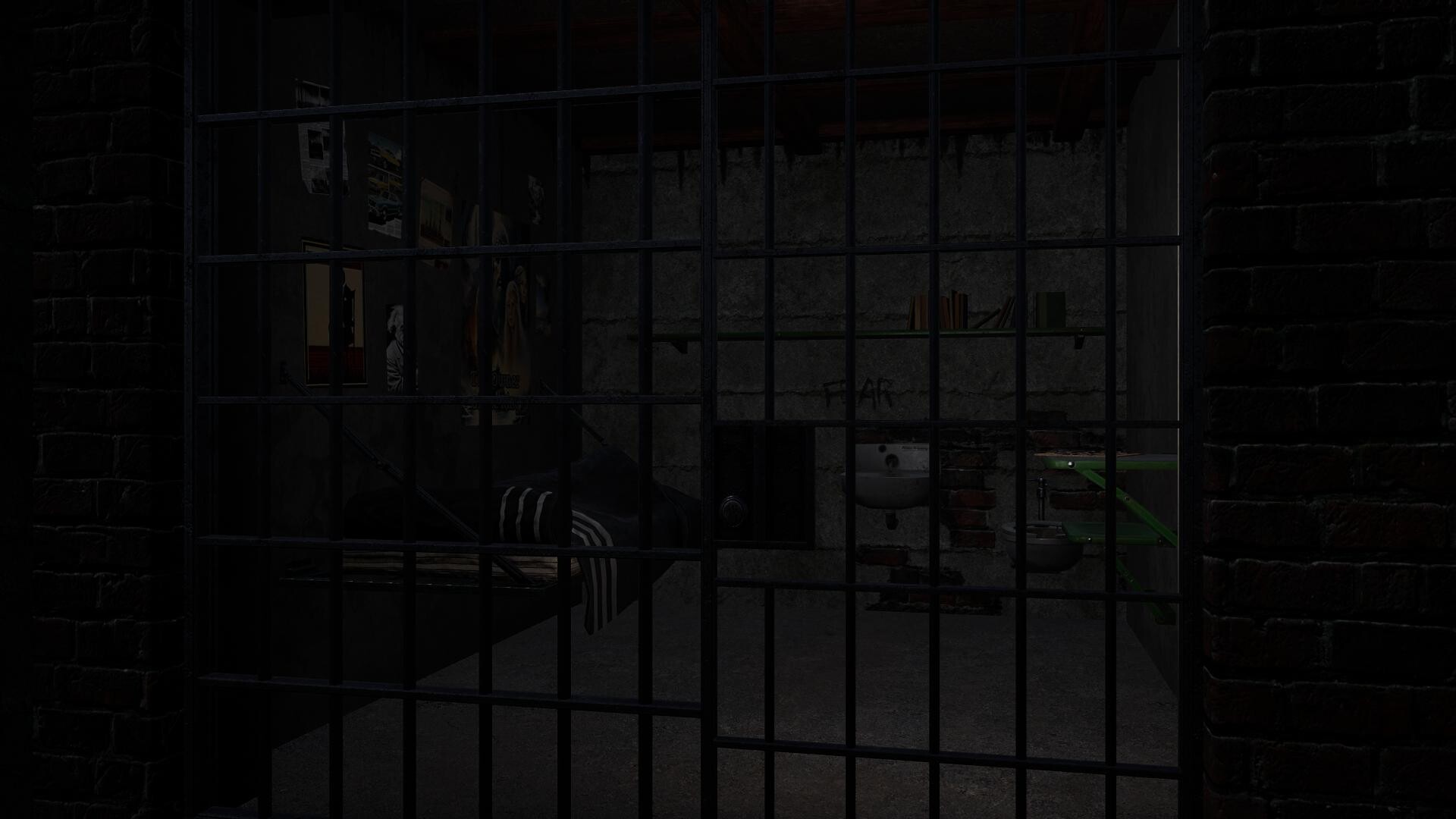
The official description frames the mansion as less abandoned than erased: rooms furnished as if occupants vanished mid-routine, missing photographs and names, and secured systems that reveal a carefully concealed operation when power is restored. That setup signals two things for players focused on story: (1) the narrative is driven by discovery—restoring power, opening safes, decrypting fragments—and (2) the mystery is institutional as much as personal, with financial trails, falsified identities, and controlled movements hinted at in the official text.
How you uncover the story (gameplay through the premise)
According to the official description, progress is tied to investigative beats. Jin restores power to the estate, bringing secured systems back online; hidden compartments and safes produce encrypted documents and transfer records; and solving puzzles reveals additional timeline fragments. In practice expect environmental storytelling and clue-driven exploration: read manifests and recovered items, reactivate systems, and follow layered leads that trace arrivals and departures masked by falsified records.

Player scenarios — who should wishlist it
- Document hunters: you want to read manifests, decrypt fragments, and reconstruct timelines from found items.
- Slow-burn mystery players: you prefer atmosphere and staged reveals over constant action; the mansion’s “erased” feel promises layered discoveries.
- Puzzle explorers who like environmental solutions: systems that come back online and hidden compartments suggest puzzles tied to the space rather than reflex tests.
- Accessibility-minded PC players: Steam categories list subtitle options, color alternatives, and “playable without timed input.”
How Trace of the Villa differs from nearby story-rich mystery games
Below is a practical comparison on lawful editorial criteria: genre, tone/atmosphere, puzzle and exploration focus, and pacing. These comparisons are meant to help you decide whether Trace of the Villa matches your narrative curiosity.
| Title | Genre(s) | Tone / Atmosphere | Puzzle & Exploration Focus | Pacing |
|---|---|---|---|---|
| Trace of the Villa | Action, Adventure, Indie | Decaying mansion; erased identities; personal investigation | Clue-driven exploration, restoring systems, decrypting documents | Slow-burn, investigative |
| Inscryption | Adventure, Indie, Strategy | Inky, psychological horror | Card-based puzzles blended with escape-room elements | Compressed, escalating mystery |
| Outer Wilds | Action, Adventure | Open-space, cosmic mystery | Exploration-driven learning across locations (time loop mechanic) | Exploratory, discovery-led (time loop reveals) |
| Journey | Adventure, Indie | Quiet, poetic exploration | Environmental traversal with emergent discovery | Deliberate, contemplative |
| The Forgotten City | Adventure, Indie, RPG | Philosophical, mystery set in ancient context | Dialogue and time-loop mechanics to solve moral puzzles | Layered, narrative puzzle pacing |
| The Medium | Adventure | Psychological horror; dual-realm atmosphere | Exploration and narrative puzzles tied to spirit/real-world interplay | Steady, atmospheric tension |
Quick read: five signals the game is for you
- You enjoy reconstructing people’s lives from fragments rather than being spoon-fed exposition.
- You want exploration that ties directly to narrative progress (power, safes, encrypted records).
- You prefer a solitary, single-player experience focused on atmosphere and slow reveals.
- You value accessibility options like subtitles and color alternatives on Steam.
- You like mysteries that suggest institutional cover-ups as much as personal stakes.
YouTube discovery
If you want to watch trailer or gameplay clips, use this YouTube search path (search results may include trailers and player footage): Search Trace of the Villa on YouTube.
View Trace of the Villa on Steam
Disclaimer: referenced titles and trademarks belong to their respective owners; comparisons above are editorial discovery only and not endorsements.