
Who should consider Trace of the Villa after enjoying atmospheric mystery adventures
Trace of the Villa (Steadyturtle Co., Ltd., released 28 May, 2026) sets a slow, forensic pace inside a remote, decaying mansion as protagonist Jin follows clues that may lead to his missing sister. If you prefer environmental storytelling, clue-driven exploration, and methodical puzzle work over jump scares, this Steam indie is tailored to that investigative mood.

What Trace of the Villa is
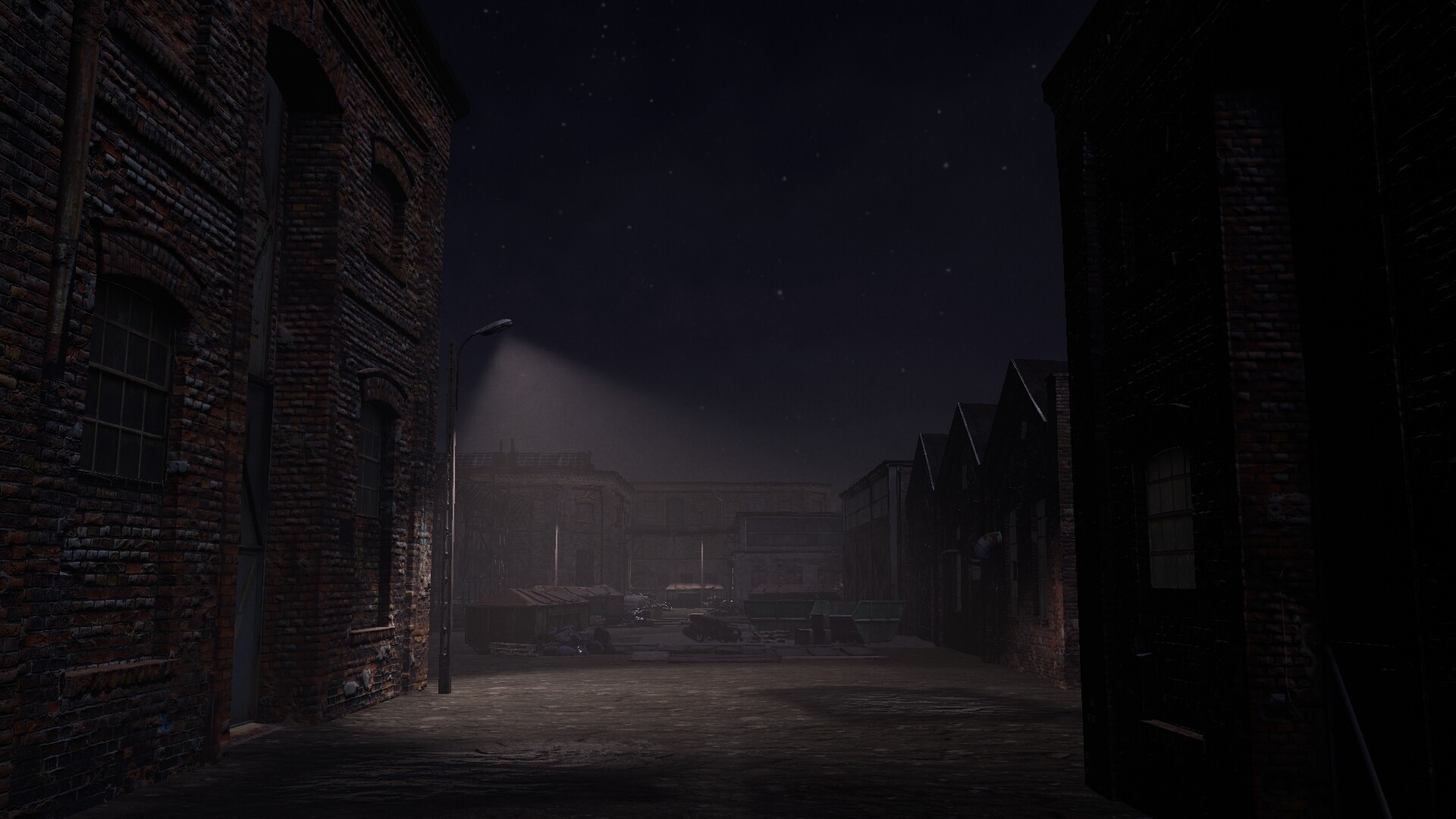
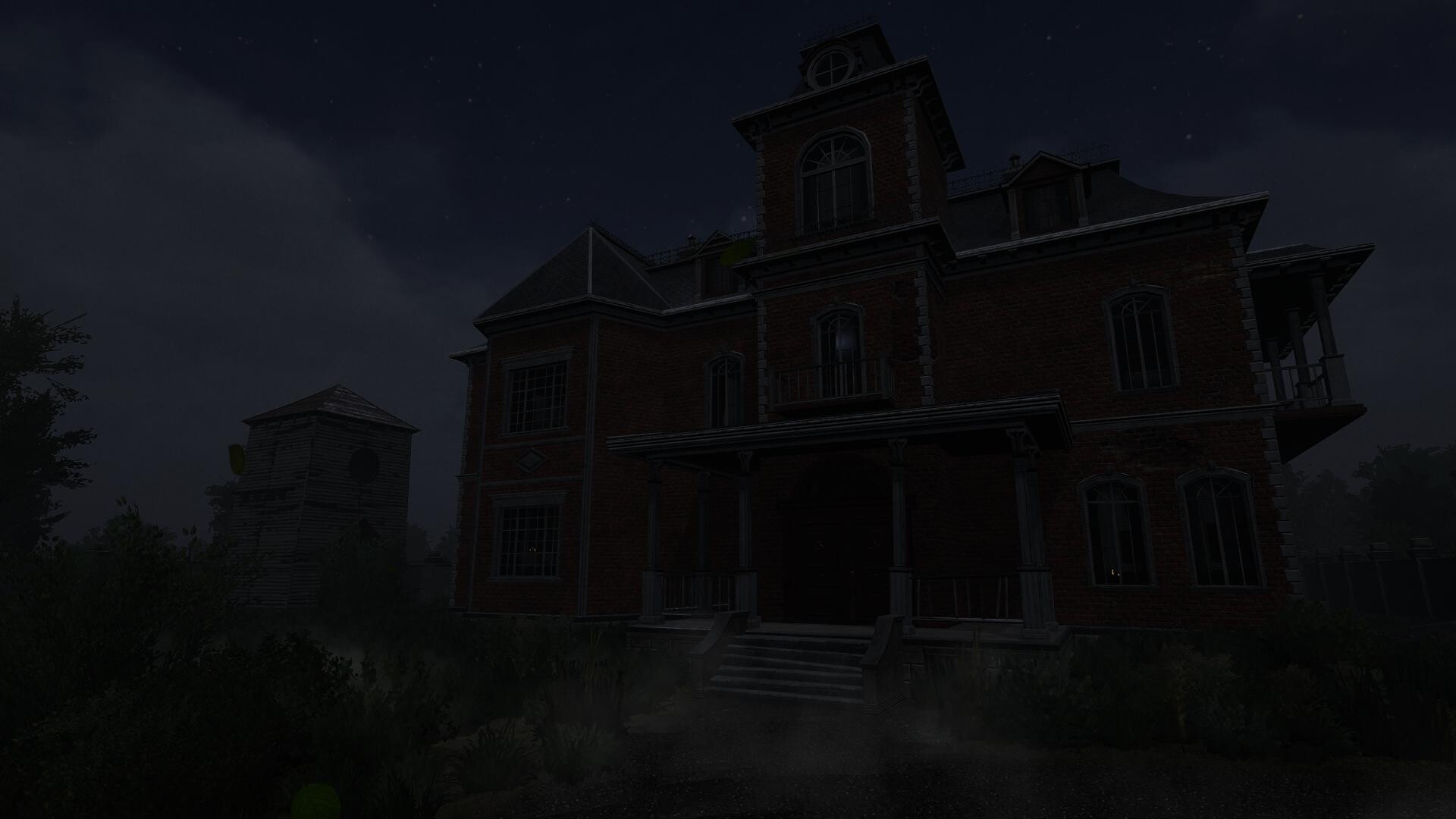
Trace of the Villa is an Action / Adventure / Indie title on Steam from developer/publisher Steadyturtle Co., Ltd. Its official short description: “Jin has spent years searching for his missing sister, pursuing leads that took him to a remote, decaying mansion where he recovered manifests and hints that indicate his sister may still be alive, somewhere at the end of the trail he is about to follow.” The longer Steam description frames the core loop: restore systems, open secured areas, and assemble fragments of hidden documents and transfer records that imply a larger concealed operation.
Compact facts
| Title | Trace of the Villa |
|---|---|
| Release date | 28 May, 2026 |
| Developer | Steadyturtle Co., Ltd. |
| Publisher | Steadyturtle Co., Ltd. |
| Genres | Action, Adventure, Indie |
| Categories / features | Single-player; Color Alternatives; Custom Volume Controls; Playable without Timed Input; Subtitle Options; Family Sharing |
| Steam page | Open Trace of the Villa on Steam |
When and where
Trace of the Villa is available on Steam and was released 28 May, 2026. The Steam listing emphasizes a single-player experience with accessibility options such as subtitle support and the ability to play without timed input—details useful for players who prefer methodical, unhurried investigation.
Why this theme matters — abandoned estates & forensic curiosity
The mansion setting drives the game’s appeal: a property “cut off from the grid and deliberately forgotten” where rooms feel “less abandoned than erased.” That phrasing signals an emphasis on environmental evidence rather than exposition-heavy cutscenes. If you enjoy reconstructing past events from disturbed objects, power logs, unlocked safes, and falsified records, the narrative is built around that forensic curiosity—slowly revealing the social and financial machinery that ran through the estate.
How you read clues and progress
- Restoration mechanics: the Steam description explicitly mentions restoring power and secured systems coming back online, which then unlock new avenues of investigation.
- Environmental evidence: the house contains manifests, encrypted document fragments, and transfer records; clues arrive as artifacts and system data rather than direct narration.
- Puzzle progression: solved puzzles and unlocked safes yield more fragments and lead to additional secure areas—progression is incremental and investigative rather than combat-driven set pieces.
- Accessibility notes: categories like “Playable without Timed Input” and “Subtitle Options” are on the Steam page, signaling a design that supports slow, attentive play.
Who should wishlist or buy this
Consider Trace of the Villa if you match one or more of these player scenarios:
- You prefer slow-burn suspense: patient, clue-by-clue reconstruction of a mystery over adrenaline spikes.
- You like environmental storycraft: narratives told through objects, room states, and recovered documents rather than explicit exposition.
- You enjoy forensic curiosity: tracing financial trails, falsified identities, or constructed timelines from inconclusive fragments.
- You want accessible, untimed puzzles: the Steam page lists “Playable without Timed Input,” suitable for players who dislike strict time pressures.
- You favor single-player, story-focused indie adventures with an investigative rhythm rather than action-first gameplay.
How Trace of the Villa compares to similar mystery/adventure games
Below is a concise editorial comparison oriented around atmosphere, puzzle focus, and pacing for readers choosing their next atmospheric mystery adventure.
| Title | Genre / Tone | Atmosphere | Puzzle focus | Exploration style | Pacing / Player fit |
|---|---|---|---|---|---|
| Trace of the Villa | Action / Adventure / Indie | Decaying mansion, forensic, erasure of identity | Document fragments, secured systems, safes | Room-by-room environmental investigation | Slow, methodical; for players who like clue-driven exploration |
| Amnesia: The Dark Descent | Action / Adventure / Indie (survival horror) | Claustrophobic, horror-focused immersion | Environmental puzzles tied to survival and dread | First-person, tense exploration with stealth elements | High-tension, for players who want horror plus discovery |
| SOMA | Action / Adventure / Indie (sci-fi horror) | Underwater, existential and unsettling | Atmospheric puzzles blended with narrative choices | Linear, story-forward exploration with strong tone | Slow-burn philosophical horror; suited to players who want narrative depth |
| Layers of Fear (2016) | Adventure / Indie (psychological horror) | Victorian mansion, disorienting and hallucinatory | Environmental and psychological puzzle moments | Shifting spaces; less forensic, more psychological | Psychological atmosphere and surreal tension over investigation |
| The Room | Adventure / Indie (puzzle) | Closed, tactile, mysterious objects | Mechanical puzzle boxes and safe-like puzzles | Focused, contained puzzle rooms | For players who prefer tight, tactile puzzle design |
Rusty LakeYouTube discoveryFor trailer and gameplay discovery, use YouTube search rather than relying on unverified embeds: Find Trace of the Villa trailer and gameplay searches on YouTube. CommentsMore posts |
Leave a Reply