
Trace of the Villa: how clue reading, object logic, and story puzzles reveal evidence without spoiling the mystery
Trace of the Villa is a slow-burn, clue-driven adventure that places you in Jin’s shoes as he follows a lead to a remote, decaying mansion—recovering manifests and hints that suggest his missing sister may still be alive. Released on 28 May, 2026 by Steadyturtle Co., Ltd., the game mixes environmental storytelling with puzzle systems that gradually surface documentary and physical evidence rather than bluntly narrating events.

Quick facts
| Title | Trace of the Villa |
|---|---|
| Developer / Publisher | Steadyturtle Co., Ltd. |
| Release date | 28 May, 2026 |
| Genres | Action, Adventure, Indie |
| Steam categories | Single-player, Color Alternatives, Custom Volume Controls, Playable without Timed Input, Subtitle Options, Family Sharing |
| Premise | Jin investigates a remote, deliberately forgotten mansion and recovers manifests and hints indicating his missing sister may still be alive. |
Who this game is for
If you prefer atmospheric mystery adventure and narrative puzzle design where deductions come from reading objects and documents, Trace of the Villa is aimed at you. It fits players who enjoy slow-burn suspense, psychological investigation, and environmental storytelling—those who like piecing together a timeline from fragments rather than being told everything outright. The inclusion of subtitle options, color alternatives, and playable-without-timed-input categories also makes it accessible to players who favour a thoughtful, methodical pace.
What the game does—puzzles as evidence
Trace of the Villa structures its story around physical and electronic remnants you restore and interpret. As Jin brings the estate’s power back online and opens locked spaces, safes and encrypted fragments appear as puzzle rewards. Those puzzles are not merely gatekeeping — they are the primary way the game supplies evidence: manifests, suspicious transfer records, and other items that incrementally build a case. The game’s object logic—how an item fits into a safe, a code derived from a ledger, or a pattern revealed by reactivated systems—serves as the player’s forensic toolkit.
When and where to play
Trace of the Villa is available on Steam for PC, released 28 May, 2026. The Steam page lists single-player support and features intended to help accessibility and comfort (color alternatives, subtitle options, custom volume controls, and playable without timed input).
Why the clue-first approach matters
Games that hand you conclusions shortcut curiosity; Trace of the Villa appears designed so that understanding grows from accumulation. Narrative puzzles here perform dual duties: they gate progression and also act as primary storytelling devices. That means players who enjoy reading manifests, cross-referencing transfer records, and following a financial or logistical trail of evidence will get the most satisfaction—because every solved mechanism yields a new factual fragment rather than a cutscene summary.
How you read clues and progress
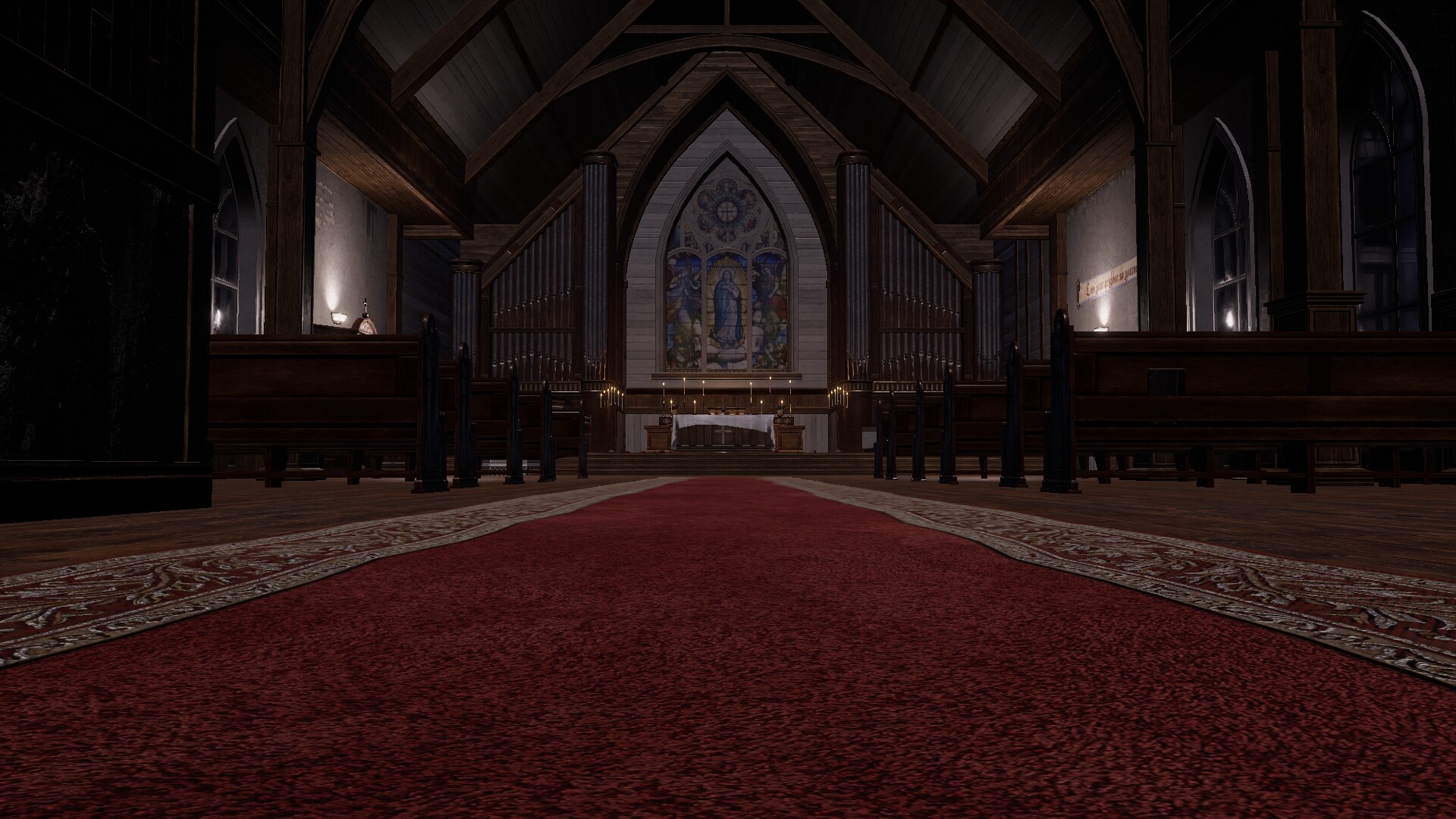
Expect layered interactions. The mansion hides secured systems, hidden compartments, and safes; restoring power and unlocking mechanisms reveals document fragments and records that change how earlier clues are read. Puzzle solutions often surface partial information—an encoded note, a ledger entry, a manifest—so progression requires players to collect and logically connect small discoveries. That design keeps reveals incremental and lets you reconstruct events without the game delivering a single spoiler-heavy synopsis.

Player scenarios: who gets what from the design
- The methodical detective: You’ll appreciate the way evidence arrives in increments. Puzzle work that uncovers manifests and transaction traces fits a careful note-taking playstyle.
- The atmospheric explorer: If mansion mystery and environmental storytelling are your draws, the static-but-staged rooms and reactivated systems provide mood and motive without upfront exposition.
- The puzzle-first player: Expect object logic, lockboxes, and encoded fragments to be the primary engines of progress—if you enjoy decoding systems and applying items logically, this will play to your strengths.
- The impatient action fan: The game’s emphasis on reading evidence and slow revelation may feel deliberate; players seeking high-octane pacing should be aware this is more investigative than action-focused despite an Action/Adventure genre tag.
How it compares — puzzle adventure neighbors
Below is a concise editorial comparison on lawful criteria: genre, atmosphere, puzzle focus, exploration style, story tone, and pacing. This is intended to help you decide whether Trace of the Villa fits your tastes relative to other puzzle-forward or atmospheric titles.
| Title | Genre / vibe | Puzzle focus | Exploration style | Story tone / pacing | Player fit |
|---|---|---|---|---|---|
| Trace of the Villa | Action / Adventure; mansion mystery, atmospheric | Document-led puzzles, safes, systems restoration | Room-by-room, investigative, object reading | Slow-burn, evidence accumulation | Players who like clue-driven investigation and environmental storytelling |
| The Room / The Room Two | Adventure; tactile puzzle-box ambience | Mechanical puzzles and object manipulation as central spectacle | Isolated puzzle spaces with focused interactions | Concise chapters, puzzle-focused suspense | Fans of handcrafted puzzle mechanics and tactile mystery |
| Escape Simulator | Adventure / Casual; interactive escape-room play | Environmental puzzles, high interactivity, physics-driven | Room-based, often short scenarios; community rooms vary | Puzzle-heavy, often faster tempo and cooperative-friendly | Players who want interactivity, moveable objects, and replayable rooms |
| Unpacking | Casual / Indie; reflective, slice-of-life puzzle | Spatial and contextual object placement (non-cryptic) | Personal spaces reveal life through items | Calm, reflective, narrative implied through household objects | Players who like quiet, narrative-through-objects experiences |
Where to learn more (YouTube discovery)
Looking for trailers or gameplay clips? Use this YouTube search as a starting point to find trailers and player footage: Trace of the Villa — YouTube search. (This is a discovery link rather than a verified single official video source.)
Decide whether to wishlist
Wishlist Trace of the Villa if you enjoy careful clue interpretation, methodical puzzle-solving that doubles as storytelling, and slow atmospheric builds where evidence is earned. If you prefer puzzle spectacle or faster pacing, consider previewing footage first to confirm the tempo fits your expectations.
Steam page
View Trace of the Villa on Steam
Editorial note & disclaimer
Referenced game details (title, release date, developer/publisher, genres, and official short description) come from the Trace of the Villa Steam store listing. Comparative titles are discussed on the basis of genre, atmosphere, puzzle focus, exploration style, story tone, and pacing for editorial discovery—there is no endorsement implied. All referenced titles and trademarks belong to their respective owners; comparisons are editorial only.
Leave a Reply