
Trace of the Villa — an object-driven mansion mystery built on clue chains
Trace of the Villa puts you in Jin’s shoes: years-long searches for a missing sister lead to a cut‑off, decaying mansion where restored systems and unlocked safes reveal a staged erasure of identity. The game foregrounds locked‑room thinking, object clues, and the momentum of puzzle chains as the house slowly hands you narrative fragments to reassemble.

Quick facts
| Title | Trace of the Villa |
|---|---|
| Steam AppID | 3483660 |
| Release date | 28 May, 2026 |
| Developer | Steadyturtle Co., Ltd. |
| Publisher | Steadyturtle Co., Ltd. |
| Genres | Action, Adventure, Indie |
| Notable Steam categories | Single‑player; Color Alternatives; Custom Volume Controls; Playable without Timed Input; Subtitle Options; Family Sharing |
| Premise | Jin searches a remote, decaying mansion for clues that his missing sister may still be alive, recovering manifests and hints that extend the trail. |
Who this is for
Players who prefer slow, atmospheric mystery adventures that reward environmental reading and methodical reasoning will find the right pitch here. If you enjoy following physical clue chains — restoring power, unlocking hidden compartments, examining personal effects and encrypted fragments to build a timeline — Trace of the Villa is directly aimed at that audience rather than frantic twitch‑action or multiplayer puzzle chaos.
What the game is
Official Steam materials position Trace of the Villa as a narrative puzzle experience centered on a protagonist, Jin, whose private investigation into a missing sister unravels a property “less abandoned than erased.” Restoring systems sparks a cascade of reveals: secured systems come back online, hidden compartments unlock, safes yield fragments of encrypted documents and suspicious transfer records. Each solved puzzle appears to open another layer of secrecy rather than simply gatekeeping a single door.

When and where
Trace of the Villa is available on Steam (release date: 28 May, 2026). The title lists Steam‑specific accessibility and UI options — subtitles, color alternatives, custom volume controls — and is presented as a single‑player PC experience in the Steam storefront.
Why the theme matters
The game’s conceit — a house that appears intentionally stripped of identity — turns environmental detail into primary narrative currency. When a level design choice enforces that rooms feel furnished yet anonymized, the player reads objects as evidence rather than decoration. That thematic focus makes locked‑room logic and chain puzzles an expressive device: every recovered manifest or transfer record is both a gameplay key and an ethical clue about what happened there.
How clue chains and environmental reading work here
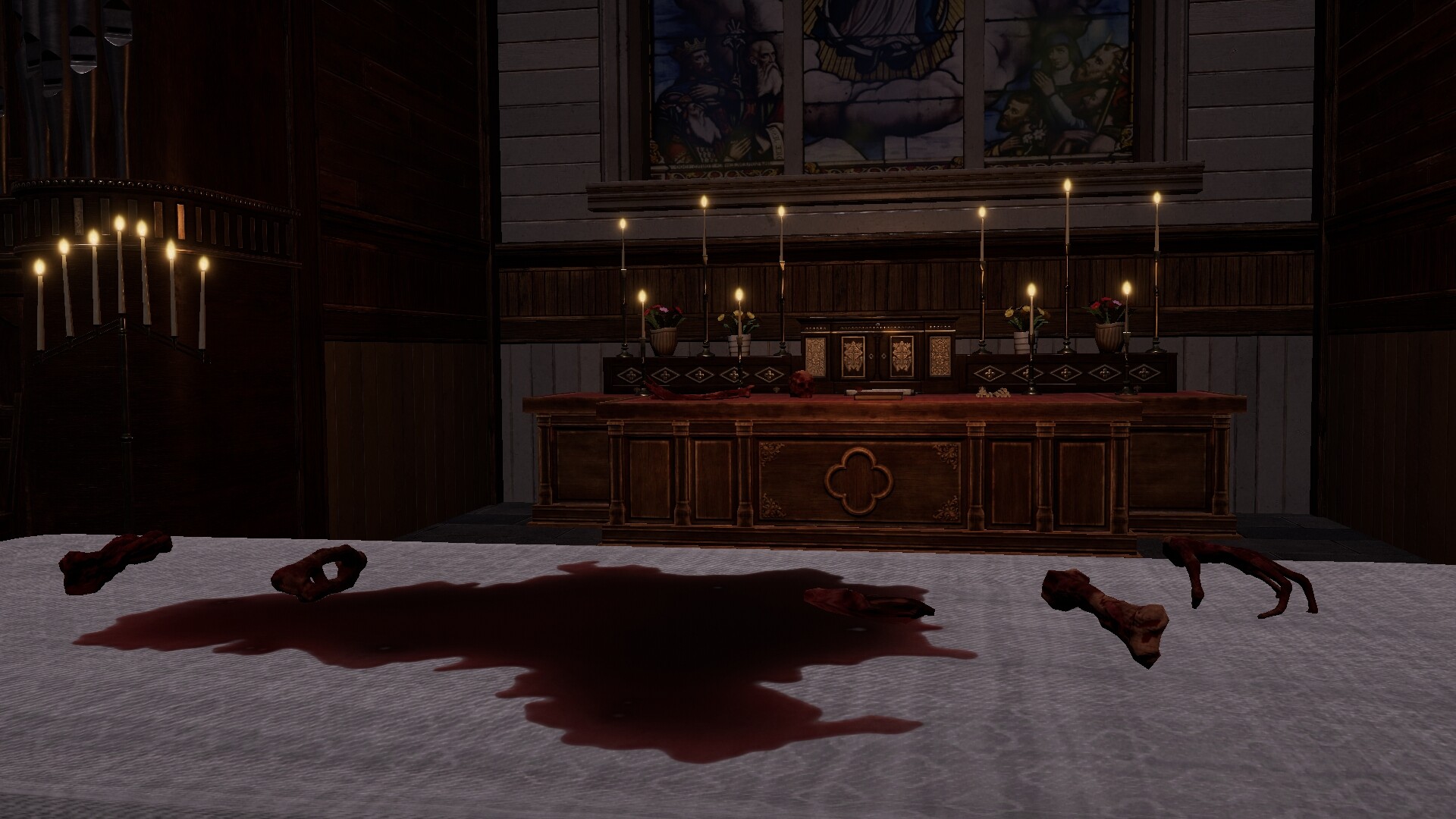
Steam copy describes sequences where restoring power and accessing secured systems yield fragments (encrypted documents, manifests, suspicious transfers). That implies a design built around layered discovery: initial interactions reveal a datum, the datum suggests a place or object to examine, and that object yields a mechanical or code puzzle that opens the next fragment of narrative. Expect object clues to work as connective tissue for momentum rather than as isolated, self‑contained riddles.
Player scenarios — who should wishlist
- The methodical detective: You enjoy paced unraveling of a central mystery through itemized evidence and sequential puzzles. Trace of the Villa’s locked doors, safes and restored systems align with that style.
- The environmental storyteller: You prioritize atmosphere and world detail — rooms that feel “erased” but furnished, where absence is a clue in itself.
- The narrative puzzle fan who avoids timed pressure: Steam categories include “Playable without Timed Input,” indicating a design leaning toward thoughtful pacing rather than twitch responses.
- Not ideal if: you prefer competitive co‑op or high‑tempo arcade action; Trace of the Villa’s emphasis is single‑player, investigative exploration.
How it differs from nearby mystery and puzzle titles
Below is a compact editorial comparison focused on genre, atmosphere, puzzle focus, exploration style, story tone and pacing so you can see where Trace of the Villa sits relative to other recognizable entries in the genre space.
| Title | Genre / Core feel | Puzzle focus | Exploration style | Tonal / pacing notes | Player fit |
|---|---|---|---|---|---|
| Trace of the Villa | Action / Adventure / Indie | Clue chains; object clues; safes, encrypted fragments (per Steam description) | Single‑player, atmospheric mansion exploration | Mansion mystery, slow‑burn suspense; investigative momentum | Players who read environment and follow layered puzzles |
| The Room | Adventure / Indie | Mechanical puzzle boxes and tactile locks (mystery box focus) | Compartmentalized puzzle rooms | Focused, intimate puzzle tension; deliberate pacing | Fans of tactile, self‑contained puzzle devices |
| The Room Two | Adventure / Indie | Continued emphasis on intricate puzzle devices | Linear sequence of puzzle locales | Atmospheric, often cryptic narrative thread | Players wanting curated puzzle sequences with strong mechanical focus |
| Escape Simulator | Adventure / Casual / Indie | Highly interactive objects; sandbox room interaction | Room
Steam pageView Trace of the Villa on Steam YouTube discoveryFor trailer and gameplay discovery, use YouTube search rather than relying on unverified embeds: Find Trace of the Villa trailer and gameplay searches on YouTube. Comments |
Leave a Reply