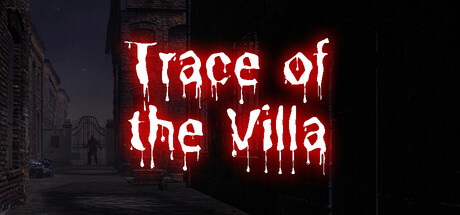
Trace of the Villa — why quiet tension and uncertainty matter more than shock claims
Trace of the Villa is a story-rich mystery adventure about Jin, a man chasing clues to his missing sister through a decaying, cut‑off mansion; its horror leans on atmosphere, withheld information, and slow revelation rather than jump scares. Released on 28 May, 2026 by Steadyturtle Co., Ltd., the game foregrounds environmental storytelling and puzzle-led investigation inside a house that feels more erased than abandoned.

Facts at a glance
| Title | Trace of the Villa |
|---|---|
| Release date | 28 May, 2026 |
| Developer / Publisher | Steadyturtle Co., Ltd. |
| Official short description | Jin has spent years searching for his missing sister, pursuing leads that took him to a remote, decaying mansion where he recovered manifests and hints that indicate his sister may still be alive, somewhere at the end of the trail he is about to follow. |
| Genres | Action, Adventure, Indie |
| Key Steam categories | Single-player; Color Alternatives; Custom Volume Controls; Playable without Timed Input; Subtitle Options; Family Sharing |
Who it’s for
If you prefer slow‑burn suspense, environmental storytelling, and puzzle-driven exploration to overt jump scares, Trace of the Villa is aimed squarely at you. It suits players who enjoy investigating a mansion for fragments of narrative, restoring systems and unlocking hidden compartments, and piecing together a timeline from financial records, manifests, and encrypted documents rather than relying on scripted shocks.
What the game is
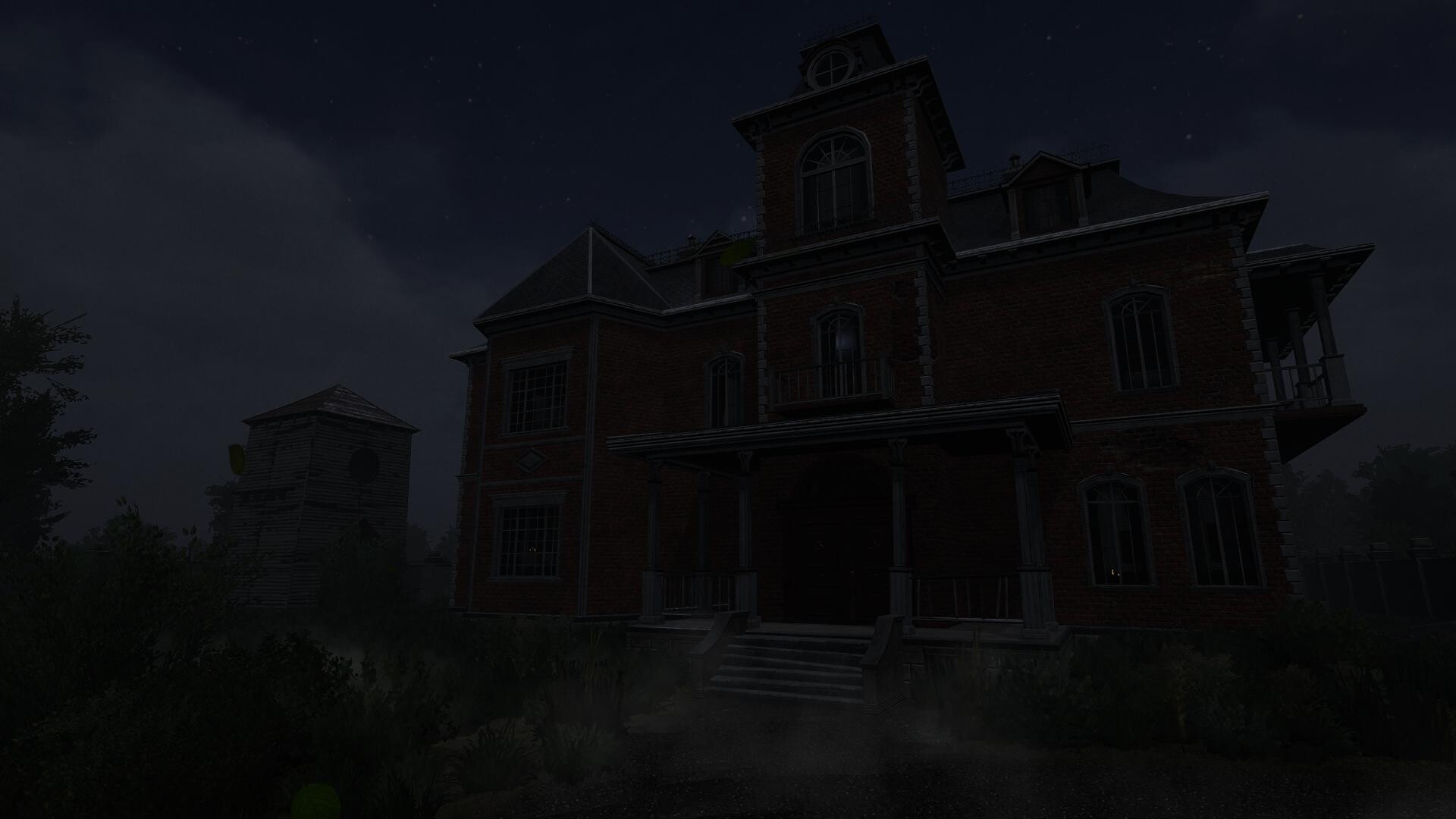
Trace of the Villa positions the player as Jin, a protagonist whose long hunt for a missing sister leads him to a deliberately forgotten estate. The mansion is cut off from the grid and shows signs of past occupancy but lacks clear identities or recent records. When Jin restores power and access, secured systems and safes begin to yield clues pointing to falsified identities, suspicious transfers, and a larger operation concealed behind the property. The game combines exploration, narrative puzzle design, and environmental mystery to build tension through uncertainty.
When and where
Trace of the Villa released on 28 May, 2026 on Steam. The store page lists its genres as Action / Adventure / Indie and highlights single‑player and accessibility options such as custom volume controls and subtitle options that fit a PC mystery game experience.
Why the theme matters — quiet tension over shock
Psychological horror that trusts restraint rewards players differently than shock‑heavy designs. By withholding names, photos, and a straightforward timeline, Trace of the Villa creates a persistent unease: the house doesn’t scream at you, it simply refuses to explain. That unresolved silence becomes the engine of dread. Restoring power and slowly uncovering encrypted fragments transforms routine inventory and puzzle work into acts of revelation — and every small discovery raises more questions than answers. For players who value mood-driven horror, that slow accretion of detail is far more unnerving than a checklist of jump scares.
How you progress — reading the place
Progress in Trace of the Villa centres on exploration and inference rather than timed reflexes. You examine rooms left mid‑routine, interact with objects and locked systems, and restore estate power to access hidden compartments and safes. Solving puzzles yields documents and manifests that form a breadcrumb trail: encrypted files, transfer records, and falsified identifiers. The gameplay loop is clue → decrypt/restore → context, with each recovered item reframing what came before and nudging Jin (and the player) closer to how the mansion fits into a wider, controlled operation.

Player scenarios — who will enjoy this most
- Mood players: You favor atmosphere and slow escalation; you’ll enjoy the mansion’s oppressive quiet and the way small reveals shift meaning.
- Puzzle readers: You like puzzles that feel like evidence gathering; decrypting files and restoring systems to unlock narrative beats will appeal to you.
- Investigative role‑players: You assume Jin’s patience and methodical approach, treating each object as a piece of a case file rather than immediate threat fodder.
- Not ideal if: you prefer constant action, frequent combat, or a barrage of jump scares — Trace of the Villa emphasizes unanswered questions and atmosphere over shock rhythm.
Comparison: where Trace of the Villa sits among psychological and exploration horrors
The table below compares Trace of the Villa to a handful of well‑known narrative horror titles on lawful editorial criteria: genre, atmosphere, puzzle focus, exploration style, story tone, and pacing. Use it to decide if Trace of the Villa matches your playstyle.
| Title | Genre / release | Atmosphere | Puzzle / investigation | Exploration style | Story tone / pacing | Player fit |
|---|---|---|---|---|---|---|
| Trace of the Villa | Action, Adventure, Indie — 28 May, 2026 | Quiet, erased identities, decaying estate | Clue-driven: manifests, encrypted docs, restored systems | Mansion-focused, methodical room-by-room discovery | Slow-burn, uncertainty and gradual revelation | Fans of atmospheric mystery and narrative puzzle design |
| Amnesia: The Dark Descent | Action, Adventure, Indie — 8 Sep, 2010 | Immersive dread, personal horror | Exploration with sanity mechanics; environment as threat | First-person corridors and chambers, reactive systems | High tension with sustained dread | Players who want immersion and sustained terror |
| SOMA | Action, Adventure, Indie — 21 Sep, 2015 | Claustrophobic, existential sci‑fi unease | Puzzle and narrative investigation tied to setting | Complex environments (underwater facility), story-led | Thoughtful pacing; philosophical dread | Those who prefer story and atmosphere over fright tactics |
| Layers of Fear (2016) | Adventure, Indie — 15 Feb, 2016 | Shifting, surreal Victorian gothic | Environmental puzzles tied to madness and narrative | Mutable mansion spaces that change with progress | Psychological with variable pacing and set pieces | Players drawn to artful, story-centered psych horror |
| Poppy Playtime |
Leave a Reply