
Trace of the Villa — why quiet tension and unresolved clues matter more than cheap shocks
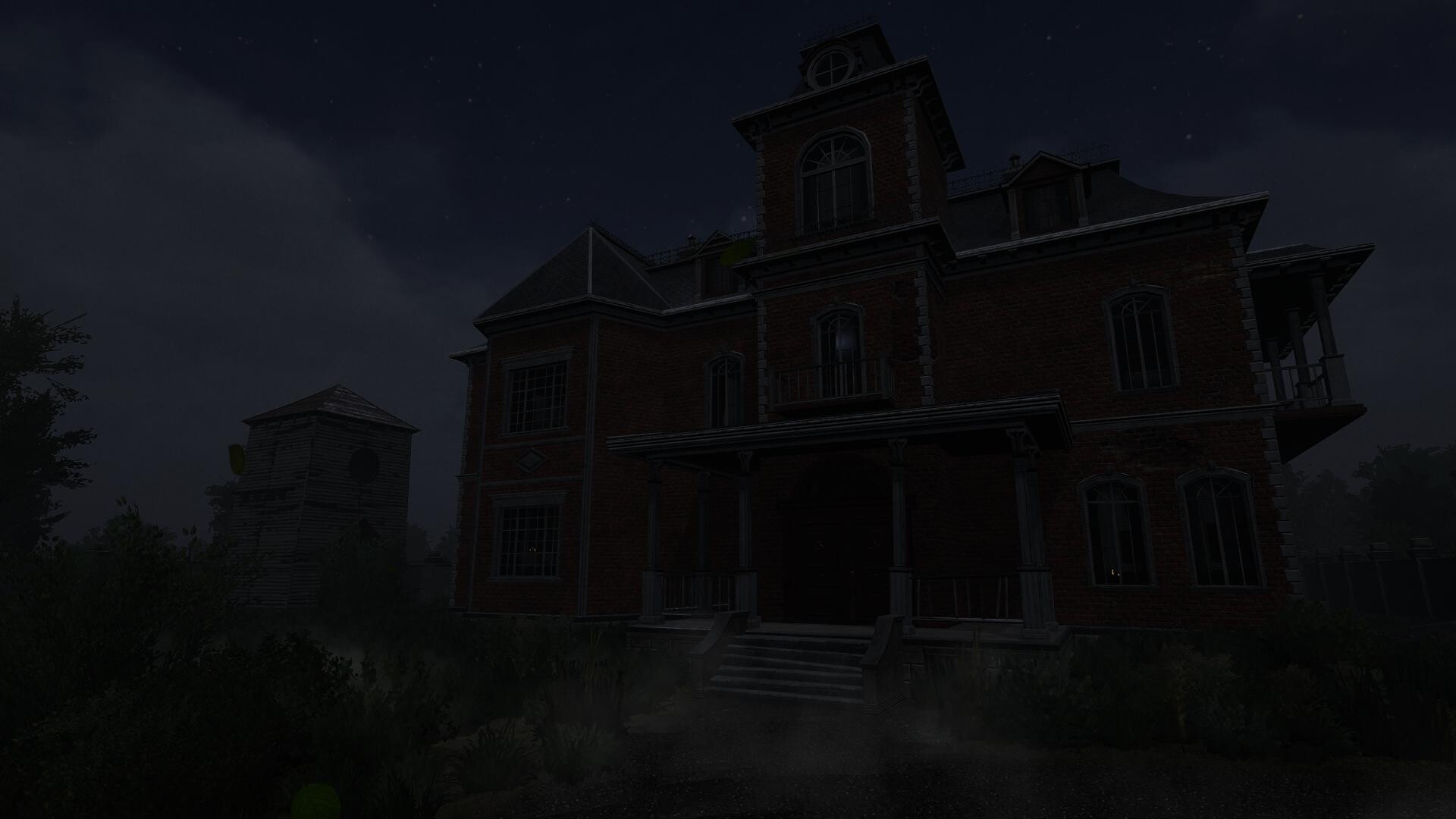
Trace of the Villa (Steadyturtle Co., Ltd., released 28 May, 2026) walks a thin line: it trades jump-scare theatrics for a slow-burn sense of unease as you reconstruct a past someone has tried to erase. If you prefer atmosphere, environmental storytelling, and a clue-driven investigation inside a decaying mansion, this is a Steam indie to note.

Who, What, When, Where, Why, How
Who is this for?
Players looking for a story-rich adventure that prioritizes mood, environmental clues, and steady psychological tension over repeated jump scares. If you enjoy atmospheric mystery adventure or slow-burn suspense that rewards patience and careful observation, Trace of the Villa is targeted at you.
What is the game?
Trace of the Villa is an action-adventure indie from Steadyturtle Co., Ltd. Its official short description: “Jin has spent years searching for his missing sister, pursuing leads that took him to a remote, decaying mansion where he recovered manifests and hints that indicate his sister may still be alive, somewhere at the end of the trail he is about to follow.” The official plain description expands that the mansion’s records have been deliberately scrubbed and that restoring systems and solving puzzles reveals financial trails, falsified identities, and tightly controlled movements.
When and where is it available?
Trace of the Villa launched on 28 May, 2026 and is available on Steam for PC. It appears in Steam’s Action / Adventure / Indie tags and is presented as a single-player experience with accessibility options such as subtitle options and custom volume controls.
Why the theme matters
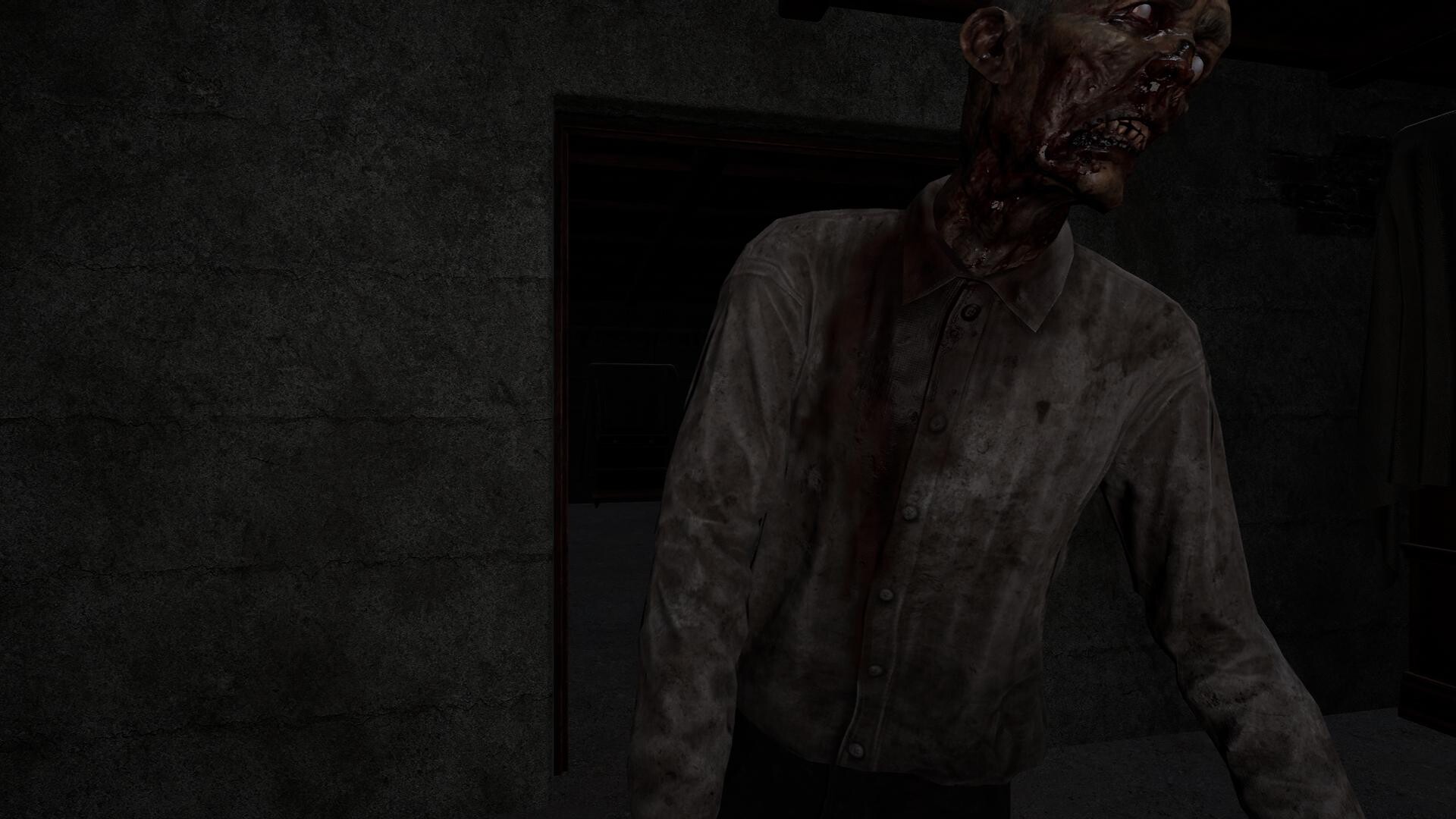
The game leans into the psychological weight of absence: rooms staged as if their occupants left mid-routine, personal effects without names or photographs, and systems coming back online to reveal carefully concealed operations. That kind of erased-history premise works best when the player fills gaps with inference and dread rather than being told precisely what to fear—so restraint becomes a design choice as important as any puzzle mechanic.
How you progress
Progression is clue-driven exploration and puzzle resolution. Jin restores power, unlocks hidden compartments, and decodes documents; each recovered fragment points the player to the next location or puzzle. The Steam listing highlights environmental storytelling and investigative beats rather than combat-first gameplay, and the categories include options that support accessibility and paced play (for example: playable without timed input, subtitle options).
Essential visuals
Compact facts — Trace of the Villa
| Title | Trace of the Villa |
|---|---|
| Developer / Publisher | Steadyturtle Co., Ltd. |
| Release date | 28 May, 2026 |
| Genres | Action, Adventure, Indie |
| Key categories | Single-player; Color Alternatives; Custom Volume Controls; Playable without Timed Input; Subtitle Options; Family Sharing |
| Official short description | Jin has spent years searching for his missing sister, pursuing leads that took him to a remote, decaying mansion where he recovered manifests and hints that indicate his sister may still be alive, somewhere at the end of the trail he is about to follow. |
Who should wishlist this on Steam?
Wishlist if you:
- Prefer explorations driven by environmental storytelling and scattered documents over set-piece combat.
- Like detective-style pacing where every solved puzzle reveals another procedural or narrative clue.
- Enjoy psychological investigation and slow-burn tension inside a single, carefully constructed location.
Skip or delay if you:
- Want relentless action or frequent jump-scare shocks as the primary driver of excitement.
- Prefer multiplayer experiences or games that demand split-second timed reactions as a constant mechanic.
Comparison: nearby atmospheric mystery and psychological horror
Below is a concise editorial comparison focused on atmosphere, puzzle focus, exploration style, tone, and pacing—useful to decide which profile fits you.
| Title | Primary tone / setting | Puzzle vs. survival | Exploration style | Pacing | Who it suits |
|---|---|---|---|---|---|
| Trace of the Villa | Decaying mansion; erased identities; investigative mystery | Clue-driven puzzles & document reconstruction (emphasizes investigation) | Room-by-room exploration with systems restoration | Slow-burn, methodical | Players who value mood, environmental storytelling, narrative puzzles |
| Amnesia: The Dark Descent | First-person gothic horror; immersion and dread | Primarily survival/hiding mechanics with immersion-driven puzzles | Immersive first-person exploration in interconnected spaces | Often tense and escalation-driven | Players seeking immersion and persistent dread |
| SOMA | Sci-fi horror below the sea; existential and atmospheric | Story and environmental puzzles with survival elements | Explores facilities and systems; narrative-forward | Measured, reflective, occasionally tense | Players who want narrative weight and philosophical horror |
| Layers of Fear (2016) | Victorian mansion; psychological descent tied to art | Environmental puzzles supporting a narrative of sanity | Shifting, atmospheric rooms that reflect mental state | Atmospheric with episodic reveals | Players who like unreliable narration and mood-driven scares |
| Poppy Playtime | Abandoned factory; toy horror with puzzle devices | Puzzle-adventure with stealth elements | Area-based puzzles with gadget-based interaction | Faster-paced puzzle sequences and set pieces | Players wanting puzzle devices and paced tension |
Use these lines to choose: Trace of the Villa is closer to Layers of Fear and Amnesia in atmospheric intent, but its investigative premise and focus on restored systems set it apart toward a puzzle-led, clue-gathering design rather than persistent survival mechanics.
Player scenarios — what to expect in play sessions
Evening investigation (1–2 hours)
Load the game for a quiet session of focused exploration: inspect a room, follow a newly revealed wire to a breaker box, restore a small system, and read through a found manifest. Expect tension to build through implication rather than surprise attack.
Longer play (2–5 hours)
Over a longer stretch, you’ll trace threads across the estate—deciphering transfer records and connecting falsified identities to places in the mansion. This format rewards players who take notes and who enjoy piecing a timeline together from fragments.
Cozy/slow-play preference
Use subtitle and custom-volume controls to tailor pacing. The presence of “playable without timed input” suggests opportunities for players who prefer a non-rushed investigative experience.
YouTube discovery
If you want to see trailers or gameplay captures before deciding, search for Trace of the Villa trailers and gameplay footage on YouTube: YouTube search: Trace of the Villa trailer/gameplay. This is a discovery path rather than a guarantee of any single official video.
How to find it on Steam
If this profile matches your tastes, consider wishlisting on Steam to follow updates and player feedback.
Disclaimer
Referenced titles and trademarks belong to their respective owners. Comparisons in this article are editorial discovery only and not endorsements or claims of superiority.
Leave a Reply