
Trace of the Villa — an atmospheric mystery adventure built around a single, urgent question
Jin’s search for a missing sister lands him at a remote, decaying mansion where manifests and hints suggest she may still be alive. Trace of the Villa (Steadyturtle Co., Ltd., release date 28 May, 2026) frames its narrative around investigation, locked rooms, and fragments of identity that a player must reassemble to follow a trail to whatever lies at the end.

Facts at a glance
| Title | Trace of the Villa |
|---|---|
| Steam AppID | 3483660 |
| Release date | 28 May, 2026 |
| Developer | Steadyturtle Co., Ltd. |
| Publisher | Steadyturtle Co., Ltd. |
| Genres | Action, Adventure, Indie |
| Key categories | Single-player; Color Alternatives; Custom Volume Controls; Playable without Timed Input; Subtitle Options; Family Sharing |
| Short premise | Jin has spent years searching for his missing sister, pursuing leads that took him to a remote, decaying mansion where he recovered manifests and hints that indicate his sister may still be alive, somewhere at the end of the trail he is about to follow. |
Who is this for?
If you prize slow-burn suspense and story-rich investigation over twitch reflexes, Trace of the Villa is aimed at players who enjoy environmental storytelling and clue-driven exploration. The Steam page lists it under Action, Adventure, and Indie and marks it Single-player, so it’s positioned for solo players who want a narrative focus with puzzle and investigation elements rather than multiplayer spectacle.
What the game actually is
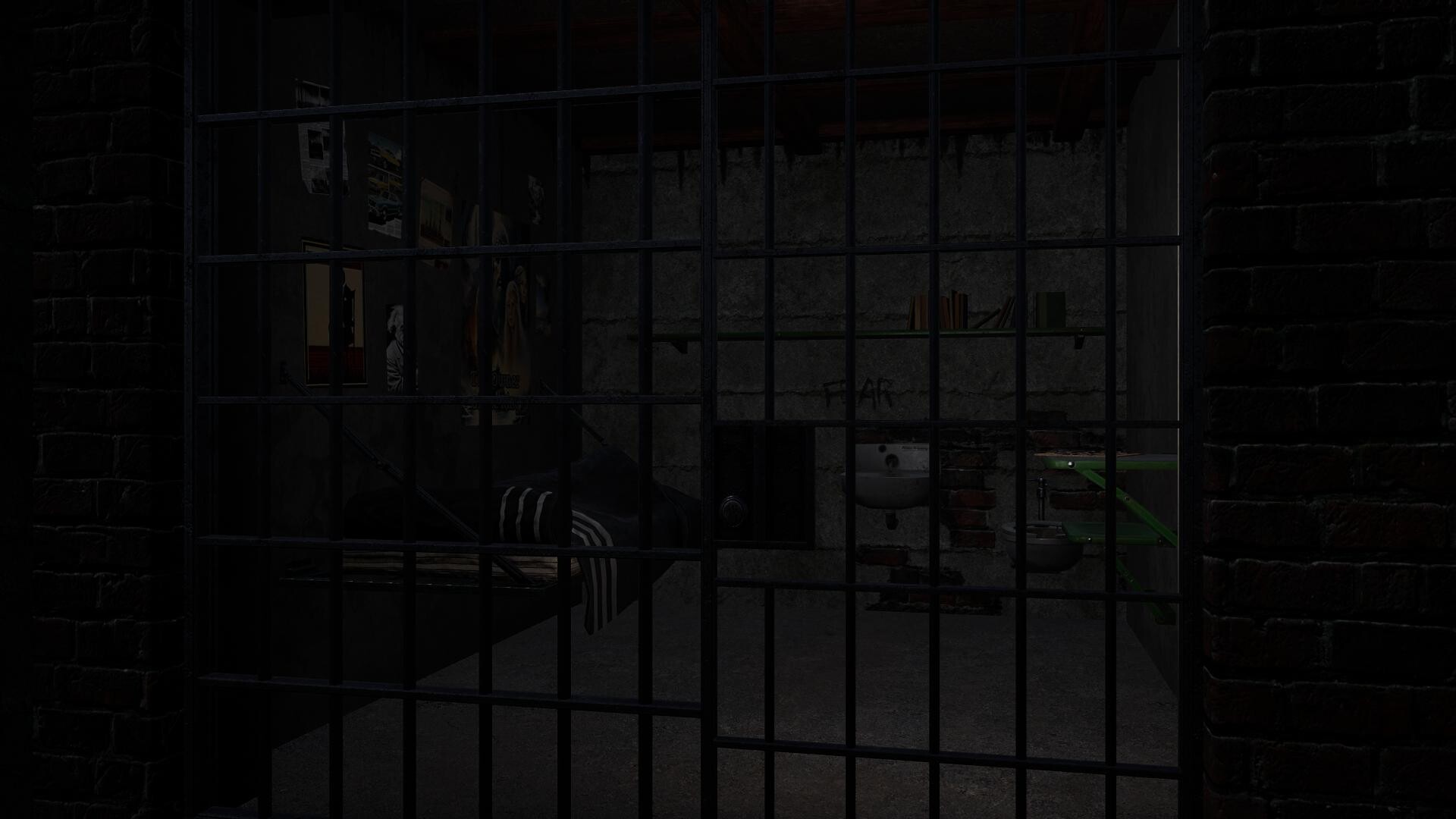
The official description frames the game as a psychological investigation inside a property “cut off from the grid and deliberately forgotten.” Jin restores power, unlocks hidden compartments, and recovers fragments—encrypted documents, suspicious transfer records and manifests—that point to falsified identities and movements cloaked from normal records. The design appears built around unlocking systems and reading traces left behind, rather than straightforward combat or set-piece action.

When and where
Trace of the Villa is available on Steam; the official release date listed is 28 May, 2026. For discovery and wishlisting, the Steam store listing is the place to follow updates and platform-specific details.
Why the missing-person stakes matter here
Missing-person stakes give the investigation urgency: the protagonist isn’t pursuing an abstract mystery but searching for a sister who may still be alive. That context changes how clues land—manifests, transfer records and falsified identities become personal markers rather than archival curiosities. On the Steam page, systems that come back online and safes yielding encrypted fragments are presented as mechanic-driven ways the mansion reveals its carefully concealed operation; the emotional weight comes from what those fragments might mean for Jin’s search.
How you progress — reading the house as a narrative device
The Steam description implies progression through environmental systems: restoring power, reactivating secured systems, unlocking compartments and decrypting documents. Expect a design that privileges observational reading—inventorying personal belongings, following financial or administrative trails, and piecing timeline fragments together. Puzzle-solving and forensic pattern recognition seem central: each solved lock or restored system yields another layer of institutional or human obfuscation to parse.
Player scenarios — who should wishlist this
- For narrative detectives: You enjoy following discrete clues and building a timeline from documents, manifests, and systems that must be restored to reveal the truth.
- For atmosphere-first explorers: You prefer slow-burn suspense and rooms that suggest interrupted lives and erased identities rather than loud jump scares.
- For puzzle-minded players: You like puzzles that are keyed to story progression—decryptions, locked safes, and system restoration that reveal new narrative threads.
How it compares (compact editorial table)
| Title | Similar appeal | Key difference |
|---|---|---|
| Inscryption | Atmospheric mystery and layered secrets | Inscryption blends card-based systems and meta-puzzle layers; Trace of the Villa uses environmental systems and document trails as investigation tools. |
| Outer Wilds | Exploration-driven narrative discovery | Outer Wilds is open, systemic, and loop-focused; Trace of the Villa is confined to a mansion and emphasizes forensic reconstruction and locked-room investigation. |
| Journey | Strong, solitary atmosphere | Journey is abstract and wordless; Trace of the Villa is clue- and document-driven with explicit missing-person stakes. |
| The Forgotten City | Narrative mystery with puzzle stakes | The Forgotten City uses time and moral puzzles at scale; Trace of the Villa appears concentrated on uncovering institutional obfuscation and personal loss within a single estate. |
| The Medium | Psychological, twin-realm tone | The Medium uses parallel-reality exploration; Trace of the Villa stays grounded in restoring physical systems and reading traces left by people and records. |
YouTube discovery
Looking for trailers or gameplay videos? Use this search path to find community uploads and trailers: Trace of the Villa trailer & gameplay — YouTube search. (Search link supplied for discovery; do not assume any single video is the official trailer unless explicitly marked on Steam.)
View Trace of the Villa on Steam
Disclaimer: Referenced titles and trademarks belong to their respective owners. Comparisons in this article
Leave a Reply