
Trace of the Villa: an escape-room style mystery built around power, locks, and evidence
Jin’s search for a missing sister leads him to a decaying, off-the-grid mansion where restoring power changes everything. Trace of the Villa (Steadyturtle Co., Ltd.) is a story-rich, clue-driven adventure that stages its puzzles as a slow, forensic unspooling of a place that seems deliberately erased.

Who this is for
If you prioritize atmosphere, slow-burn suspense, and close-reading over twitch reflexes, Trace of the Villa is aimed at you. The game will suit players who like:
- locked-room thinking and clue chains — puzzles that build on discovered evidence rather than standalone riddles;
- environmental storytelling and reconstruction of a timeline from fragments;
- single-player narrative investigations with accessibility options (subtitles, color alternatives, custom volume controls) and no required timed input.
Steam categories also list Trace of the Villa as Single-player and include options like Color Alternatives, Custom Volume Controls, Playable without Timed Input, Subtitle Options and Family Sharing — small but helpful details for players who value accessibility and a patient pace.
What the game is
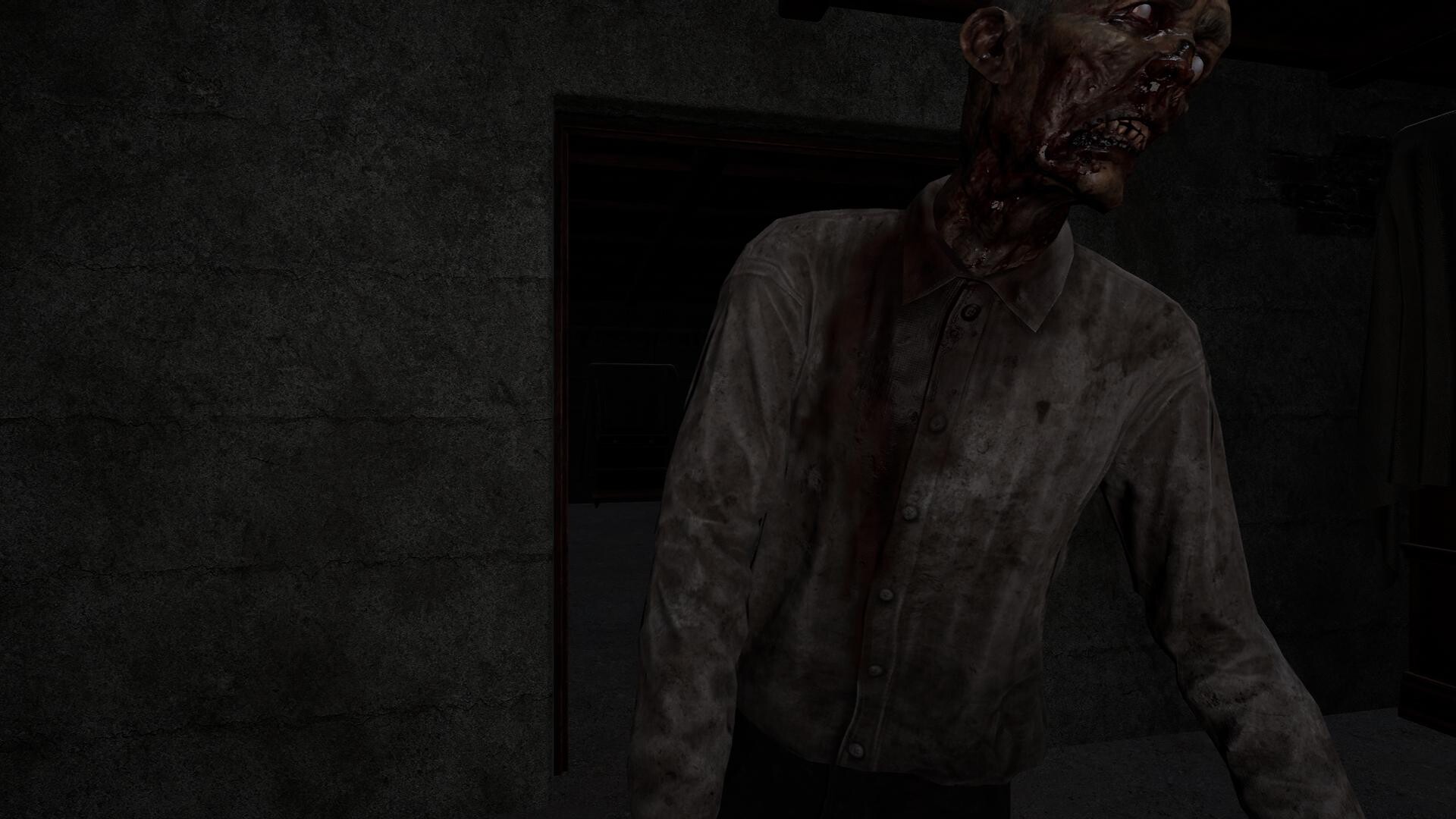
Trace of the Villa casts you as Jin, who has spent years searching for his missing sister. A lead points him to a remote, dilapidated mansion cut off from the grid. Inside, rooms look like the occupants vanished mid-routine; identities and records seem erased. The core conceit is procedural revelation: when Jin restores power, secured systems come back online, hidden compartments open, and safes yield fragments of encrypted documents and suspicious transfer records. What appears at first to be an abandoned house reveals layers of a carefully concealed operation.
When and where
Trace of the Villa released on 28 May, 2026 and is available on Steam for PC. It is developed and published by Steadyturtle Co., Ltd. — you can view its Steam page here: Trace of the Villa on Steam.
How the gameplay loop works: power, locks, evidence
The game’s mechanical heartbeat revolves around a straightforward but effective loop: restore power → unlock systems and spaces → gather fragments → reconstruct a timeline. That loop is both literal and thematic:
- Restore power: flipping breakers or reactivating estate systems is often the key to revealing the next set of puzzles. Power restoration isn’t window dressing — it changes the mansion’s topology by bringing devices and security back online.
- Unlock spaces: restoring systems frequently causes sealed doors, hidden panels and safes to become accessible. These unlocked spaces are not just new rooms; they recontextualize what you’ve already seen in the house.
- Reconstruct evidence: safes and systems yield encrypted documents, manifests and transfer records. Puzzles chain into one another via those fragments: one decrypted file points at another room, a ledger row suggests a date, a manifest hints at a false identity.
The result is a locked-room experience that leans on environmental reading and logical chaining more than on inventory-combination theatrics. The mansion itself acts like a forensic site; details matter (furniture left in place, absent photographs, odd administrative records), and putting disparate tidbits together is the primary reward.
Why the mansion mystery matters here
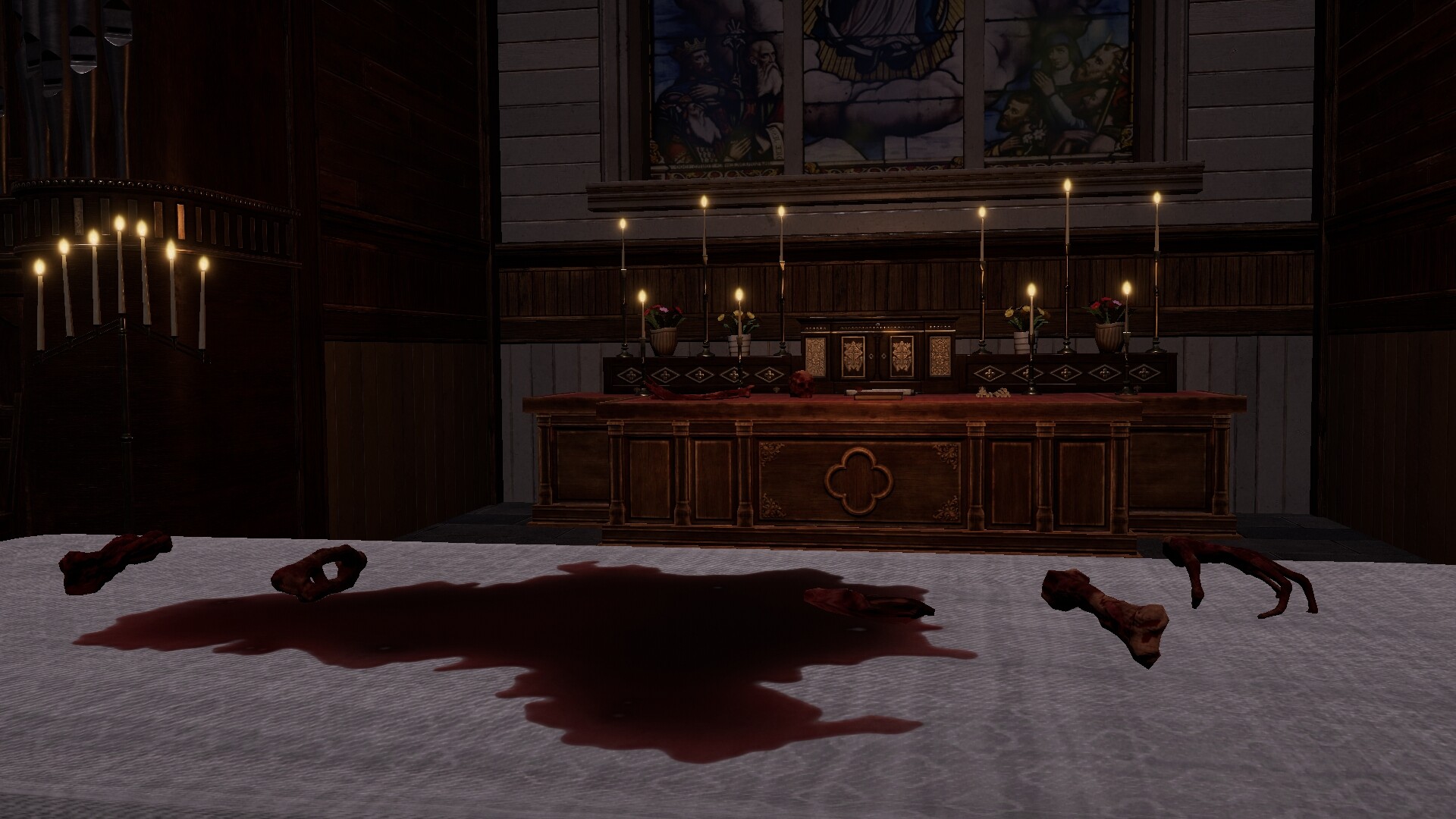
Trace of the Villa frames its puzzles inside a narrative about erased identity and controlled movement. When a house was used as part of a larger operation — falsified identities, transfers that lead nowhere — puzzles are not abstract toys but evidence to be read. That makes the experience more about inference and less about arbitrary pattern-matching: players who enjoy piecing together motives and timelines will find the game’s investigative emphasis rewarding.
Player scenarios — how different players will experience the game
- The methodical investigator: Savors careful note-taking, cross-referencing manifests, and returning to earlier rooms after a new system is powered. The core loop of restoring power and unlocking new spaces will feel deliberate and gratifying.
- The environmental reader: Relies on visual cues — staged rooms, missing photographs, and furniture arrangements — to infer a sequence of events. For this player, the mansion is a case file laid out in architecture.
- The atmospheric explorer: Prefers slow pacing and story momentum over constant puzzle churn. If you like slow-burn suspense and narrative puzzle design, Trace of the Villa aligns with that taste.
Compact facts
| Title | Trace of the Villa |
|---|---|
| Release date | 28 May, 2026 |
| Developer | Steadyturtle Co., Ltd. |
| Publisher | Steadyturtle Co., Ltd. |
| Genres | Action, Adventure, Indie |
| Steam categories | Single-player; Color Alternatives; Custom Volume Controls; Playable without Timed Input; Subtitle Options; Family Sharing |
| Steam app ID | 3483660 |
How it compares — a concise editorial table
Below is a comparative snapshot for readers trying to decide whether Trace of the Villa fits their tastes, framed by lawful editorial criteria: genre, atmosphere, puzzle focus, exploration style, and pacing.
| Title | Primary Genre | Atmosphere / Story Tone | Puzzle focus | Exploration style | Pacing |
|---|---|---|---|---|---|
| Trace of the Villa | Action / Adventure / Indie | Mansion mystery, erased identities, forensic tension | Clue chains, evidence reconstruction, systems unlocked by restoring power |
Leave a Reply