
Trace of the Villa — an escape-room style mystery built on locked systems, safes and staged erasure
Trace of the Villa opens on a decaying, off-grid mansion where Jin — the game’s protagonist — follows fragmentary manifests and hints that his missing sister may still be alive. Restoring power and reactivating secured systems drives the investigation: locked doors, safes and fragments of encrypted documents form the game’s primary clue chains and environmental storytelling.

| Title | Trace of the Villa |
|---|---|
| Steam app ID | 3483660 |
| Release date | 28 May, 2026 |
| Developer / Publisher | Steadyturtle Co., Ltd. |
| Genres | Action, Adventure, Indie |
| Steam categories | Single-player; Color Alternatives; Custom Volume Controls; Playable without Timed Input; Subtitle Options; Family Sharing |
| Official premise | Jin follows leads to a remote, decaying mansion; restoring power brings secured systems, safes and encrypted documents back online, unveiling a concealed operation. |
Who should consider wishlisting this
If you enjoy slow-burn, clue-driven exploration rather than twitch reflex challenges, Trace of the Villa will likely sit well with you. Players who favour environmental reading, narrative puzzle design and detective-style piecing together of timelines from documents, transfer records and locked containers will find the premise appealing. The Steam categories (Single-player, Subtitle Options, Playable without Timed Input) underline a more considered, non-speedrun-friendly approach.
What the game actually is
Trace of the Villa is an atmospheric mystery-adventure set in a deliberately isolated mansion. Official materials describe Jin recovering manifests and hints indicating his sister may still be alive; when he restores the estate’s power, “secured systems come back online” and “safes yield fragments of encrypted documents and suspicious transfer records.” The gameplay emphasis is investigative: systems, safes and documents are mechanics that unlock narrative beats and reveal layers of a wider operation masked by falsified identities and financial trails.

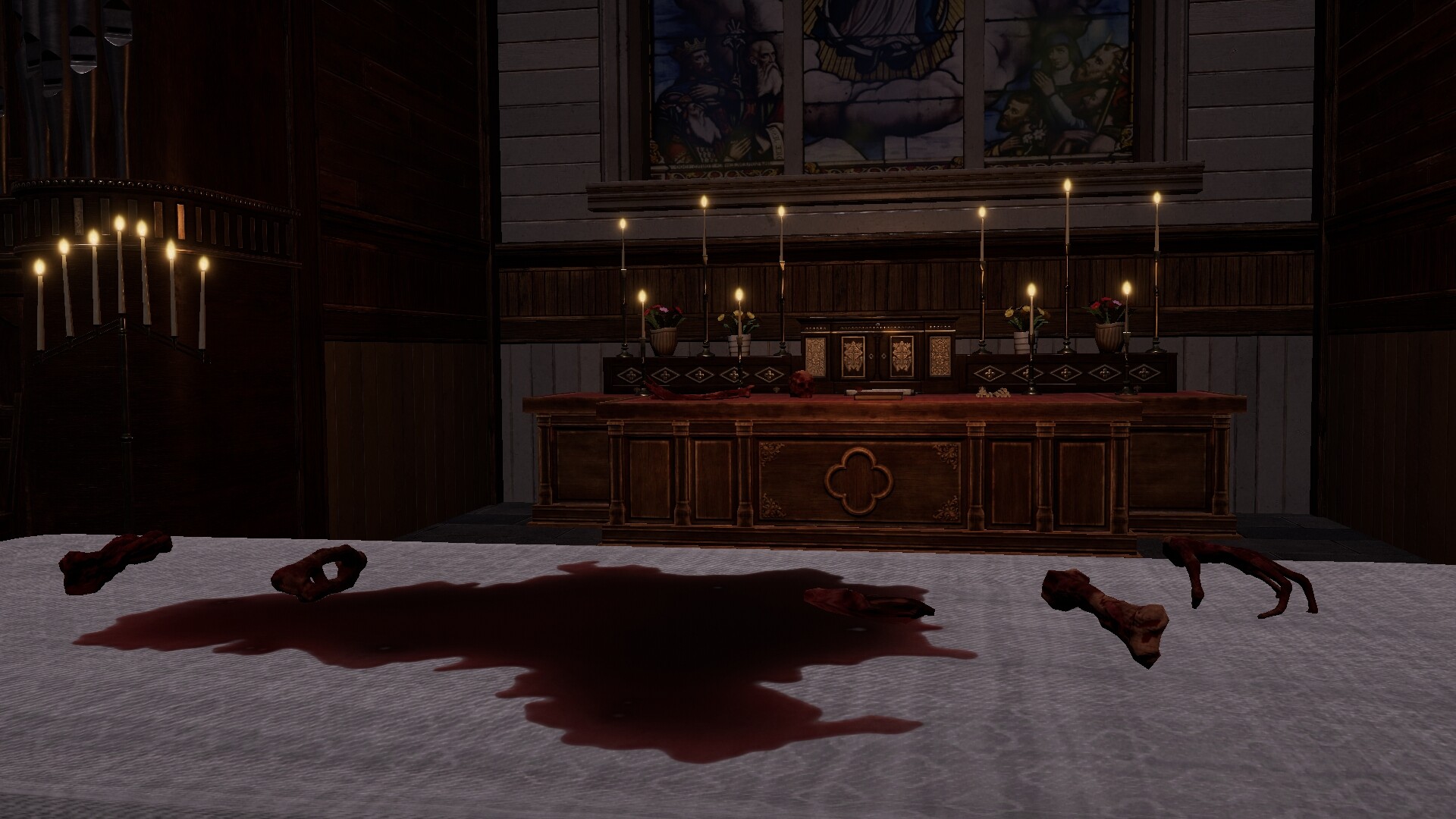
When and where — Steam availability
Trace of the Villa released on 28 May, 2026 and is listed on Steam. The game’s Steam page lists its developer and publisher as Steadyturtle Co., Ltd., classifies it under Action / Adventure / Indie, and includes accessibility-related categories such as Subtitle Options and Playable without Timed Input — useful signals for players prioritizing readability and pacing.
Why the locked-room, power-and-systems approach matters
The narrative design centers on methodical reconstruction: restoring power isn’t a decorative beat, it’s a primary mechanic that changes what is discoverable. That design decision transforms the mansion from a static diorama into a tiered puzzle space — systems reawaken, safes and secured compartments become solvable nodes in larger clue chains, and documents provide breadcrumbs for timeline reconstruction. For players who prize environmental storytelling and forensic assembly of motives and logistics, that interplay between mechanics and narrative provides a convincing investigative loop.
How progression, clues and puzzles are presented
- Systems-first progression: expect checkpoints of discovery tied to reactivating power or other estate infrastructure that unlock new areas and puzzles.
- Document-driven context: encrypted records and manifests act as both puzzle inputs and story fragments — reading, cross-referencing and following leads is core to advancement.
- Safes and hidden compartments: classical escape-room elements recombined with a narrative of falsified identities and suspicious transfers, so problem-solving often leads to a new piece of the operation.
- Environmental reading: furnished rooms “erased” of photos and names encourage players to infer history from staged absence and object placement.
Player scenarios — which playstyles will enjoy Trace of the Villa
- Slow detective: You prefer to sit with a single room and systematically catalogue every scrap of paper, wiring diagram and ledger to reconstruct a timeline. This game’s safes-and-documents model rewards that patience.
- Environmental storyteller: You like puzzles that are also world-building — discovering why identities were removed and how the mansion functioned as a controlled waypoint will interest you.
- Accessibility-conscious player: You need subtitle options and non-timed puzzle flow; the Steam categories indicate support for subtitle options and playable without timed input.
- Not for you if: you want constant action, multiplayer escape-room chaos, or fast-paced platforming — Trace of the Villa stresses investigative pacing and narrative assembly.
How it compares — editorial side-by-side
| Title | Genre | Atmosphere | Puzzle focus | Exploration style | Story tone / Pacing | Player fit |
|---|---|---|---|---|---|---|
| Trace of the Villa | Action / Adventure / Indie | Decaying mansion, erased identities, methodical | Systems, safes, documents — clue chains | Single-player, investigative, environment-first | Slow-burn, investigative, reveals via recovered systems | Players who like forensic environmental storytelling and puzzle-led narrative |
| The Room | Adventure / Indie | Mysterious, intimate puzzle cabinet rooms | Mechanical puzzles, safes and locks | Isolated puzzle chamber, tactile inspection | Focused, puzzle-centric, contained | Players who like intricate, object-based puzzle boxes |
| The Room Two | Adventure / Indie | Cryptic, atmospheric, expanding scope | Complex lock-and-mechanism puzzles | Series of connected puzzle environments | Expands on intimate puzzles with a broader mood | Players wanting layered mechanical puzzles with atmosphere |
| Escape Simulator | Adventure / Casual / Indie / Simulation | Varied, often playful or community-driven | Highly interactive object puzzles, physics | Room-scale, sandbox, workshop/community levels | Variable pacing depending on room and co-op | Players who like interactive object puzzles and community content |
| Hi-Fi RUSH | Action | Energetic, music-driven | Steam page
Leave a Reply