
Trace of the Villa — an escape-room style mystery built around power, safes, and paper trails
Trace of the Villa drops you into Jin’s hunt through a remote, decaying mansion where restoring power and reading the environment are the primary tools for uncovering a staggered chain of clues. The game foregrounds locked doors, secured systems, safes and fragments of documents as the connective tissue of its mystery-driven progression.

Quick facts
| Title | Trace of the Villa |
|---|---|
| Steam appid | 3483660 |
| Release date | 28 May, 2026 |
| Developer | Steadyturtle Co., Ltd. |
| Publisher | Steadyturtle Co., Ltd. |
| Genres | Action, Adventure, Indie |
| Key categories | Single-player; Color Alternatives; Custom Volume Controls; Playable without Timed Input; Subtitle Options; Family Sharing |
Who this is for
If you prefer atmospheric mystery adventures and story-rich exploration over run-and-gun action, Trace of the Villa will likely fit your taste. The game targets players who enjoy slow-burn suspense, environmental storytelling, and puzzle work that feels like investigative tradecraft: restoring power to rooms, examining secured systems, opening safes, and reading partial documents to extend a chain of clues.
What the game is (the premise and mechanics)
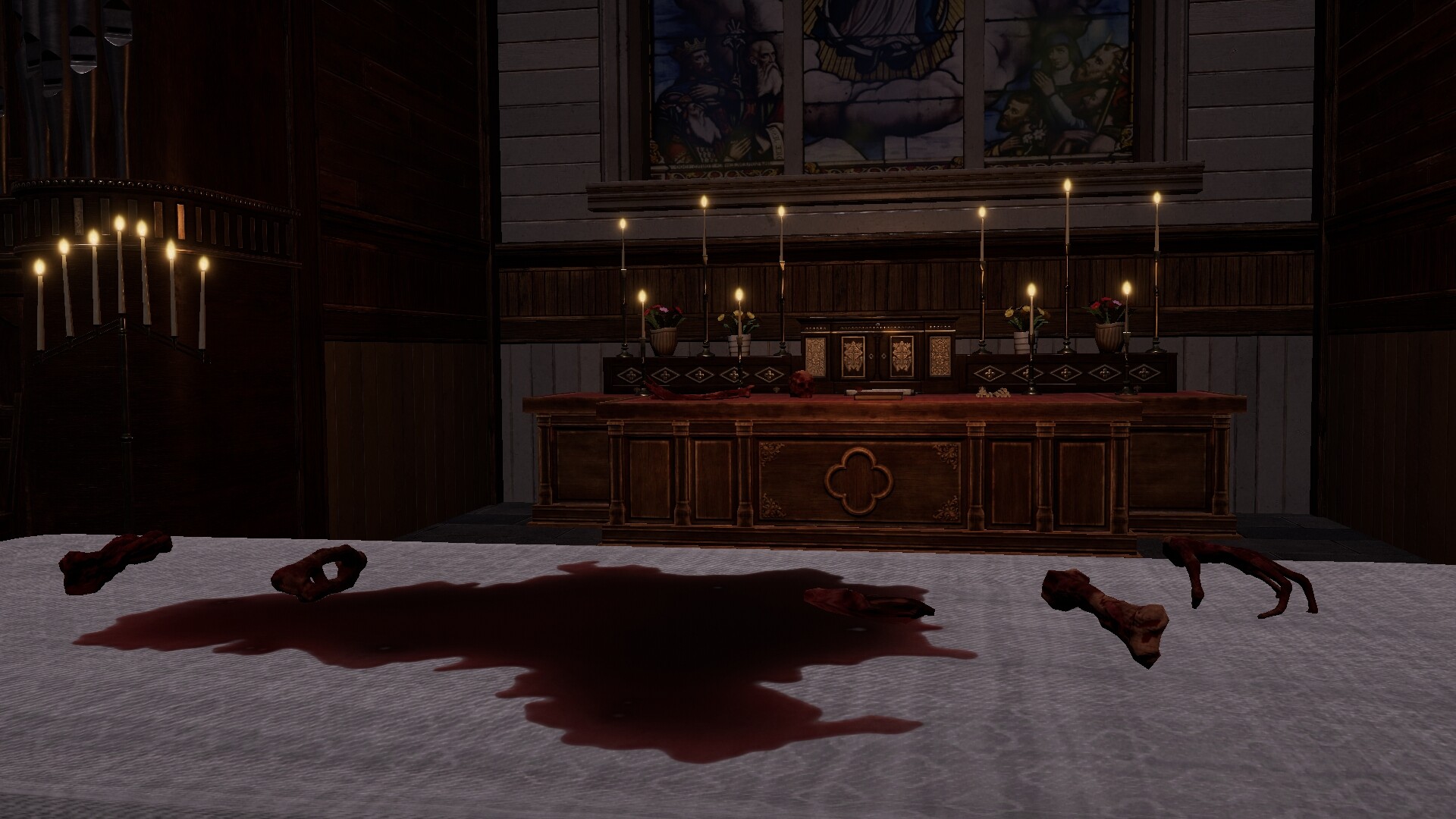
Official Steam materials frame Trace of the Villa around Jin, a protagonist searching for his missing sister. The mansion Jin enters is described as cut off from the grid and deliberately forgotten; restoring power is a named gameplay trigger. The Steam description says: when Jin restores power, “secured systems come back online. Hidden compartments unlock. Safes yield fragments of encrypted documents and suspicious transfer records.” Those recovered artifacts form clue chains that connect financial trails, falsified identities and evidence of controlled movements through the property.

When and where (Steam/PC context)
Trace of the Villa released on Steam on 28 May, 2026. It is published and developed by Steadyturtle Co., Ltd., and listed with Action / Adventure / Indie genres. Steam categories explicitly note single-player support, subtitle options, custom volume controls, color alternatives and a “playable without timed input” tag—useful details for players who value accessibility and a deliberate, untimed approach to puzzles.
Why the theme matters — locked-room thinking and environmental reading
Locked-room thinking in Trace of the Villa is less about contrived puzzle boxes and more about systems restoration and forensic reading. The Steam description makes the design intent clear: restoring utilities causes systems to react, safes to yield fragments, and documents to stitch together a timeline. That design rewards patient investigators who infer relationships between objects, piece together partial records, and treat the mansion itself as an interrogatable witness.
How progression and clue chains operate
- Power-as-trigger: Re‑energizing sections of the estate is explicitly called out in Steam text as a way to make “secured systems come back online” and reveal new interactions.
- Systems and safes: Safes and secured compartments provide fragments and encrypted documents—Steam’s official description links these drops to suspicious transfer records and falsified identities.
- Document archaeology: Rather than relying on single-solution puzzles, the game appears to distribute narrative evidence across items and systems, forcing players to cross-reference partial records to form a coherent trail.
Player scenarios — who should wishlist this
Consider adding Trace of the Villa to your wishlist if you:
- Enjoy methodical, narrative puzzle design that prioritizes reading the environment and assembling a timeline from fragments.
- Prefer single-player, untimed investigation with accessibility options (subtitles, color alternatives, custom volume).
- Like mysteries driven by documents, safes, and system resets rather than action-heavy sequences—especially if you appreciate a slow, psychological investigation tone.
How it compares to nearby mystery/puzzle titles
| Title | Atmosphere / Tone | Puzzle focus | Exploration & pacing |
|---|---|---|---|
| Trace of the Villa | Slow‑burn mansion mystery, psychological investigation (official premise: missing sister, erased identities) | Power restoration, secured systems, safes, fragmented documents (clue‑chain driven) | Single‑player, untimed, emphasis on environmental reading and narrative assembly |
| The Room (series) | Contained, mechanical mystery—intimate, tactile puzzles | Intricate mechanical safes and devices (cast‑iron safes, carved locks) | Focused chambers with handcrafted puzzles; deliberate pacing and single‑player exploration |
| Escape Simulator | Lighthearted to tense escape‑room scenarios depending on room | Highly interactive object manipulation; physics and environment interactivity | Room‑based structure, solo or cooperative play, often faster‑paced and more sandboxed |
| Hi‑Fi RUSH | High‑energy, rhythm action (different in tone from mansion mysteries) | Combat and rhythm mechanics rather than document/safe puzzles | Paced around music and action; not designed as investigative exploration |
YouTube discovery
If you want trailers or gameplay clips, use this search path (results may include official and fan content): YouTube: Trace of the Villa trailer & gameplay.
Final take — who should pick it up
Trace of the Villa will appeal to players who prioritize environmental storytelling and puzzle chains over reflex tests: people who enjoy stepping back, powering up a house, unlocking a safe, piecing together a falsified transfer record and following that thread deeper. The Steam tags and categories support that intent—single‑player, untimed play and accessibility options make it friendly to slower investigative playstyles.
Steam page: Trace of the Villa on Steam
Referenced titles and trademarks belong to their respective owners. Comparisons in this article are editorial discovery only and not claims of endorsement or affiliation.
Leave a Reply