
Trace of the Villa: how clue reading, object logic and story puzzles act as evidence
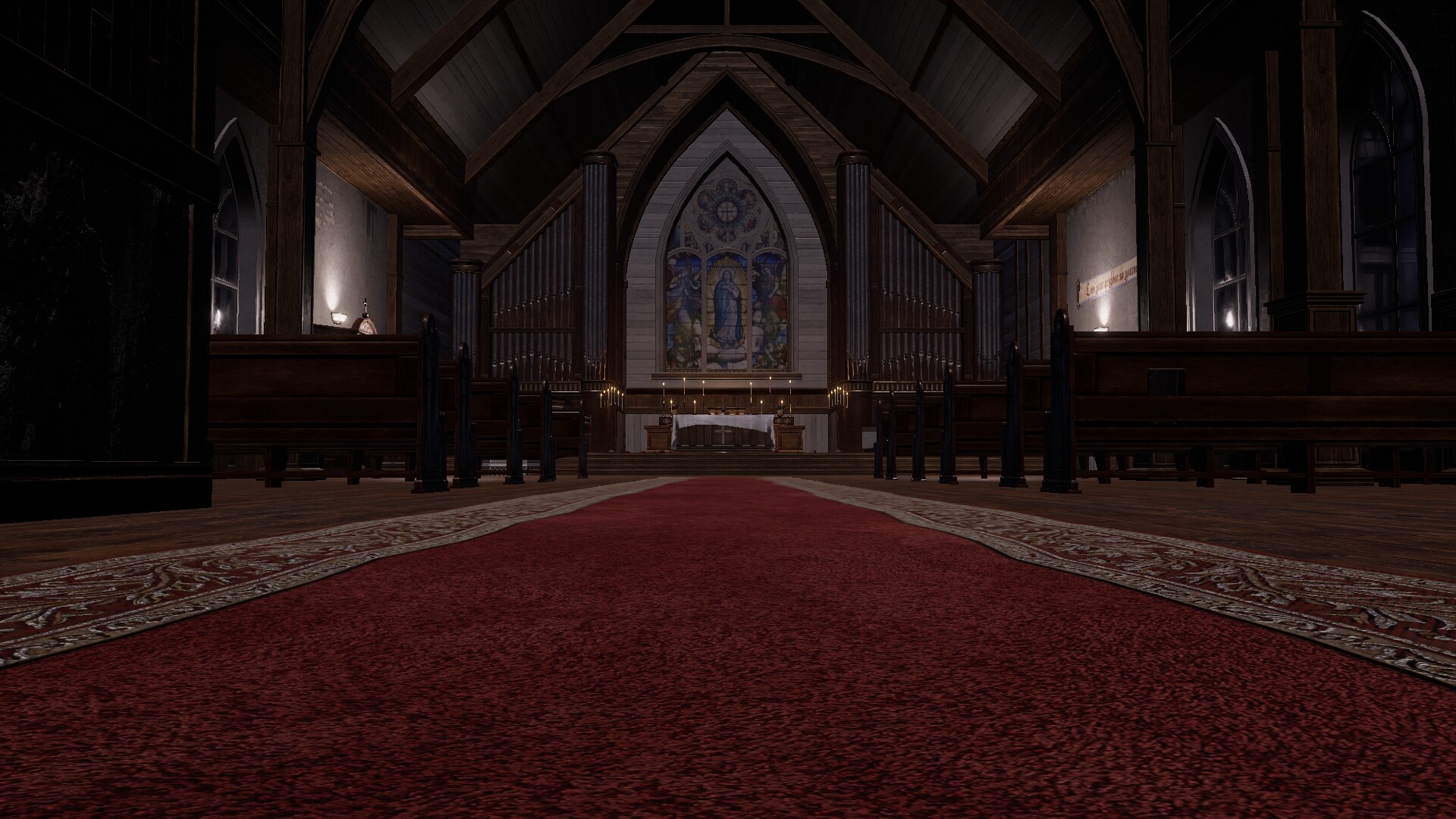
Trace of the Villa casts you as Jin, a man who follows a lead to a remote, decaying mansion and recovers manifests and hints that suggest his missing sister may still be alive. The game, developed and published by Steadyturtle Co., Ltd., uses locked rooms, restored systems and fragments of documents to make puzzles function as pieces of an evidentiary narrative.

Who, what, when, where, why, and how
Who is this for?
Players who prefer atmospheric mystery adventure and story-rich investigation on PC — those who enjoy environmental storytelling, slow-burn suspense and puzzles that double as clues — will find the premise appealing. The Steam page lists the game’s categories as Single-player (with accessibility options like Color Alternatives, Custom Volume Controls, Playable without Timed Input and Subtitle Options), which suits solo, careful exploration.
What is Trace of the Villa?
Trace of the Villa is an Action / Adventure / Indie title on Steam from Steadyturtle Co., Ltd. Its official short description centers on Jin’s search for his missing sister and the discovery of manifests and hints in a decaying mansion that point to a larger, concealed operation. Puzzle resolution reveals encrypted documents, safes and systems that were deliberately shut down — the puzzles are structured as evidence that advances the narrative.
When and where is it available?
Trace of the Villa released on 28 May, 2026 and is available on Steam for PC. The Steam product page and store widget are linked at the end of this article.
Why does the theme matter?
The mansion setting and the official description frame puzzles not just as mechanical obstacles but as investigative artifacts: manifests, transfer records and falsified identities are presented as findings. That makes each solved puzzle a narrative beat — information gained through object logic rather than exposition. If you enjoy piecing together timelines and building a case from environmental evidence, that narrative framing changes how puzzles feel and what they mean.
How you read clues and progress
According to the official description, progress in Trace of the Villa often comes from restoring systems (power, locked compartments), decrypting fragments, and following financial and identity traces. Object-based puzzles — safes, secured systems, hidden compartments — are used to reveal documents and records. The game positions those puzzle solutions as documentary evidence that reconstructs events and motives rather than as abstract riddles divorced from plot.
Visuals from the Steam page

Quick facts
| Title | Trace of the Villa |
|---|---|
| Steam AppID | 3483660 |
| Release date | 28 May, 2026 |
| Developer / Publisher | Steadyturtle Co., Ltd. |
| Genres | Action, Adventure, Indie |
| Categories | Single-player; Color Alternatives; Custom Volume Controls; Playable without Timed Input; Subtitle Options; Family Sharing |
| Official premise | Jin searches a decaying mansion and recovers manifests and hints suggesting his missing sister may still be alive. |
How Trace of the Villa compares (editorial discovery)
The following comparison highlights how Trace of the Villa situates itself among recent object- and evidence-driven puzzle adventures. This is an editorial comparison based on the official Steam descriptions and genre signals.
| Title | Core puzzle type | Story emphasis | Exploration style | Pacing | Best for players who… |
|---|---|---|---|---|---|
| Trace of the Villa | Object logic, restored systems, document fragments as evidence | Investigative, ties puzzles directly to uncovering financial/identity traces | Mansion-based, forensic room-by-room reconstruction | Slow-burn, methodical | Prefer clue-reading and environmental evidence that advances a mystery |
| The Room | Tactile safe-and-box puzzles with mechanical devices | Mystery through objects and notes; singular-room focus | Contained, intimate rooms with layered mechanisms | Focused and puzzle-dense | Enjoy mechanical, tactile puzzles and atmosphere |
| The Room Two | Expanded mechanical puzzles and environments | Continues the object-driven mystery across varied locales | Series of distinct chambers and set pieces | Steady puzzle escalation | Like chained puzzle sequences and escalating complexity |
| Escape Simulator | Highly interactive escape-room puzzles; physical manipulation | Light narrative — design favors player-crafted challenges | Modular rooms, community-made levels | Variable; can be fast or slow depending on room | Want sandboxy, hands-on puzzle interaction and co-op options |
| Unpacking | Zen, placement and context-reading puzzles | Domestic storytelling revealed through possessions | Linear scene-by-scene homes | Calm, reflective | Prefer low-pressure, narrative-through-objects experiences |
Player scenarios — who should wishlist it
- Evidence-driven investigators: You want puzzles that yield documents and operational traces, not just keys. You treat each solved lock as a piece of a case file.
- Slow-burn atmosphere fans: You prefer a guided, methodical reveal where restoring power and unlocking safes gradually reconstructs events.
- Players who value accessibility: The Steam categories include Subtitle Options, Playable without Timed Input and Color Alternatives — useful if you need adjustable pacing and clarity while reading clues.
YouTube discovery
Looking for trailers or gameplay videos? Use YouTube search to find Trace of the Villa trailer and gameplay: Trace of the Villa — YouTube search. This link is a discovery path and does not confirm a specific official video.
View Trace of the Villa on Steam
Disclaimer: Referenced titles and trademarks belong to their respective owners. Comparisons in this article are editorial discovery only and are based on official descriptions and genre/context signals provided on Steam.
Leave a Reply