
Trace of the Villa — a slow-burn mansion mystery built around missing pieces of a life
Trace of the Villa follows Jin, a man whose years-long search for his missing sister leads him to a remote, decaying mansion full of erased lives and carefully hidden records. The game frames investigation as emotional labor: recovering manifests, restoring systems, and deciphering encrypted fragments that might point to whether his sister is still alive.

Quick facts
| Title | Trace of the Villa |
|---|---|
| Release date | 28 May, 2026 |
| Developer / Publisher | Steadyturtle Co., Ltd. |
| Steam App ID | 3483660 |
| Genres | Action, Adventure, Indie |
| Key categories / accessibility | Single-player; Color Alternatives; Custom Volume Controls; Playable without Timed Input; Subtitle Options; Family Sharing |
| Official premise | Jin searches a remote, decaying mansion and recovers manifests and hints that his missing sister may still be alive somewhere at the end of the trail. |
Who this is for
If you prize narrative curiosity over loud spectacle, Trace of the Villa is aimed at players who like their mysteries patient and clue-driven. Expect slow-burn suspense: people, places, and paperwork that only reveal meaning over time. The game’s focus on manifests, encrypted documents and falsified identities will appeal to players who enjoy environmental storytelling and piecing together a backstory from indirect evidence.
What the game is
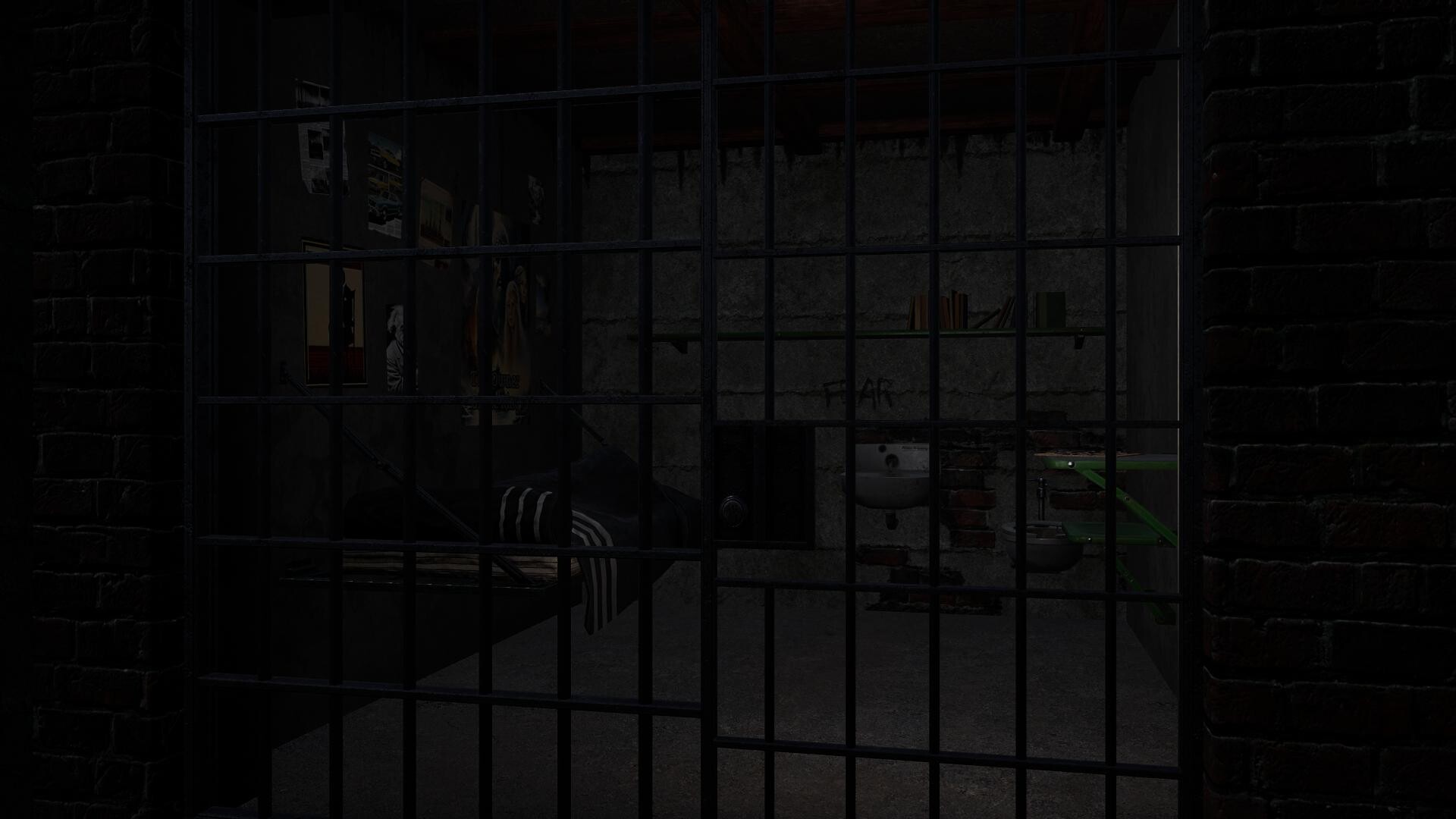
Trace of the Villa is an atmospheric action-adventure indie from Steadyturtle Co., Ltd. The official description positions it as a psychological investigation: Jin arrives at a property “cut off from the grid and deliberately forgotten,” where rooms feel “less abandoned than erased.” Restoring power reactivates secured systems and uncovers hidden compartments, safes, and fragments of encrypted records that outline a carefully concealed operation.

When and where
Trace of the Villa released on 28 May, 2026 and is available on Steam for PC. The Steam page lists developer and publisher as Steadyturtle Co., Ltd., and identifies the game under Action / Adventure / Indie. The store page also notes accessibility and comfort options like color alternatives, custom volume controls, and subtitles.
Why the theme matters
The emotional stake here is personal: Jin’s investigation is driven by a missing sister rather than a generic mystery hook. That raises the narrative stakes because every clue you find is not just an abstract puzzle — it’s a potential lead on a person. The mansion’s sense of “erasure” (furnished rooms with no names, falsified identities, arrivals without records) shapes a tone that’s less about jump scares and more about the uncanny absence of history. For players attracted to psychological investigations, that human focus makes each unlocked system and decrypted file feel consequential.
How you progress
Progression, per the official description, is forensic and systems-based: Jin recovers manifests, restores power to reveal secured systems, opens hidden compartments and safes, and gathers encrypted documents and transfer records. Each discovery unravels another layer of the estate’s operation — falsified identities, movements masked behind false records — and ties back into the central question about Jin’s sister. The game emphasizes reading traces (documents, system logs, manifests) and using environmental evidence to reconstruct timelines.
Player scenarios — who should wishlist it
- Investigative players who enjoy reconstructing a story from fragments: If you like gathering documents and interpreting what’s implied rather than spelled out, this is tailored to that rhythm.
- Fans of slow, atmosphere-first mystery: Players who favor mood, silence, and a creeping sense of wrongness over action-packed set pieces will find the mansion’s erased histories engaging.
- Accessibility-minded players who want adjustable comfort options: Steam categories list subtitles, color alternatives, custom volume controls, and “playable without timed input.”
- Those who want a personal narrative center: The protagonist’s search for a missing sister gives a clear emotional throughline for the investigation.
How Trace of the Villa compares — short editorial table
| Title | Atmosphere / Tone | Puzzle focus | Exploration style | Pacing |
|---|---|---|---|---|
| Trace of the Villa | Mansion-based, erased identities, personal stakes | Document forensics, secured systems, hidden compartments | Contained estate exploration, clue-driven | Slow-burn suspense |
| Inscryption | Inky, psychological horror | Card-based puzzles blended with escape-room elements | Tightly scripted, meta layers | Variable — tense and gamey |
| Outer Wilds | Wonder-tinged cosmic mystery | Environmental puzzles integrated with discovery | Open solar-system exploration | Exploratory, unfolds across loops |
| The Forgotten City | Ancient, moral mystery | Dialogue and time-loop puzzles | Closed world with narrative branches | Deliberate, narrative-driven |
| The Medium | Psychological horror, dual-realm | Puzzles that use two perspectives | Linear, cinematic exploration | Steady tension and set-piece beats |
| Journey | Minimalist, evocative | Environmental puzzles focused on traversal | Open, flowing landscapes | Quiet, contemplative |
Deciding whether to wishlist
Wishlist Trace of the Villa if you want an investigation where the main reward is understanding the human traces left behind — manifests, encrypted fragments, falsified records — and you prefer piecing together a hidden operation over combat-focused progression. If you prefer open-world discovery or heavy action, the mansion-contained, document-first approach may feel restrictive.
YouTube discovery
If you want trailer or gameplay footage, search YouTube for Trace of the Villa — this link is a discovery path rather than a verified official trailer: Search Trace of the Villa on YouTube.
View Trace of the Villa on Steam
Disclaimer: Referenced titles and trademarks belong to their respective owners; comparisons are editorial discovery only and not endorsements.
Leave a Reply