
Who should consider Trace of the Villa after enjoying atmospheric mystery adventures?
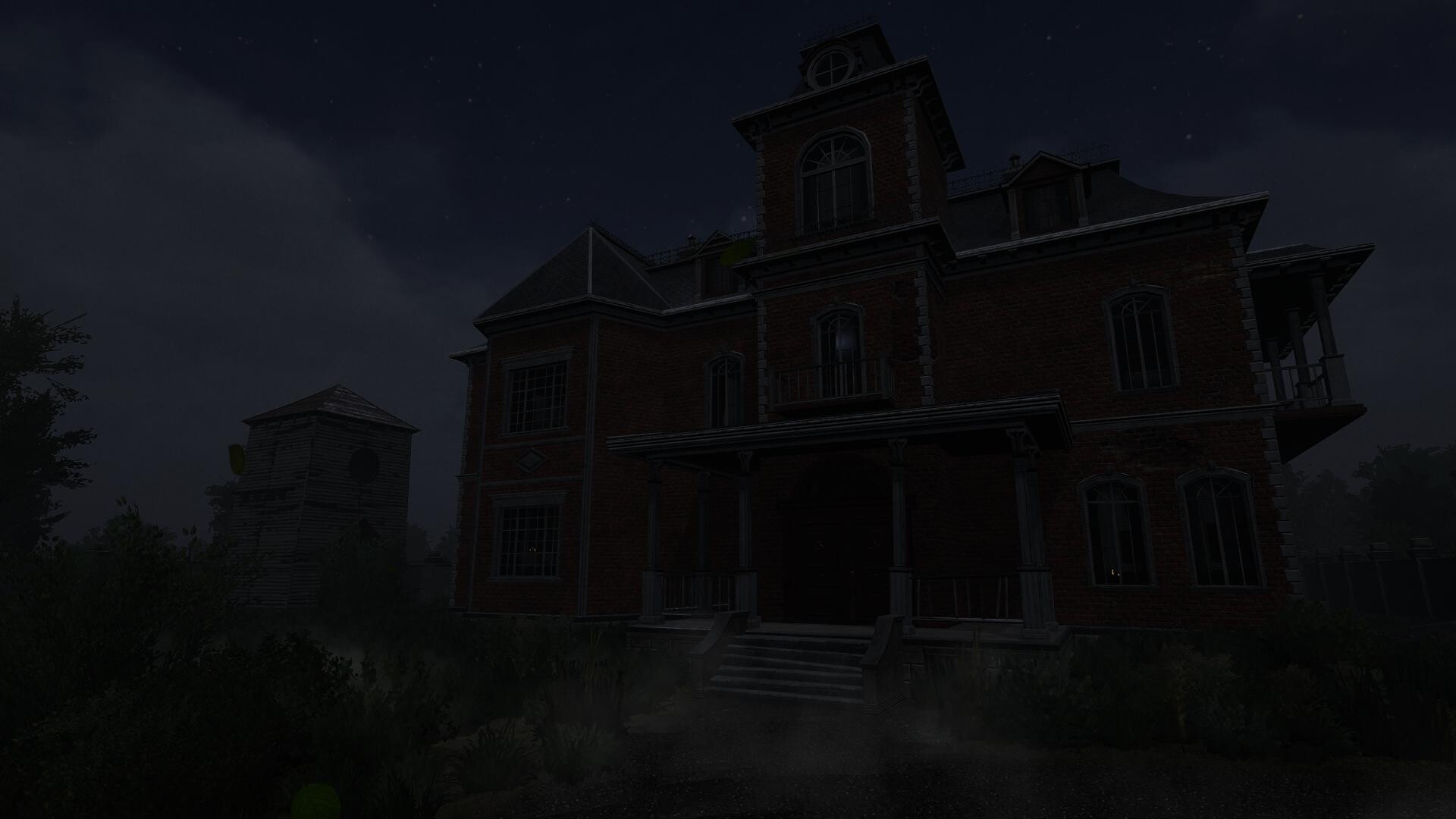
Trace of the Villa is a slow-burn, clue-driven mystery that asks you to read an abandoned estate like a crime scene: Jin’s search for his missing sister leads him to a deliberately forgotten, decaying mansion where manifests, encrypted fragments and falsified identities hint that people moved through this property under strict control. If you prize environmental evidence, forensic curiosity, and investigation that unfolds by restoring systems and unlocking layers of a house’s secrets, this Steam indie fits squarely in that lane.

Quick facts
| Title | Trace of the Villa |
|---|---|
| Release date | 28 May, 2026 |
| Developer / Publisher | Steadyturtle Co., Ltd. |
| Genres | Action, Adventure, Indie |
| Steam categories | Single-player, Color Alternatives, Custom Volume Controls, Playable without Timed Input, Subtitle Options, Family Sharing |
| Store | Trace of the Villa on Steam |
What the game is — a forensic, environmental investigation
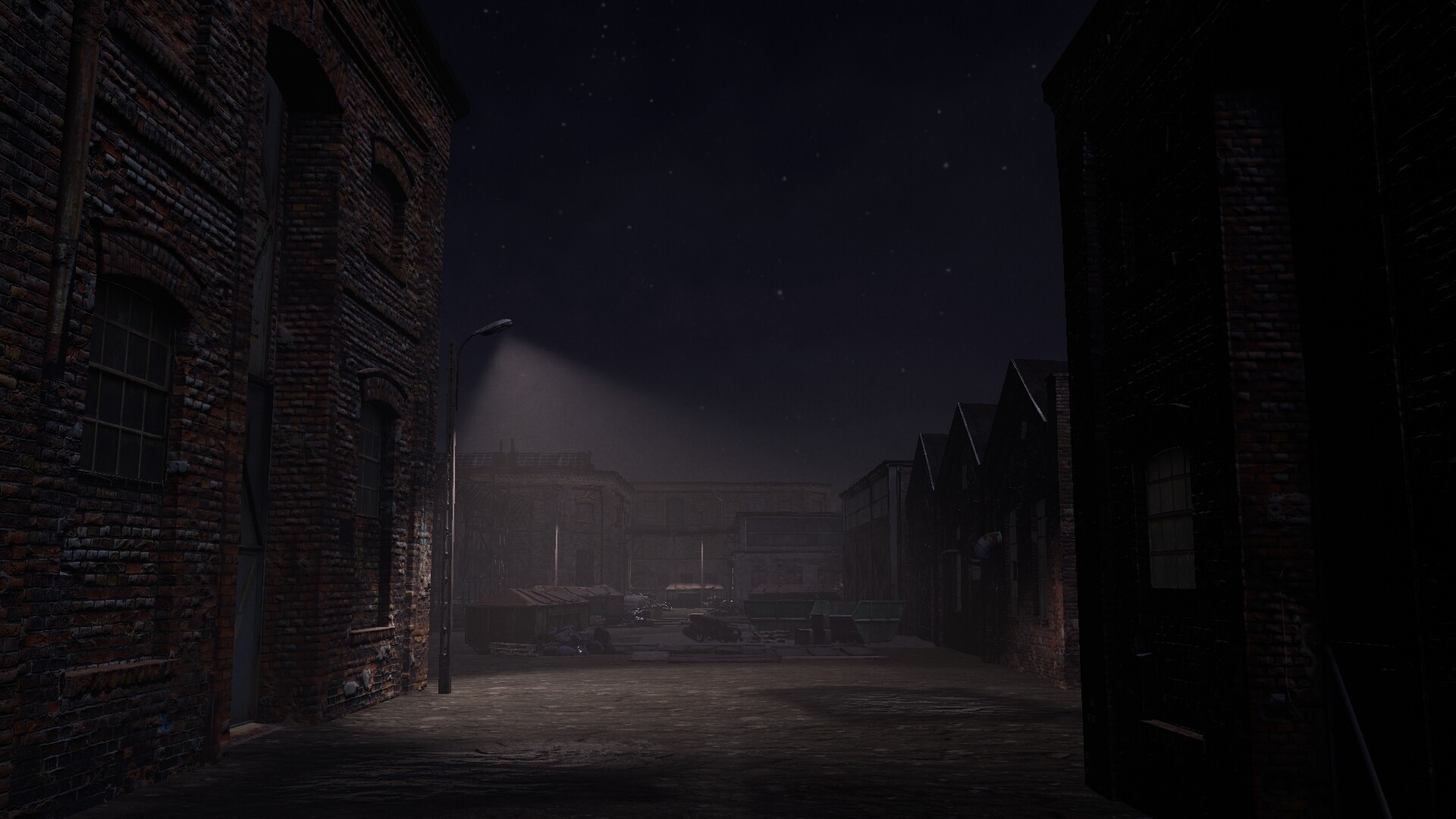
The official Steam description frames Trace of the Villa as a personal search that turns into an investigation of a property “cut off from the grid and deliberately forgotten.” Inside the mansion, rooms appear as if occupants vanished mid-routine; locked doors, hidden compartments and safes reveal manifests, encrypted documents and suspicious transfer records. When Jin restores power, secured systems come back online and the estate begins to reveal fragments of a carefully concealed operation — falsified identities, financial trails that dead-end, and arrivals or departures that leave no official trace.
When and where — Steam release details
Trace of the Villa launched on Steam on 28 May, 2026. The Steam store page lists Steadyturtle Co., Ltd. as both developer and publisher and classifies the game under Action, Adventure and Indie with single-player and accessibility-friendly categories like subtitle options and no timed input.
Why the abandoned-estate angle matters
If you respond to atmosphere assembled from objects rather than exposition, the abandoned-estate setup rewards patience. Evidence here is environmental — manifests, personal belongings left in situ, powered-down systems that hide information until you reactivate them. That design favors players who enjoy building a timeline from small artifacts and who want narrative tension derived from piecing together how people lived, worked and vanished from a place.
How you investigate in Trace of the Villa
The Steam description outlines a specific investigative rhythm: restore power, let systems reveal what’s hidden, open locked doors and safes, and follow document fragments and suspicious transfer records to assemble a timeline. Progress is less about twitch reflexes and more about reading environmental clues and connecting discreet pieces of evidence — encrypted documents, manifests, and signs of controlled movement through the estate.
Who should wishlist Trace of the Villa?
- Players who prefer environmental storytelling over overt narration — you want to infer events from objects, power states and documents.
- Fans of slow-burn mystery and forensic curiosity — if you enjoy reconstructing timelines from manifests, encrypted fragments and suspicious transfer records, this fits.
- Those who liked mansion or estate-set mysteries where the location itself is the primary puzzle and the mood is quietly oppressive.
- Gamers who prefer accessibility options like subtitles and no timed-input gameplay and a single-player, story-focused experience.
- Players who want a narrative that becomes personal — the protagonist Jin is searching for his missing sister, and that personal stake shapes the investigation.
Player scenarios — concrete examples
Scenario A: You finished Layers of Fear and want another mansion that emphasizes atmosphere and the slow reveal of a household’s secrets. Trace of the Villa keeps the setting-focused storytelling but centers evidence and documents rather than hallucination mechanics.
Scenario B: You enjoyed the methodical unpacking of a mystery in The Room and appreciate gadgets and puzzles that expose a story. If you want that kind of clue-by-clue logic inside a larger estate, this is a natural next stop.
Scenario C: You appreciated SOMA or Amnesia for their oppressive tone but want an investigation with more emphasis on documents and financial traces instead of outright survival horror. Trace of the Villa trades some of the survival framing for a forensic, paperwork-driven trail.
Scenario D: You play point-and-click puzzle games like Rusty Lake Hotel for their eerie, self-contained episodes; if you’d like a single, connected estate to explore with artifacts pointing to a larger operation, Trace of the Villa aligns with that appetite.
How it compares to nearby mysteries on Steam
| Title | Year | Atmosphere | Puzzle focus | Exploration style | Pacing |
|---|---|---|---|---|---|
| Trace of the Villa | 2026 | Decaying mansion, evidence-driven | Document manifests, encrypted fragments, locked safes | Estate-scale exploration, systems restoration | Slow-burn, investigative |
| Amnesia: The Dark Descent | 2010 | Immersive, survival horror | Environmental puzzles with survival tension | First-person, oppressive exploration | Tense, survival-driven |
| SOMA | 2015 | Underwater sci-fi horror, existential | Puzzles tied to narrative and environment | Linear, atmospheric corridors and spaces | Slow to tense, story-heavy |
| Layers of Fear (2016) | 2016 | Psychological, Victorian mansion | Story-driven puzzles, shifting spaces | Mansion-focused, shifting rooms | Atmospheric, narrative-focused |
| The Room | 2014 | Locked-box mystery, tactile puzzle | Mechanical puzzle boxes and clever contraptions | Contained, single-room puzzle focus | Focused, puzzle-centric |
| Rusty Lake Hotel | 2016 | Dark, eerie point-and-click | Inventory and logic puzzles in short chapters | Episode-based, small locations | Compact, puzzle-episodic |
Leave a Reply