
Trace of the Villa — a story-first mansion mystery that asks you to read absence
Jin arrives at a decaying, off-grid mansion with a single personal goal: find his missing sister. Trace of the Villa threads environmental storytelling, encrypted fragments, and slow-burn investigation into a narrative-focused experience where the house itself resists being known.

| Title | Trace of the Villa |
|---|---|
| Developer / Publisher | Steadyturtle Co., Ltd. |
| Release date | 28 May, 2026 |
| Genres | Action, Adventure, Indie |
| Categories / Features | Single-player; Color Alternatives; Custom Volume Controls; Playable without Timed Input; Subtitle Options; Family Sharing |
| Steam page | View Trace of the Villa on Steam |
Who: which players should watch the trail
If you prize story-first mystery design—where every drawer and powered circuit can be a sentence in a larger statement—Trace of the Villa will likely be of interest. The game fits players who prefer evidence-driven exploration and slow-burn suspense over twitch horror or fast-paced action. The presence of subtitle options, color alternatives, and “playable without timed input” suggests the team intended accessibility for careful investigators rather than reflex-heavy audiences.
What: the premise and narrative expectations
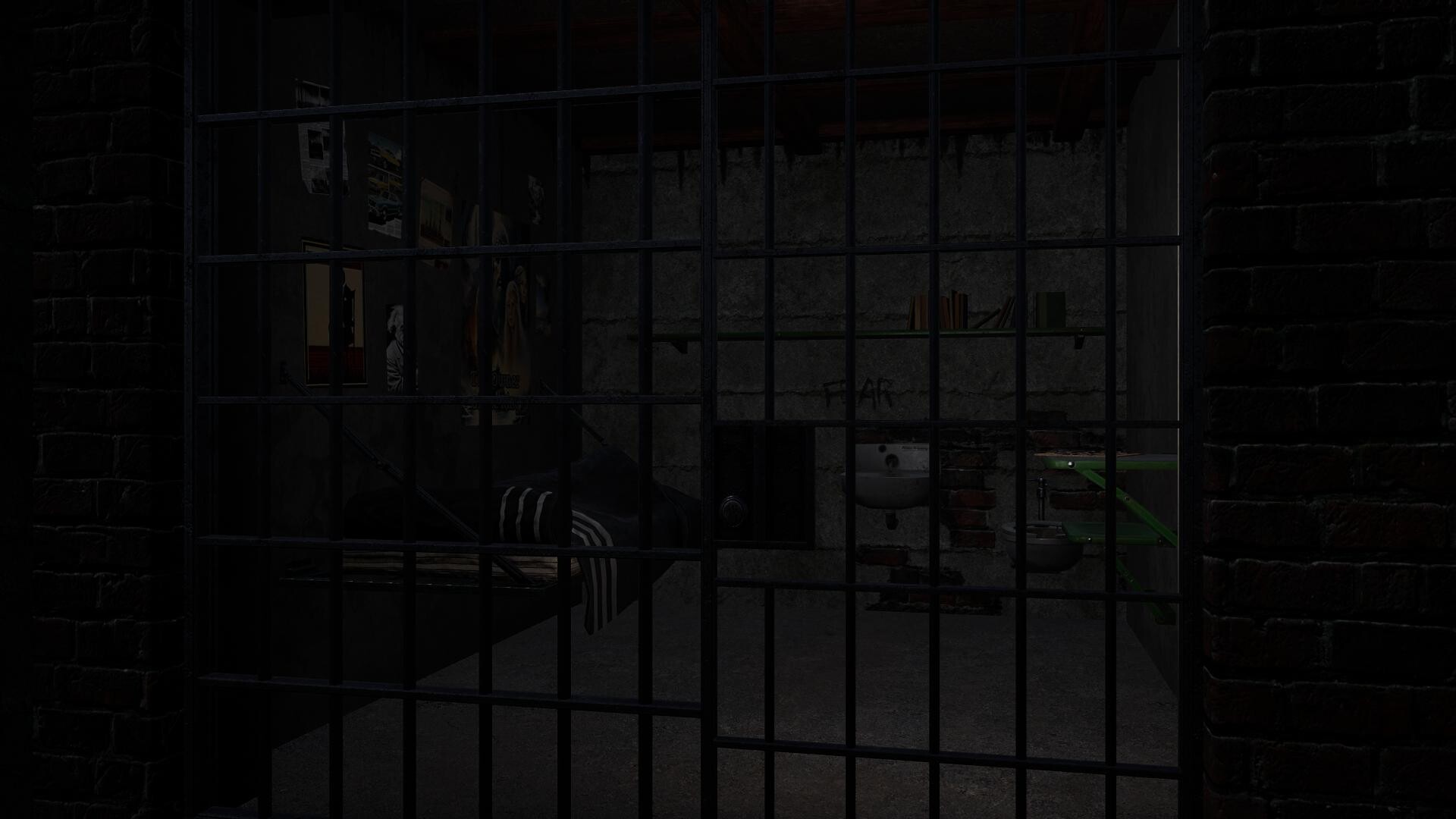
Officially described on Steam: Jin has spent years searching for his missing sister and follows a lead to a remote, decaying mansion. Inside, the estate feels “less abandoned than erased”: furnished rooms with absent names or photographs, locked doors, encrypted documents, and suspicious financial traces. The plot cue is simple and personal—the trail is about family—but the gameplay reveal cadence is built around restoring systems, unlocking compartments, and following fragments of falsified records that hint at a larger, deliberately concealed operation.
When & Where: availability and Steam context
Trace of the Villa launched on Steam on 28 May, 2026. The Steam page lists Steadyturtle Co., Ltd. as both developer and publisher and positions the title in Action / Adventure / Indie genres with single-player and several accessibility options enabled.
Why the theme matters: erasure as a narrative mechanic
Many mystery games use absence as a clue—missing people, blank files, or redacted logs—but Trace of the Villa foregrounds a specific kind of absence: identities and records deliberately removed. That makes the act of reading the environment the primary storytelling device. Restoring power and systems to the estate is literal and metaphorical; each returned UI tile, unlocked safe, or decrypted manifest is a small act of reconstitution that reframes what the mansion once was. For players who enjoy reconstructive detective work, that premise promises layered payoffs as isolated fragments cohere into a timeline.

How: reading clues, restoring systems, and progressing
The official description emphasizes two interlocking systems: environmental investigation and system restoration. Players find manifests, encrypted documents, and transfer records. Restoring power brings systems back online and opens new lines of inquiry—hidden compartments, safes, and secured archives—that reveal additional fragments. Progression looks less like level gating and more like recursive discovery: solve a puzzle, recover a fragment, use that fragment to recontextualize the next space. That design rewards note-taking, cross-referencing clues, and patience.
Player scenarios: who will get the most from Trace of the Villa
- The slow-burn detective. You enjoy piecing timelines together from small artifacts and encrypted documents. You prefer pacing that favors interpretation over combat encounters.
- The environmental reader. You find atmosphere and small, staged details (a chair slightly pulled out, a cup half-full) to be as informative as any text log.
- The story-first adventurer who dislikes reflex pressure. With “playable without timed input” and subtitle options, the experience seems targeted at players who want to solve without artificial hurry.
- The accessibility-minded player. Color alternatives and custom volume controls show extra attention to players with sensory needs.
How Trace of the Villa compares to nearby story-driven mysteries
| Title | Genre / Core Focus | Atmosphere & Pacing | Puzzle / Exploration Style | Player fit |
|---|---|---|---|---|
| Trace of the Villa | Action / Adventure / Indie — narrative mystery | Slow-burn, suffocating domestic decay; investigative tension | Clue-driven: restore systems, decrypt documents, open secured spaces | Players who favor reconstruction of erased histories and atmospheric reading |
| Inscryption | Adventure / Indie / Strategy — card-centric, puzzle-horror hybrid | Inky, claustrophobic, often meta-textual; aggressive tonal shifts | Deckbuilding and escape-room style puzzles; emergent secrets on cards | Players who like mechanical mysteries and genre-bending reveals |
| Outer Wilds | Action / Adventure — open-world cosmic mystery | Expansive, meditative, and time-loop driven |
YouTube discoveryFor trailer and gameplay discovery, use YouTube search rather than relying on unverified embeds: Find Trace of the Villa trailer and gameplay searches on YouTube. CommentsMore posts |
Leave a Reply