
Trace of the Villa — An inspection-first mystery for players who read rooms like maps
Trace of the Villa (Steadyturtle Co., Ltd.) drops you into a decaying mansion where Jin follows manifests and encrypted fragments to find a missing sister. The game, released on 28 May, 2026 for PC via Steam, makes close observation, chained clues, and object logic the primary tools for forward motion rather than combat or reflex tests.

| Title | Trace of the Villa |
|---|---|
| Steam App ID | 3483660 |
| Release date | 28 May, 2026 |
| Developer / Publisher | Steadyturtle Co., Ltd. |
| Genres | Action, Adventure, Indie |
| Key categories | Single-player; Color Alternatives; Custom Volume Controls; Playable without Timed Input; Subtitle Options; Family Sharing |
| Short premise | Jin recovers manifests and hints in a remote, decaying mansion that suggest his missing sister may still be alive. |
Who this suits
If you favor inspection-heavy play—turning over objects, reading context, and building chains of evidence—Trace of the Villa is pitched at you. The Steam listing emphasizes environmental clues, encrypted documents and restored systems: players who enjoy slow-burn suspense and puzzle systems that reward careful note-taking and spatial memory will find the right fit. The game is single-player and lists accessibility options such as subtitle support and the ability to play without timed inputs, which also suits methodical puzzle solvers rather than twitch-focused players.
What the game is (and what it isn’t)
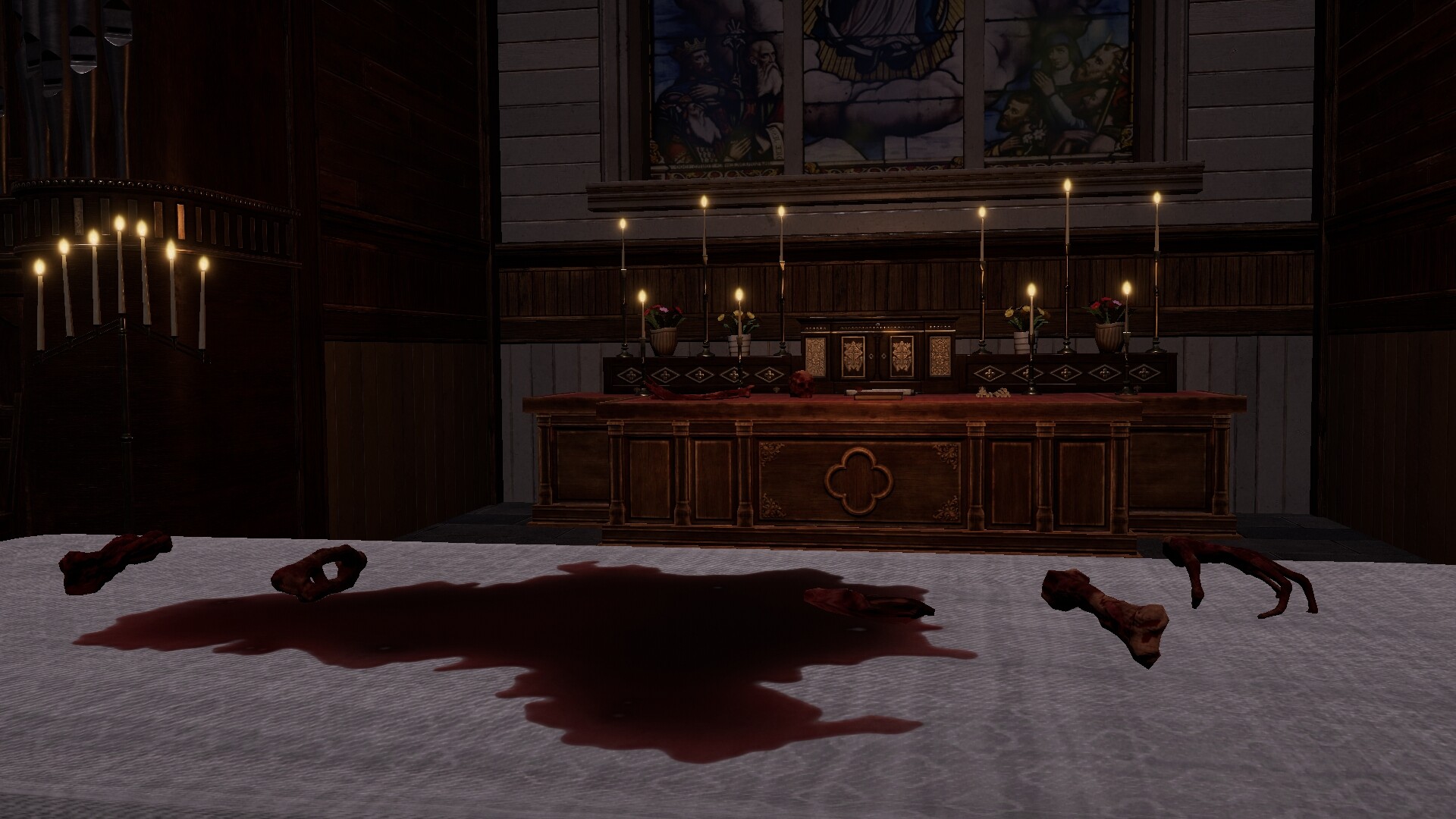
Official text frames Trace of the Villa as a narrative puzzle adventure centered on a mansion that feels “less abandoned than erased.” That phrasing signals a focus on atmospheric mystery and evidence-led investigation rather than action set-pieces. You restore power, unlock hidden compartments and sift through financial trails and falsified identities to assemble a timeline. While the genre tags include Action and Adventure, the description foregrounds investigation, encrypted documents and environmental reading — all hallmarks of clue-driven exploration and object logic puzzles.

When and where
Trace of the Villa launched on Steam on 28 May, 2026. It is available on PC via the Steam store page for the title.
Why the theme matters: erased identities and environmental storytelling
The game’s central conceit — a house that has been “erased” of names and photographs — orients it toward puzzles that are narrative-first. Environmental storytelling here isn’t background flavor: it’s the content of the mystery. This structure supports chained-clue design: solving one object-logic problem (open a safe, restore a terminal) yields documents that recontextualize other clues, turning rooms into interlinked nodes. Players who like pacing that mixes quiet examination with the occasional mechanical act of restoration will appreciate how narrative threads unfold through discovered artifacts rather than explicit exposition.
How you progress: inspection, object logic, and clue chains
According to the Steam description, progression in Trace of the Villa relies on reactivating estate systems, unlocking hidden compartments and decrypting fragments. That implies three overlapping puzzle disciplines:
- Object logic — treating items as combinable or as keys to mechanisms rather than purely symbolic tokens.
- Environmental puzzles — using room layout, visible wiring, or power restoration as multi-step puzzles that change the environment.
- Clue chaining — reading manifests and transfer records to form hypotheses that point to the next location or object to inspect.
This is not a speedrun-style escape room; the Steam metadata lists “Playable without Timed Input” and subtitle options, reinforcing that methodical inspection and reading matter more than quick reflexes.
Player scenarios — how different players will experience it
Methodical puzzler
You’ll set down virtual markers, keep a short timeline in your head or on paper, and return to rooms with new context. The reward is narrative clarity: each decrypted document refines the hypothesis of who passed through the estate.
Atmospheric explorer
You care about tone and slow-burn mystery. The mansion’s “erased” feeling and furnished-but-empty rooms are the core hooks; you’ll spend time reading the environment and letting atmosphere prime your expectations for each reveal.
Action-focused player
The title is tagged Action and Adventure, but the description and categories suggest you shouldn’t expect sustained combat or twitch mechanics. If you want fast-paced set pieces, this may feel paced slower than other action-leaning titles.
How it compares — closer looks at nearby mystery and puzzle titles
Below is a concise editorial comparison using lawful criteria: genre, atmosphere, puzzle focus, exploration style, story tone and pacing. These are meant to help you decide which title fits your taste.
| Title | Genre / Atmosphere | Puzzle focus | Exploration style | Story tone / Pacing | Player fit |
|---|---|---|---|---|---|
| Trace of the Villa | Action / Adventure / Indie — mansion mystery, erased identities | Object logic, environmental puzzles, document decryption | Room-by-room investigation with system restoration | Slow-burn, procedural reveals via found evidence | Inspection-first players who like narrative puzzle chains |
| The Room | Adventure / Indie — locked-box, mechanical curiosity | Mechanical, tactile puzzles on a focused object | Single-chamber, puzzle-box progression | Claustrophobic, tightly scripted puzzle beats | Players who enjoy dense, tactile object puzzles |
| The Room Two | Adventure / Indie — extends set-piece puzzle rooms | Layered mechanical puzzles, deliberate reveals | Multiple themed rooms with linked mechanisms | Methodical, theatrical puzzle pacing | Fans of puzzle-box design and escalating set pieces |
| Escape Simulator | Adventure / Casual / Indie — sandbox escape rooms | Highly interactive, physics and item combination | Open room interaction; community-made variety | Variable — from quick puzzles to elaborate farms | Players who like experimentation and co-op options |
| Hi‑Fi RUSH | Action — music-driven combat/adventure | Rhythm/action systems rather than investigative puzzles | Linear, combat-forward progression | Fast, upbeat and kinetic | Players who prefer action and rhythm over environmental reading |
| Football Manager 2022 | Simulation / Sports — management simulation | Data-driven decision-making; not puzzle-based | Interface-focused, menu-driven exploration | Slow, strategic pacing with emergent narrative | Players who like long-form strategy and record-keeping |
Editorial note: the comparison uses public descriptions and genre/contextual signals to place Trace of the Villa alongside other mystery and puzzle-forward experiences; it is intended to highlight fit rather than declare superiority.
Where to preview trailers and gameplay
For videos, use this YouTube search path to find trailers and gameplay clips: Search Trace of the Villa trailers & gameplay on YouTube. This link is a discovery path rather than a claim of an official channel.
View Trace of the Villa on Steam
Disclaimer: referenced titles and trademarks belong to
Leave a Reply