
Trace of the Villa: a slow-burn, inspection-heavy mansion mystery for clue-driven players
Trace of the Villa is an atmospheric mystery adventure about a lone investigator piecing together a vanished household’s secrets — a game built around object logic, environmental puzzles, and long chains of forensic reading. It rewards patient inspection more than twitchy reflexes: expect locked rooms, power restoration sequences, safes and encrypted fragments that open new avenues of evidence as you progress.

Quick facts
| Title | Trace of the Villa |
|---|---|
| Release date | 28 May, 2026 |
| Developer / Publisher | Steadyturtle Co., Ltd. |
| Steam AppID | 3483660 |
| Genres | Action, Adventure, Indie |
| Categories | Single-player; Color Alternatives; Custom Volume Controls; Playable without Timed Input; Subtitle Options; Family Sharing |
| Official short description | Jin has spent years searching for his missing sister, pursuing leads that took him to a remote, decaying mansion where he recovered manifests and hints that indicate his sister may still be alive, somewhere at the end of the trail he is about to follow. |
Who this is for
Trace of the Villa is aimed at players who prefer methodical, inspection-first play. If you enjoy environmental storytelling — reading notes, tracing financial and identity threads, and unlocking progress by making logical object-to-environment connections — this is likely to fit your tastes. The Steam page lists it under Action / Adventure / Indie but its design emphasis, per the official description, is investigative and puzzle-driven rather than fast-paced combat.
What the game is (the official premise)
The official short description and description on Steam set the tone: protagonist Jin follows a cold lead to a decaying mansion and recovers manifests and hints that imply his missing sister may still be alive. The fuller official description (excerpt) positions the estate as deliberately erased — furnished rooms with missing identities, locked doors, and secured systems that reveal fragments of encrypted documents, suspicious transfers, and falsified identities as power is restored. This frames the gameplay around discovery through reconstruction of records and environment.
When and where to play
Trace of the Villa released on Steam on 28 May, 2026 and is listed with standard PC/Steam metadata (developer and publisher: Steadyturtle Co., Ltd.; single-player categories and accessibility options like subtitles and no timed-input listed). Use the Steam store page to wishlist or buy:
Why the theme matters: erased identities and environmental storytelling
Mansion mysteries work when the environment itself is a witness. Trace of the Villa’s premise — rooms set mid-routine, missing photographs and names, falsified identities — shifts the puzzle focus from “how do I open this?” to “what does this absence mean?” That changes how clues are chained: objects are not just keys, they are evidence. Restoring power to locked systems that then reveal new documents is a design choice that enforces a forensic, layered approach to progression.
How you progress: object logic, environmental puzzles, and clue chains
According to Steam’s description, progression is driven by restoring systems and finding fragments (safe contents, encrypted documents, transfer records) that point to further leads. Practically this suggests three complementary puzzle types:
- Object logic: items behave as part of a coherent physical system—locks, power circuits, safes—so solving requires understanding object affordances and sequences rather than random trial-and-error.
- Environmental puzzles: the mansion’s layout and set dressing carry narrative weight; reading a room’s arrangement or what’s conspicuously absent becomes a clue.
- Clue chains and documents: recovered manifests and financial traces act as connective tissue; one decrypted fragment opens the next location or code, emphasizing sequential inspection.
That inspection-heavy loop makes the game feel like an escape-room crossed with a document-driven detective story: patience, note-taking (mental or literal), and systematic searching are rewarded.
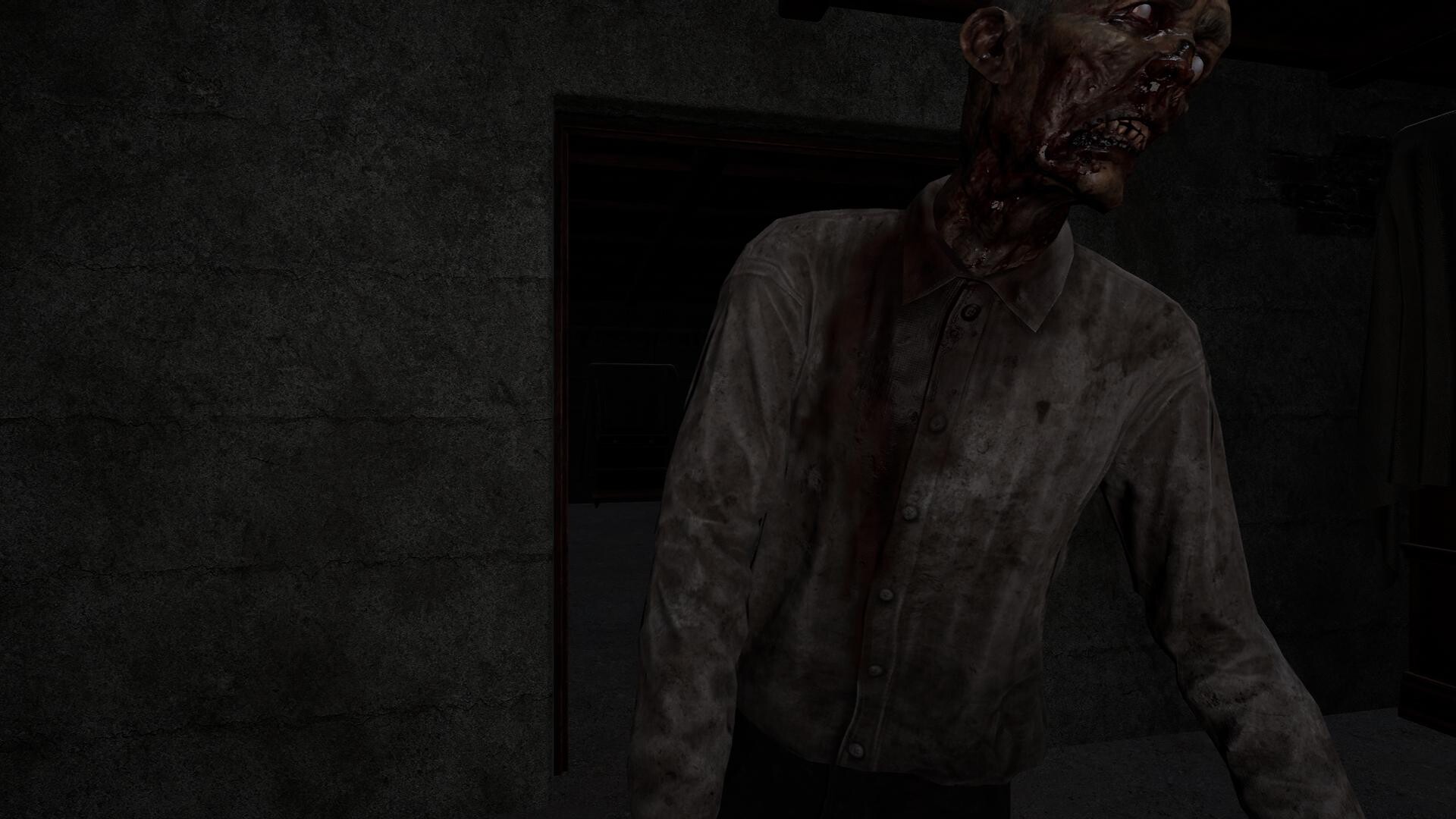
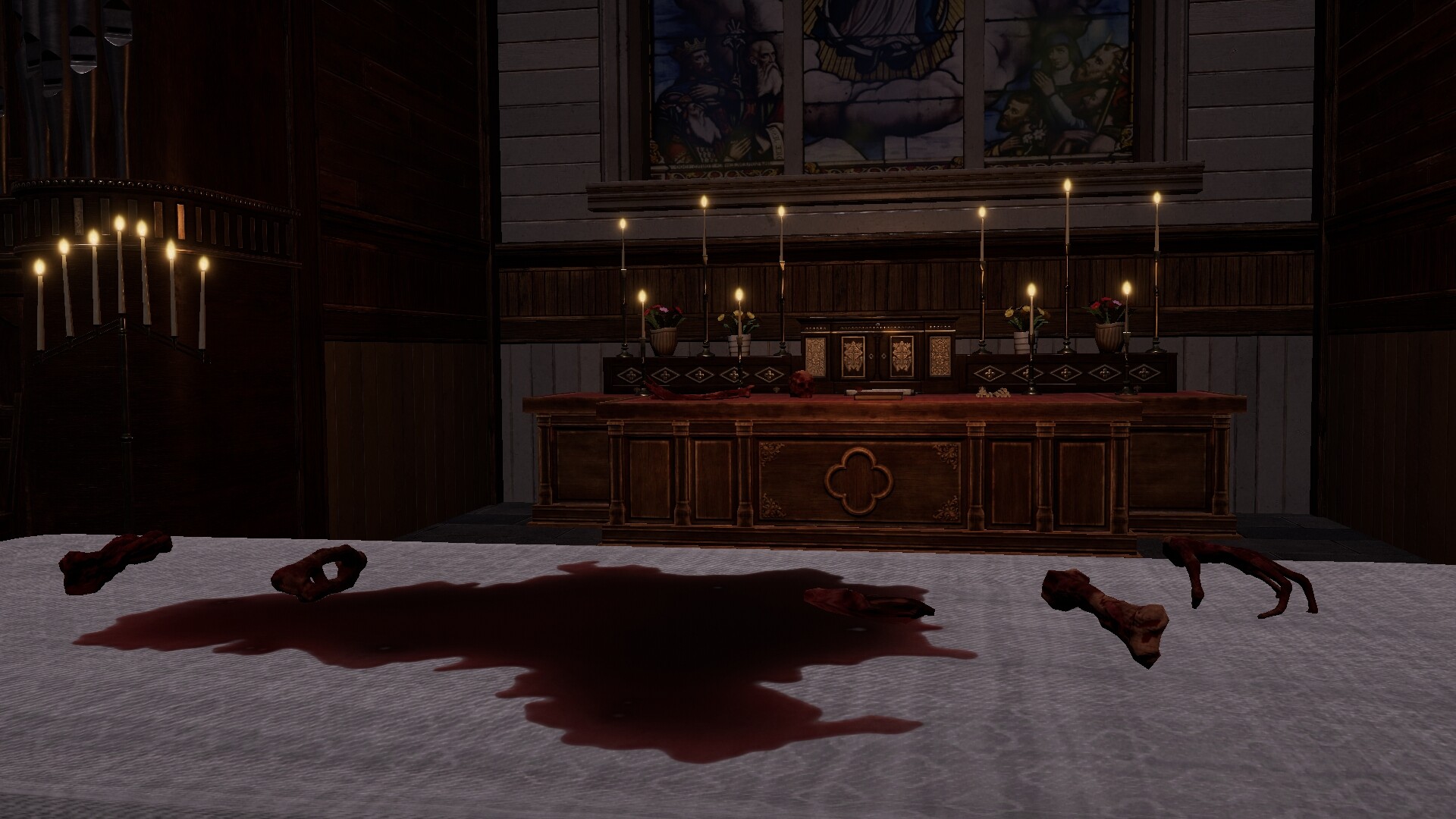
Player scenarios — who should wishlist this
Scenario 1: The forensic puzzle player
You take notes, cross-reference documents, and enjoy one long thread of discovery. If decoding encrypted fragments and tracing financial/identity anomalies sound appealing, wishlist Trace of the Villa.
Scenario 2: The atmospheric explorer
You prioritize tone and slow-burn suspense, letting room details accumulate a mood. The mansion-as-witness framework will reward careful observation and lingering in spaces to map narrative gaps.
Scenario 3: The methodical escape-room fan
You like structured sequences where solving one device or document opens the next area. The Steam description’s emphasis on restored systems and unlocked compartments suggests a multi-stage, inspection-led path similar to long-form escape puzzles.
Who might not enjoy this
If you prefer action-heavy pacing, frequent combat, or quick reflex challenges, the game’s investigative emphasis may feel slow. The Steam listing’s accessibility options (playable without timed input) reinforce that the experience favors deliberation over speed.
How it compares to nearby mystery / puzzle titles
Below is an editorial comparison focused on puzzle emphasis, atmosphere, exploration style, and player fit — intended to help you decide if Trace of the Villa matches what you like.
| Title | Release date | Puzzle / interaction focus | Atmosphere & pacing | Player fit |
|---|---|---|---|---|
| Trace of the Villa | 28 May, 2026 | Document-driven clue chains, object logic, locked-room systems | Mansion mystery, slow-burn, investigative | Inspection-first players who like layered evidence and environmental storytelling |
| The Room | 28 Jul, 2014 | Mechanical puzzle boxes and tactile object manipulation | Focused, solitary mystery; intimate and puzzle-centric | Players who enjoy handcrafted puzzle devices and tactile solutions |
| The Room Two | 5 Jul, 2016 | Expanded mechanical puzzles across multiple set pieces | Mystical, exploratory pacing with discrete puzzle scenes | Fans of puzzle-box progression with a continuous atmosphere |
| Escape Simulator | 19 Oct, 2021 | Highly interactive rooms, physics-based interactions, community levels | Variable (depends on room); often playful and tactile | Players who want high interactivity and co-op options or community content |
Editorial note: the comparisons above use genre, released dates, and published descriptions to highlight differences in puzzle design, atmosphere, and player fit. They are intended for discovery, not endorsement.
YouTube discovery
For trailer and gameplay discovery, use YouTube search rather than relying on unverified embeds: Find Trace of the Villa trailer and gameplay searches on YouTube.
Leave a Reply