
Trace of the Villa — a slow-burn mansion mystery built around reading what’s been erased
Trace of the Villa places you in Jin’s shoes: a determined search for a missing sister that leads to a remote, decaying mansion full of manifests, locked compartments and carefully wiped identities. Released on 28 May, 2026 by Steadyturtle Co., Ltd., the game launders clues through environmental storytelling and procedural reveals rather than loud scares.

Who this is for
If you favor atmospheric mystery adventure on PC — not run‑and‑gun horror or collectible-driven open worlds — Trace of the Villa targets players who enjoy slow-burn suspense, environmental storytelling, and narrative puzzle design. The game’s Steam page lists it as Action / Adventure / Indie and highlights single-player play with accessibility options like subtitle options and the ability to play without timed input, signaling a story-first experience rather than twitch-heavy mechanics.
What the game is
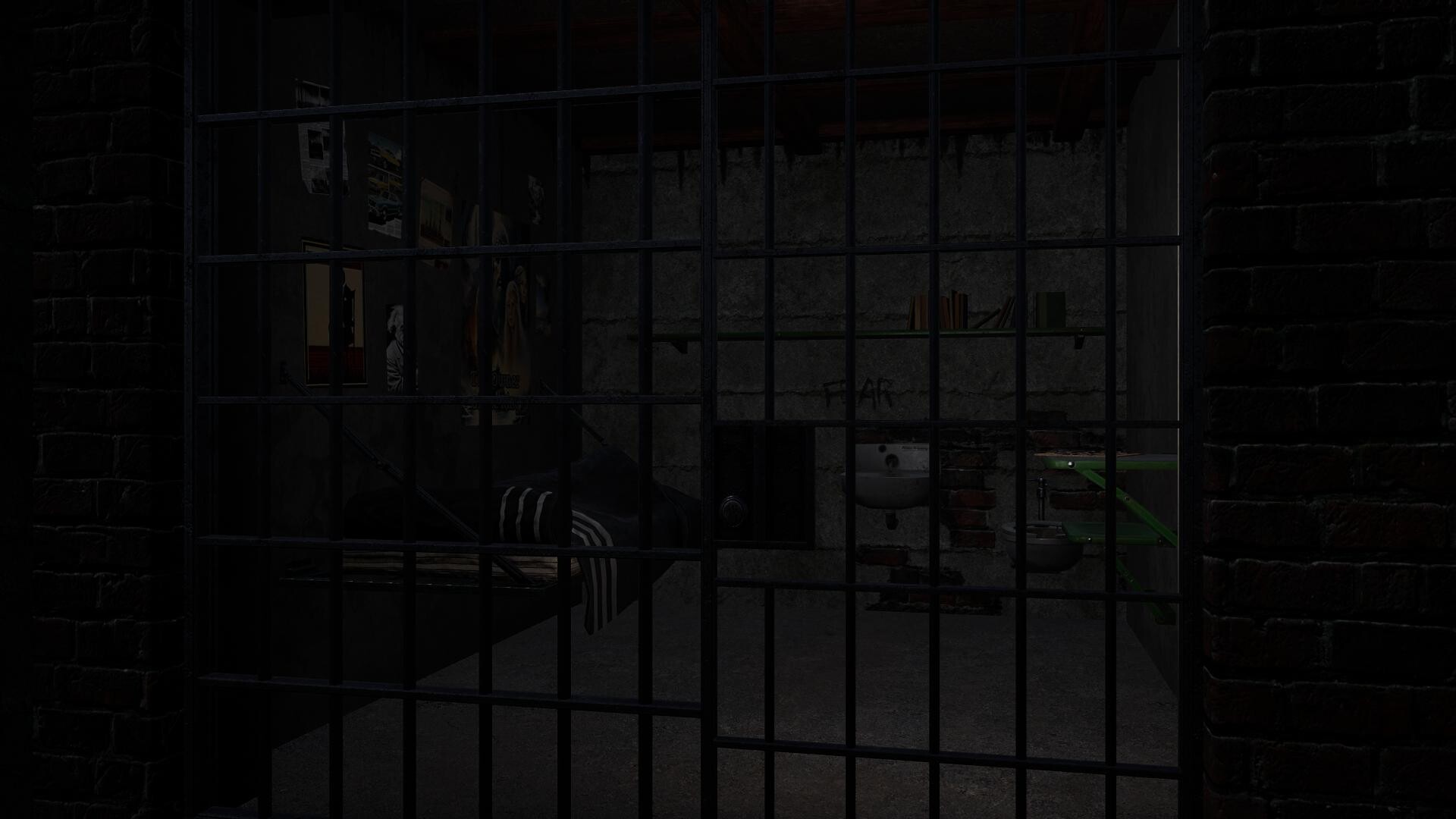
Trace of the Villa is a narrative mystery about Jin, who has spent years searching for his missing sister. A single lead brings him to a deliberately forgotten mansion that shows signs of occupancy but no recorded identities. As Jin restores power and access in the estate, secured systems come back online, hidden compartments unlock, and safes yield fragments of encrypted documents and suspicious transfer records. The official Steam description emphasizes manifests, falsified identities, financial trails that lead nowhere, and a pattern of arrivals without records — all clues the player pieces together to reconstruct what happened.

When and where
Trace of the Villa released on 28 May, 2026 and is available on Steam. It is presented by Steadyturtle Co., Ltd., who are listed as both developer and publisher on the Steam page. The Steam storefront lists the game’s genres as Action, Adventure and Indie, and categories include Single-player, Color Alternatives, Custom Volume Controls, Playable without Timed Input, Subtitle Options, and Family Sharing.
Why the theme matters
The central conceit — a place where identities appear to have been removed and systems deliberately obscured — reframes conventional mansion mysteries. Rather than a linear “find X then Y” route, the premise pushes players to reconstruct absent context from fragments: power traces, manifests, encrypted fragments and financial anomalies. That framing invites players to treat the environment like a ledger: every dusty room or power terminal is a potential data point. For players interested in narrative investigations and psychological undercurrents, that procedural unpeeling of motive and method delivers meaning through discovery.
How you progress: reading the house
Progression in Trace of the Villa, as described on the Steam page, hinges on restoring access and reading the artifacts the mansion returns. Key ways the story is revealed include:
- Restoring power to the estate so secured systems and locked mechanisms reactivate.
- Opening hidden compartments and safes that yield encrypted documents and suspicious transfer records.
- Collecting manifests and hints that form a trail — the Steam description specifically notes manifests and hints indicating Jin’s sister may still be alive somewhere on that trail.
- Piecing together patterns: arrivals without records, departures without witnesses, and movements masked behind falsified identities.
The tone on Steam suggests a puzzle-forward approach to narrative: clues are often artifacts and systems rather than NPC dialog trees, so the player’s ability to interpret evidence drives emotional and plot revelation.
Quick facts
| Title | Trace of the Villa |
|---|---|
| Steam appid | 3483660 |
| Developer / Publisher | Steadyturtle Co., Ltd. |
| Release Date | 28 May, 2026 |
| Genres | Action, Adventure, Indie |
| Notable Steam categories | Single-player; Color Alternatives; Custom Volume Controls; Playable without Timed Input; Subtitle Options; Family Sharing |
| Official short premise | Jin searches for his missing sister and follows manifests and hints from a decaying mansion that suggest she may still be alive. |
How Trace of the Villa compares to nearby mystery-driven indies
Below is a compact editorial comparison based on genre, atmosphere, puzzle focus, exploration style, story tone and pacing. These comparisons are meant to help you decide which audience each game suits, not to claim endorsements.
| Game | Primary genres | Atmosphere | Puzzle focus | Exploration style | Story tone / pacing |
|---|---|---|---|---|---|
| Trace of the Villa | Action / Adventure / Indie | Slow‑burn mansion mystery, unsettling, investigatory | Clue reading, locked systems, documents, decrypted fragments | Interior, room-by-room reconstruction of events | Narrative-first, measured reveals; investigative pacing |
| Inscryption | Adventure / Indie / Strategy | Inky, psychological horror vibe | Puzzles embedded in card mechanics and escape-room segments | Layered metafictional stages and contained environments | Dark, escalating tension with meta twists |
| Outer Wilds | Action / Adventure | Cosmic, curious, contemplative | Puzzle and discovery tied to environmental systems and time loop | Open solar system; player-driven, non-linear exploration | Gradual, player-guided revelations across repeated loops |
| Journey | Adventure / Indie | Serene, meditative, wordless | Minimalist environmental puzzles | Expansive landscapes and vertical traversal | Slow, emotional, largely non-verbal progression |
| The Forgotten City | Adventure / Indie / RPG | Suspenseful, moral mystery in historical setting | Puzzle and consequence-driven decisions with time-loop mechanics | Steam page
Leave a Reply