Trace of the Villa — how puzzles whisper a story without shouting spoilers
Trace of the Villa casts you as Jin, a searcher drawn into a decaying mansion where recovered manifests and hints suggest his missing sister may still be alive. Its slow-burn mystery pairs environmental investigation and object-driven puzzles so that each solved lock, restored system, or recovered document functions as a piece of evidence rather than a plot dump.

Quick facts
| Title | Trace of the Villa |
|---|---|
| Steam AppID | 3483660 |
| Release date | 28 May, 2026 |
| Developer / Publisher | Steadyturtle Co., Ltd. |
| Genres | Action, Adventure, Indie |
| Key categories | Single-player; Color Alternatives; Custom Volume Controls; Playable without Timed Input; Subtitle Options; Family Sharing |
Who should wishlist it
Players who favor atmospheric mystery adventure and environmental storytelling — those who prefer reading clues from objects, logs, and partially restored systems rather than being told everything in cutscenes — will find Trace of the Villa appealing. If you enjoy methodical pacing, a sense of unease in abandoned spaces, and puzzle-led investigation with narrative payoff, this is a fit. If you want immediate action or constant handholding about plot beats, it may not be for you.
What the game is (and what it promises)
According to the Steam listing, Jin has spent years searching for his missing sister and follows leads to a remote, decaying mansion where he recovers manifests and hints that indicate she may still be alive. The mansion feels less abandoned than erased: furnished rooms with locked doors, missing names and photographs, and systems that only reveal evidence once power or access is restored. Puzzles are integrated into that process — restoring power brings secured systems back online, hidden compartments open, and safes yield fragments of encrypted documents and suspicious transfer records that build a larger picture.
When and where — Steam specifics
Trace of the Villa released on 28 May, 2026 and is available on Steam for PC. The Steam page lists Steadyturtle Co., Ltd. as both developer and publisher and categorizes the title under Action, Adventure, and Indie with single-player and accessibility-conscious categories such as subtitle options and playable without timed input.
Why the theme matters: puzzles as evidence, not spoilers
The game’s premise frames each puzzle as an act of reading: a lock picked or a terminal reactivated doesn’t merely clear a gameplay barrier — it surfaces a fragment of lived experience from the mansion. That design choice matters because it changes how you consume story. Instead of a single climactic reveal, information accumulates through artifacts and mechanics, so players who enjoy deductive inference feel rewarded. The emphasis on manifests, encrypted fragments, and transfer records — all mentioned on the official page — suggests a narrative built from many small, corroborating details rather than large expository dumps.
How puzzle mechanics reveal evidence (without spoiling plot)
Trace of the Villa appears to mix object logic and systems puzzles: physical locks and hidden compartments coexist with powered-in systems that only become meaningful after you restore electricity or access. That layering does two editorially useful things: it controls pacing (you discover certain documents only when prerequisites are met) and it spaces evidence so interpretation becomes an active process. Reading clues requires cross-referencing recovered manifests, suspicious transfer records, and unlocked fragments; you’re effectively assembling a case from partial artifacts rather than being handed a finished conclusion.
From a practical play perspective, expect gameplay loops where exploration yields an obstruction, a puzzle solves the obstruction, and the solved obstruction yields an evidentiary piece. The result is a detective rhythm where puzzle-solving and narrative inference feed each other, preserving surprises while letting players form theories.

Player scenarios — who will get the most from Trace of the Villa?
- The patient investigator: You savor slow reveals and enjoy returning to earlier notes to reinterpret clues. The game’s fragmentary evidence model rewards re-evaluation.
- The puzzle-first explorer: You like puzzles that gate story beats. Solving safes and restoring systems to unlock documents is core to your enjoyment.
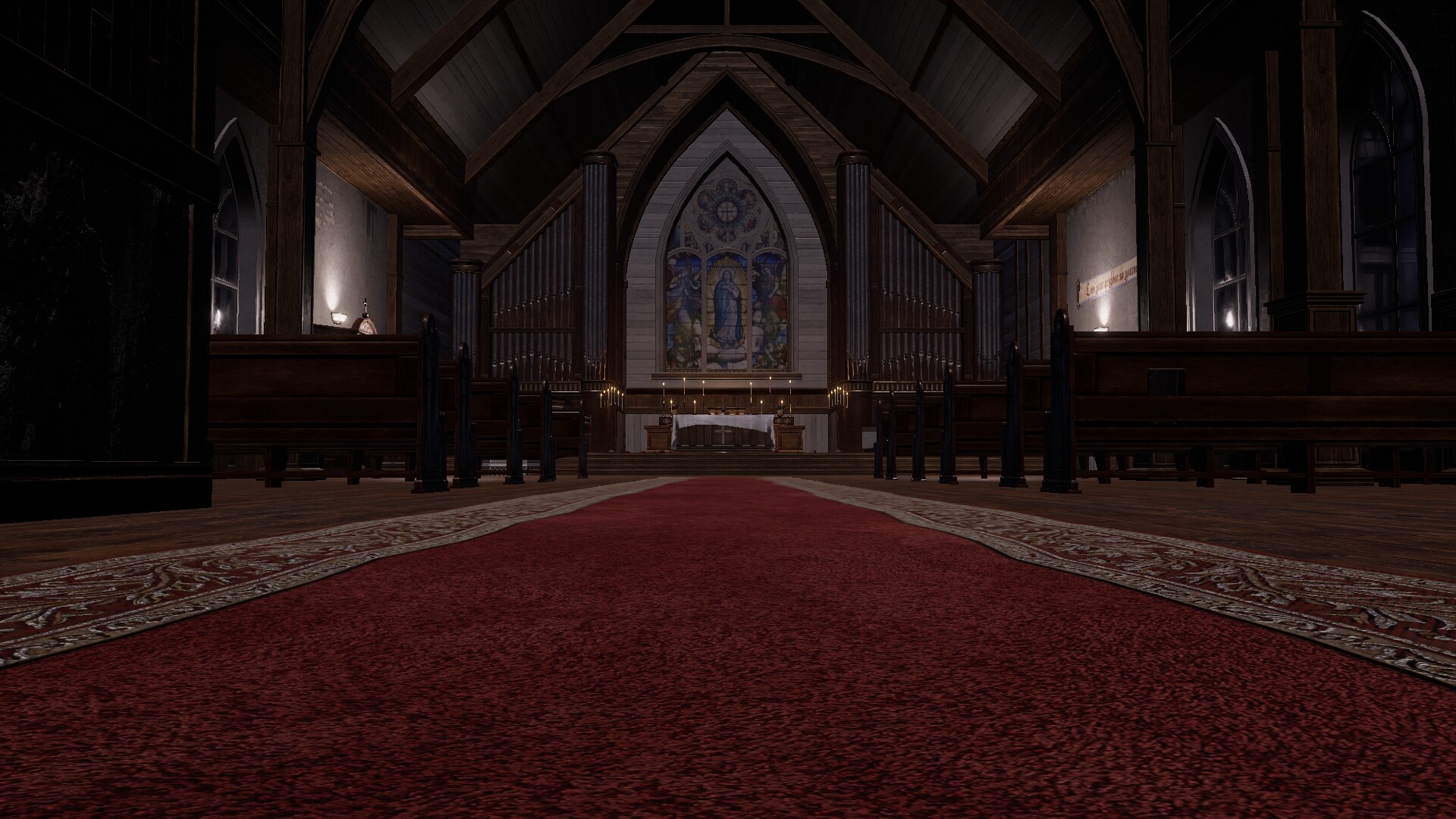
- The atmospheric narrative fan: If environmental storytelling — rooms that suggest lives interrupted — carries more weight than explicit exposition, this game will align with your tastes.
How Trace of the Villa sits among similar puzzle-driven narratives
Below is a concise editorial comparison to nearby titles, focused on genre, atmosphere, puzzle emphasis, exploration style, and player fit. This is an editorial discovery comparison only, using public descriptions of each title.
| Title | Genre / Tone | Puzzle emphasis | Exploration style | Player fit |
|---|---|---|---|---|
| Trace of the Villa | Action / Adventure / Indie — mansion mystery, investigative | Object-and-system puzzles that uncover documents and records | Room-by-room, evidence-led exploration | Players who want narrative revealed through artifacts and mechanics |
| The Room | Adventure / Indie — enclosed, tactile mystery | Mechanical puzzle boxes and safes (cast-iron safe central to premise) | Focused, puzzle-chamber progression | Fans of tactile, locked-box puzzles and close-up object interaction |
| The Room Two | Adventure / Indie — cryptic and atmospheric | Layered mechanical puzzles with a strong focus on objects | Linear, event-driven puzzle spaces | Players who enjoy escalating, curated puzzle sequences |
| Escape Simulator | Adventure / Casual / Indie — escape-room play | Highly interactive escape-room puzzles; physics and item use | Room-scale, object manipulation with community rooms | Those who like cooperative or solo escape-room mechanics and interactivity |
| Unpacking | Casual / Indie — zen, domestic narrative | Placement and organizational puzzles that reveal a life story | Parcel-by-parcel, vignette-based exploration | Players who prefer gentle, domestic storytelling via objects |
| hack_me | Indie / Simulation — hacking simulator | System-oriented puzzles: command-line, brute force, SQL themes | Interface-driven, systems puzzle play | Players who enjoy technical, simulated-hacking mechanics |
Trailer & further discovery
If you want to see trailer or gameplay videos, search on YouTube: Trace of the Villa trailer & gameplay (YouTube search). This link is a discovery path — check publisher assets for verified official videos.
Leave a Reply