
Trace of the Villa and the Case for Quiet, Persistent Dread
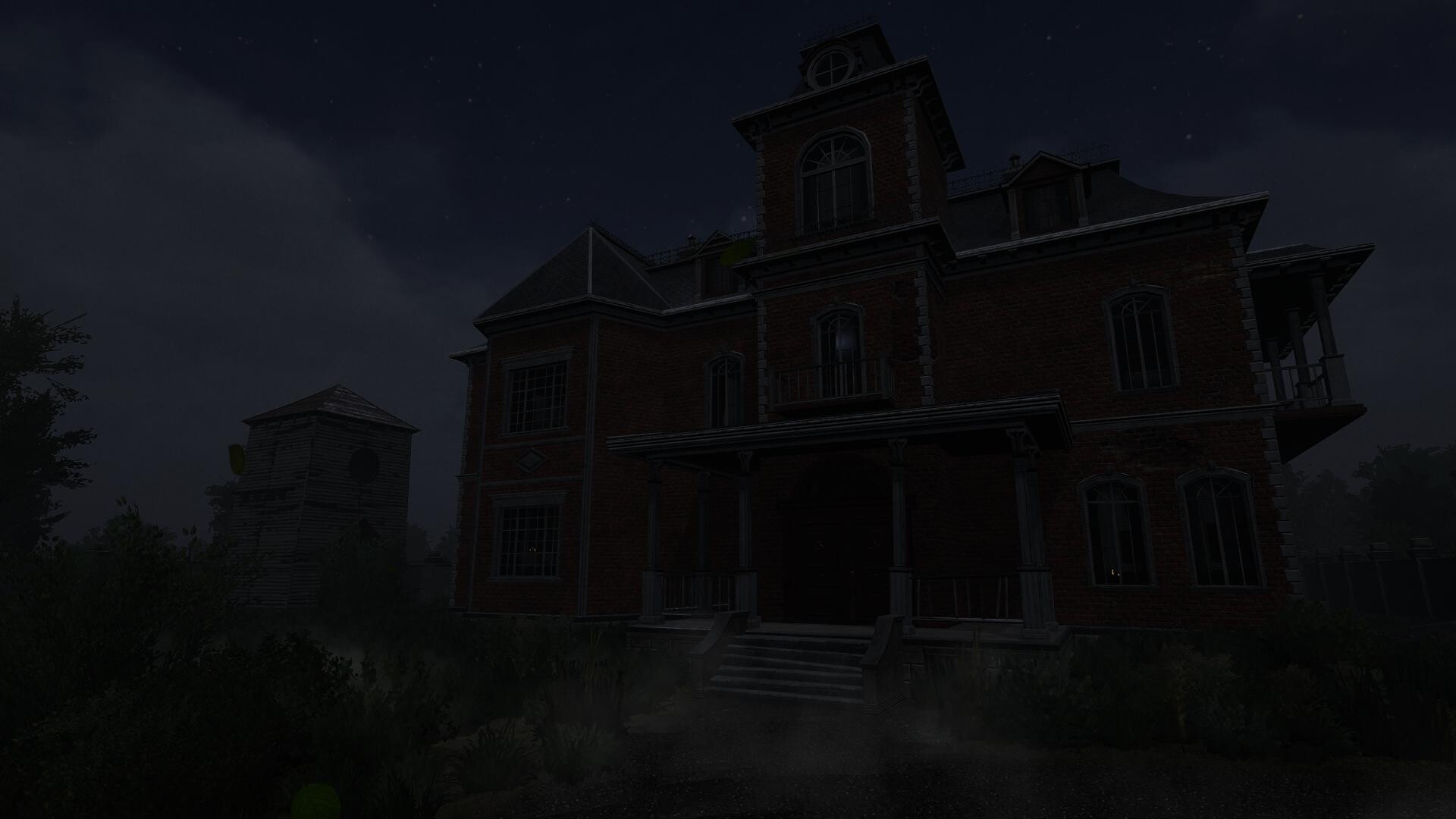
Trace of the Villa drops you into a decaying, deliberately forgotten mansion where Jin’s search for a missing sister turns methodical and unnerving rather than loudly sensational. The game leans on environmental storytelling, locked-away records, and slow, clue-driven progression to turn empty rooms into sources of mounting anxiety.

Who should consider wishlisting Trace of the Villa?
If you prefer slow-burn suspense — atmospheric mystery adventure fans who value environmental storytelling over jump-scare theatrics — this title targets you. Players who enjoy methodical investigation, reading manifests and encrypted fragments, and solving puzzles that gradually reveal a wider conspiracy will find it suits their tastes. The Steam page also lists accessibility features (subtitle options, custom volume controls, color alternatives) and single-player focus, which helps readers who need thoughtful UI and comfort options.
What the game is
Trace of the Villa is a story-rich adventure in which Jin follows leads to a remote, decaying mansion and recovers manifests and hints suggesting his sister may still be alive. The house feels “less abandoned than erased” — furnished rooms with missing names or photographs, locked doors concealing secured secrets, and systems that reveal fragments once power is restored. Official material makes clear the experience emphasises exploration, puzzles that unlock hidden compartments and safes, and piecing together falsified identities and financial trails.
When and where it’s available
Trace of the Villa released on 28 May, 2026 and is available on Steam for PC. The developer and publisher listed on the store page are Steadyturtle Co., Ltd.
Why quiet uncertainty matters here
Many psychological horror conversations default to shocks: a sudden noise, a sprinting enemy, or a scripted scare. Trace of the Villa instead foregrounds omission and erasure: rooms that look lived-in but lack identity, records that start a trail and then go cold, and systems that, when reactivated, spit out fragmentary evidence. That uncertainty — not the immediate jolt — is the engine of dread. Psychologically, ambiguity forces players to fill gaps with fear, and when every recovered file or safe opens another question, the tension compounds.

How progression and investigation work
The official store text explains the investigative loop plainly: restore systems, open secured compartments, solve puzzles, and read fragments of encrypted documents and transfer records. That sequence is designed to move players from surface observation into active reconstruction — finding manifests, reactivating estate systems, and using discovered evidence to map a pattern of falsified identities and unexplained arrivals. The gameplay voice is investigative rather than action-first: every unlocked item is a clue that redirects your inquiry.
Practical player scenarios
- The methodical explorer: you enjoy careful note-taking, backtracking with new keys, and savoring atmosphere. Expect to spend time reading manifests and piecing together timelines rather than reacting to combat.
- The atmospheric storyteller: you play primarily for mood and narrative tone. The mansion’s erased identities and missing photographs are likely to be the strongest hooks.
- The puzzle-minded detective: you want puzzles that tie directly into plot revelations. Safes, encrypted documents, and secured systems that reveal financial trails will provide that connective tissue.
- Not for you if you need constant action or scripted, high-adrenaline sequences — the official description frames this as investigation and environmental discovery.
Compact facts — Trace of the Villa
| Title | Trace of the Villa |
|---|---|
| Steam AppID | 3483660 |
| Release date | 28 May, 2026 |
| Developer / Publisher | Steadyturtle Co., Ltd. |
| Genres | Action, Adventure, Indie |
| Categories / Features | Single-player; Color Alternatives; Custom Volume Controls; Playable without Timed Input; Subtitle Options; Family Sharing |
| Official short pitch | Jin searches for his missing sister at a remote, decaying mansion and recovers manifests and hints that she may still be alive. |
How it compares to nearby mystery/puzzle games
Below is a focused, editorial comparison on atmosphere, puzzle focus, exploration style and pacing — the aspects most relevant when you’re choosing a slow-burn mystery game on PC.
| Game | Release | Primary focus | Atmosphere / Tone | Puzzle / Exploration style | Pacing |
|---|---|---|---|---|---|
| Trace of the Villa | 28 May, 2026 | Investigation, narrative puzzles | Quiet dread; erased identities; institutional concealment | Clue-driven: manifests, encrypted documents, locked safes | Slow-burn; discovery-led |
| Amnesia: The Dark Descent | 8 Sep, 2010 | Immersive first-person survival horror | Overwhelmingly oppressive and uncanny |
Leave a Reply