Trace of the Villa: puzzles as evidence in a decaying mansion mystery
Trace of the Villa frames its puzzles as pieces of a case file: clues, objects and document fragments that have to be read and reassembled to prove what happened inside an erased household. Built around Jin’s search for his missing sister, the game uses environmental puzzle logic to turn every discovery into narrative evidence.

What Trace of the Villa is
Trace of the Villa is an action-adventure indie about investigative exploration inside a remote, decaying mansion. According to the Steam page, Jin has followed leads to a property “cut off from the grid and deliberately forgotten” where manifests and hints suggest his sister may still be alive. The developer and publisher is Steadyturtle Co., Ltd., and the game was released on 28 May, 2026 for Steam/PC.
| Title | Trace of the Villa |
|---|---|
| Developer / Publisher | Steadyturtle Co., Ltd. |
| Release date | 28 May, 2026 |
| Genres | Action, Adventure, Indie |
| Steam categories | Single-player; Color Alternatives; Custom Volume Controls; Playable without Timed Input; Subtitle Options; Family Sharing |
Who it is for
Trace of the Villa is aimed at players who value atmospheric mystery adventure and evidence-driven storytelling over straightforward action. If you enjoy carefully reading documents and object details to reconstruct a timeline, or prefer slow-burn psychological investigation set-pieces in a mansion, this is the sort of Steam indie to wishlist. The presence of Action in the genre tags suggests there are also moments of momentum or stakes, so players who want an investigative core with intermittent urgency will find a fit.
When and where
Trace of the Villa is available on Steam; release date: 28 May, 2026. The store page lists standard PC/Steam accessibility features such as subtitle options and non-timed input, which suits players who prefer methodical puzzle solving over reflex-driven encounters.
Why the theme matters: puzzles as evidence and narrative logic
The Steam description sets the editorial tone: the mansion “feels less abandoned than erased,” with rooms left mid-routine and identities apparently removed. Puzzles in the game are not just obstacles — they are forensic tools. Restoring power, unlocking safes and recovering manifests yield “fragments of encrypted documents and suspicious transfer records” and trace financial and identity irregularities. That language positions each solved puzzle as corroborating evidence rather than abstract gatekeeping, so the act of puzzle-solving advances both gameplay and Jin’s case file.
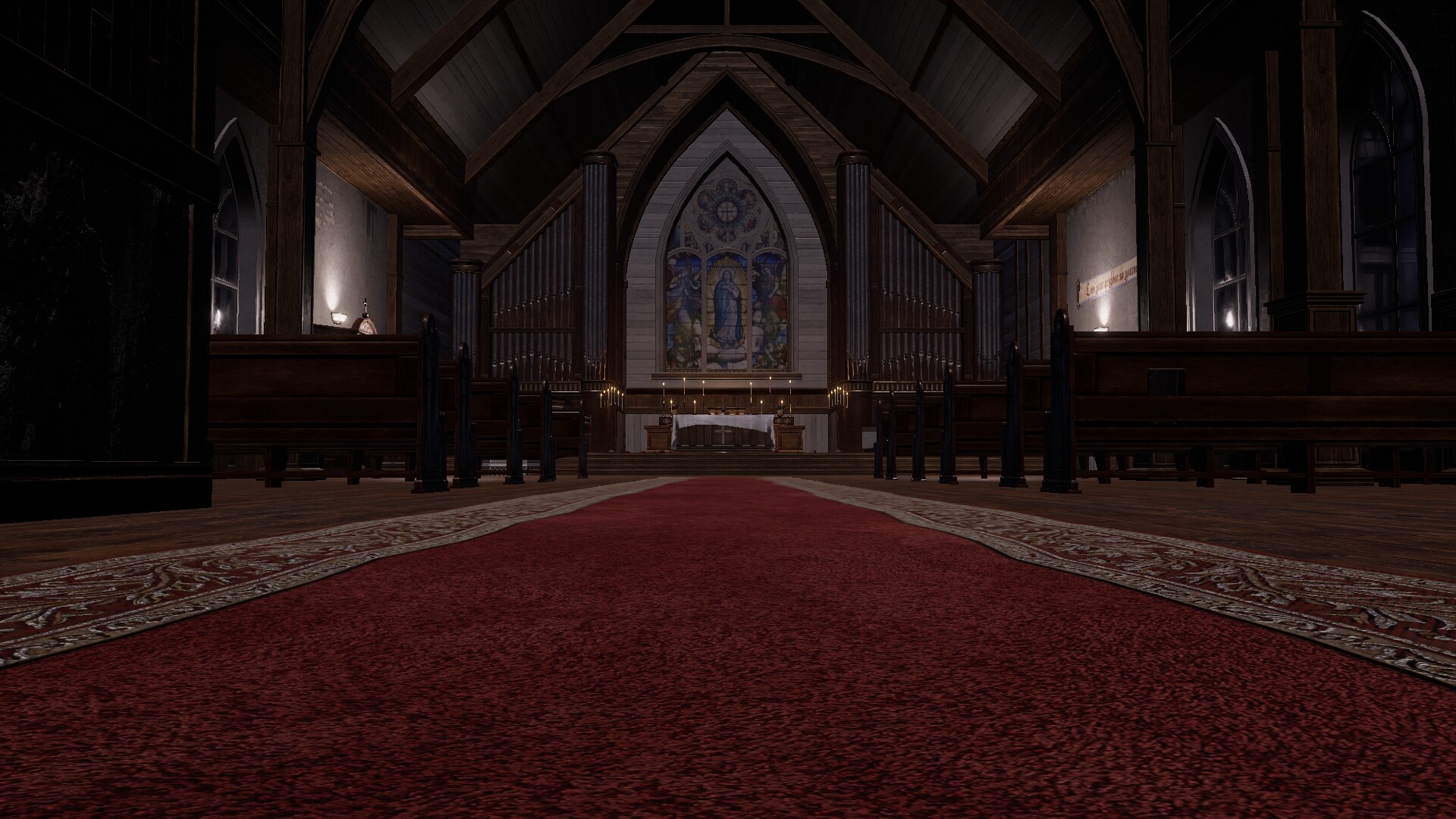

How clue reading, object logic and story puzzles shape progression
The Steam marketing copy makes explicit how systems return evidence as you progress: restored systems bring “secured systems” back online, hidden compartments open, and safes reveal documents. From a design perspective this suggests three interlocking puzzle pillars:
- Clue reading — manifests, notes and fragments act as narrative evidence and point to next objectives.
- Object logic — physical items, locks and mechanisms behave like forensic props: use, inspect, and combine to extract proof.
- Story puzzles — larger set-pieces (locked rooms, encrypted records, transfer trails) that reconstruct timelines and motives when solved.
When puzzles are built as evidence, players shift from “solving” to “proving” — each solution changes what the mansion means and who was there.
Player scenarios — who should wishlist Trace of the Villa
- If you like methodical narrative detectives: You want a game where documents and objects form a chain of proof. You read, interpret and deduce to reconstruct how people moved through the house.
- If you prefer atmospheric, slow-burn pacing: You enjoy tension that grows from environmental detail and withheld information more than constant action.
- If you enjoy occasional action framing an investigative core: The Action tag indicates moments where stakes or danger increase; expect pacing shifts rather than constant combat.
- If you want quick, physics-based interaction or co-op escape-room play: Consider whether you’d rather play Escape Simulator–style interactivity instead (see comparison table below).
How Trace of the Villa compares to nearby puzzle-adventure titles
Below is a focused editorial comparison on puzzle style, atmosphere and player fit. These comparisons are based on public Steam descriptions and the topic research notes; they are intended to help readers choose what best matches their preferences.
| Title | Puzzle focus | Atmosphere | Exploration style | Suggested player fit |
|---|---|---|---|---|
| Trace of the Villa | Clue-driven document puzzles, safes, locked systems as narrative evidence | Decaying mansion, erased identities, investigative tension | Linear exploration with forensic puzzle beats | Players who want story puzzles that serve as proof and timeline-building |
| The Room | Intricate mechanical puzzles and a central safe-like device | Mysterious, intimate, tactile | Focused room-to-room mechanical puzzle progression | Fans of tactile puzzle boxes and finely engineered contraptions |
| The Room Two | Continuation of mechanical, object-focused puzzles across varied locations | Cryptic
Steam pageView Trace of the Villa on Steam YouTube discoveryFor trailer and gameplay discovery, use YouTube search rather than relying on unverified embeds: Find Trace of the Villa trailer and gameplay searches on YouTube. CommentsMore posts |
Leave a Reply