
Why the Silence Matters: Trace of the Villa and the Power of Uncertain Spaces
Trace of the Villa uses absence itself as a narrative engine: a remote, decaying mansion where rooms look lived-in but names, photos and histories have been stripped away, and the game makes you feel the slow weight of erasure more than the sharp jolt of cheap shocks. For players who value quiet tension, clue-driven exploration and atmospheric suspense over jump-scare spectacle, Trace of the Villa promises a slow-burn psychological investigation rooted in environmental storytelling.

Who this is for
If you prefer psychological horror that prioritizes atmosphere, gradual reveals and investigative play, Trace of the Villa will likely fit your tastes. The game’s Steam metadata lists it as Action, Adventure, Indie with Single-player support and accessibility features like Color Alternatives, Custom Volume Controls, Playable without Timed Input and Subtitle Options — useful signals for players who want a measured, thoughtful experience rather than reflex-based scares.
What the game is
Trace of the Villa follows Jin, who has spent years searching for his missing sister. A lead takes him to a derelict mansion cut off from the grid; inside, signs of occupancy remain but identities appear to have been removed. When Jin restores power, secured systems reactivate, hidden compartments open and safes yield fragments of encrypted documents and suspicious transfer records. Each solved puzzle uncovers more of a concealed operation — falsified identities, financial trails that dead-end and arrivals or departures without witnesses — pushing the game toward a mystery anchored in institutional erasure and unanswered questions.
When and where (Steam details)
Trace of the Villa released on 28 May, 2026 on Steam. It is developed and published by Steadyturtle Co., Ltd. The Steam store page and widget are linked below for wishlisting and store details.
Why the theme matters: unexplained spaces and identity erasure
Unexplained spaces (rooms left mid-routine, personal items without names) create a particular unease: the environment resists easy interpretation, and the absence of identity becomes a narrative problem to solve. By removing photographs, names and history, Trace of the Villa asks players to reconstruct people from fragments — manifests, encrypted records, transfer logs — rather than from explicit testimony. That shift makes suspense cumulative: every small reconstruction feels like an achievement, and failure to fill the gaps leaves the tension unresolved. For players interested in slow-burn dread, that unresolved, systemic mystery matters more than sudden shocks because it sustains a sense of moral and procedural uncertainty long after a scene ends.
How you play and progress
Progress in Trace of the Villa is puzzle-and-clue-driven: restore power to bring systems back online, find hidden compartments and unlock safes that reveal fragments of encrypted documents and suspicious transfer records. These fragments gradually assemble into a timeline and a pattern — falsified identities, movements masked by missing records and financial flows that lead nowhere. The gameplay loop centers on environmental investigation and deduction rather than combat spectacle, so players who enjoy methodical reconstruction and inventory/logic puzzles should find the pacing appropriate.
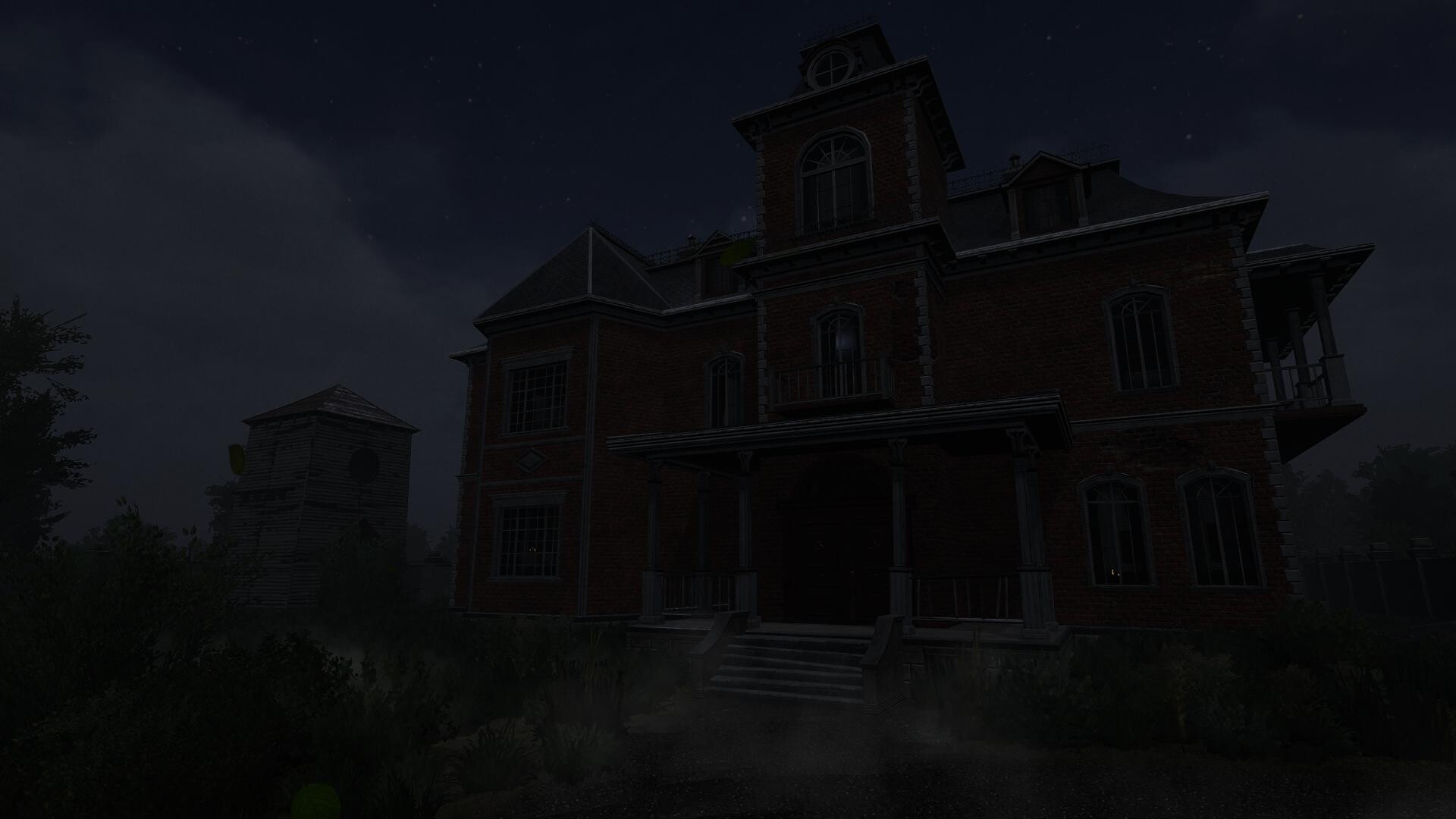

Compact facts — Trace of the Villa
| Title | Trace of the Villa |
|---|---|
| Steam appid | 3483660 |
| Developer / Publisher | Steadyturtle Co., Ltd. |
| Release date | 28 May, 2026 |
| Genres | Action, Adventure, Indie |
| Categories / Features | Single-player; Color Alternatives; Custom Volume Controls; Playable without Timed Input; Subtitle Options; Family Sharing |
| Short premise | Jin searches for his missing sister in a decaying mansion where manifests and hints suggest she may still be alive. |
How Trace of the Villa compares — a quick editorial table
| Title | Release | Core atmosphere / pacing | Puzzle / exploration emphasis | Best for players who… |
|---|---|---|---|---|
| Trace of the Villa | 2026 | Slow-burn mansion mystery, emphasis on erased identities and systemic secrecy | Clue-driven puzzles, power restoration, document fragments and safes | Prefer investigative environmental storytelling and sustained unease |
| Amnesia: The Dark Descent | 8 Sep, 2010 | Claustrophobic, immersive first-person dread | Exploration with puzzle elements and sanity mechanics | Want immersion-first horror that leans into helplessness |
| SOMA | 21 Sep, 2015 | Philosophical, atmospheric sci-fi horror with existential dread | Exploration and environmental clues over combat | Like narrative puzzles that question identity and consciousness |
| Layers of Fear (2016) | 15 Feb, 2016 | Psychological, surreal Victorian mansion atmosphere | Environmental puzzles mixed with shifting level design | Enjoy artistic unraveling of character and sanity |
| Poppy Playtime | 12 Oct, 2021 | Playful-turned-creepy factory setting with set-piece encounters | Puzzle gadgets (GrabPack) and scripted tension moments | Prefer high-concept puzzles with periodic action-oriented scares |
Specific player scenarios — should you wishlist it?
- If you savor reading a room for clues, reconstructing people from ledgers and manifests, and letting dread build through revealed context rather than sudden frights: wishlist.
- If you prefer fast-paced action or regular combat encounters as the primary loop: Trace of the Villa is likely aimed at players who accept slower pacing and investigative loops first.
- If accessibility options (subtitles, custom volume, playable without timed input) matter to you in narrative-driven horror, the Steam page lists those categories explicitly and they support a more considered playstyle. Steam page
View Trace of the Villa on Steam
YouTube discovery
For trailer and gameplay discovery, use YouTube search rather than relying on unverified embeds: Find Trace of the Villa trailer and gameplay searches on YouTube.
Leave a Reply