
Trace of the Villa: an escape-room style mystery that asks you to read a house like a witness
Trace of the Villa drops you into a decaying mansion where Jin’s search for his missing sister turns into a chain of discoveries: manifests, locked safes, and systems that only reveal their secrets once power is restored. The game leans on environmental reading and puzzle-chain momentum to turn rooms into testimony—if you like methodical clue-gathering, this one speaks your language.

| Title | Trace of the Villa |
| Developer / Publisher | Steadyturtle Co., Ltd. |
| Release date | 28 May, 2026 (Steam / PC) |
| Genres | Action, Adventure, Indie |
| Steam categories | Single-player; Color Alternatives; Custom Volume Controls; Playable without Timed Input; Subtitle Options; Family Sharing |
| Premise | Jin follows a lead to a remote mansion and recovers manifests and hints that suggest his missing sister may yet be alive. |
Who is this for?
Trace of the Villa will appeal to single-player PC players who favor atmospheric mystery adventure and slow-burn suspense over twitch reflexes. If you enjoy reading an environment for narrative clues, working through chained puzzles, and a deliberate pace where restoring systems or unlocking safes reveals the next layer of the story, this is tailored to that playstyle. The Steam tag “Playable without Timed Input” is a clear sign it’s designed for careful examination rather than pressure-based puzzling.
What the game actually is
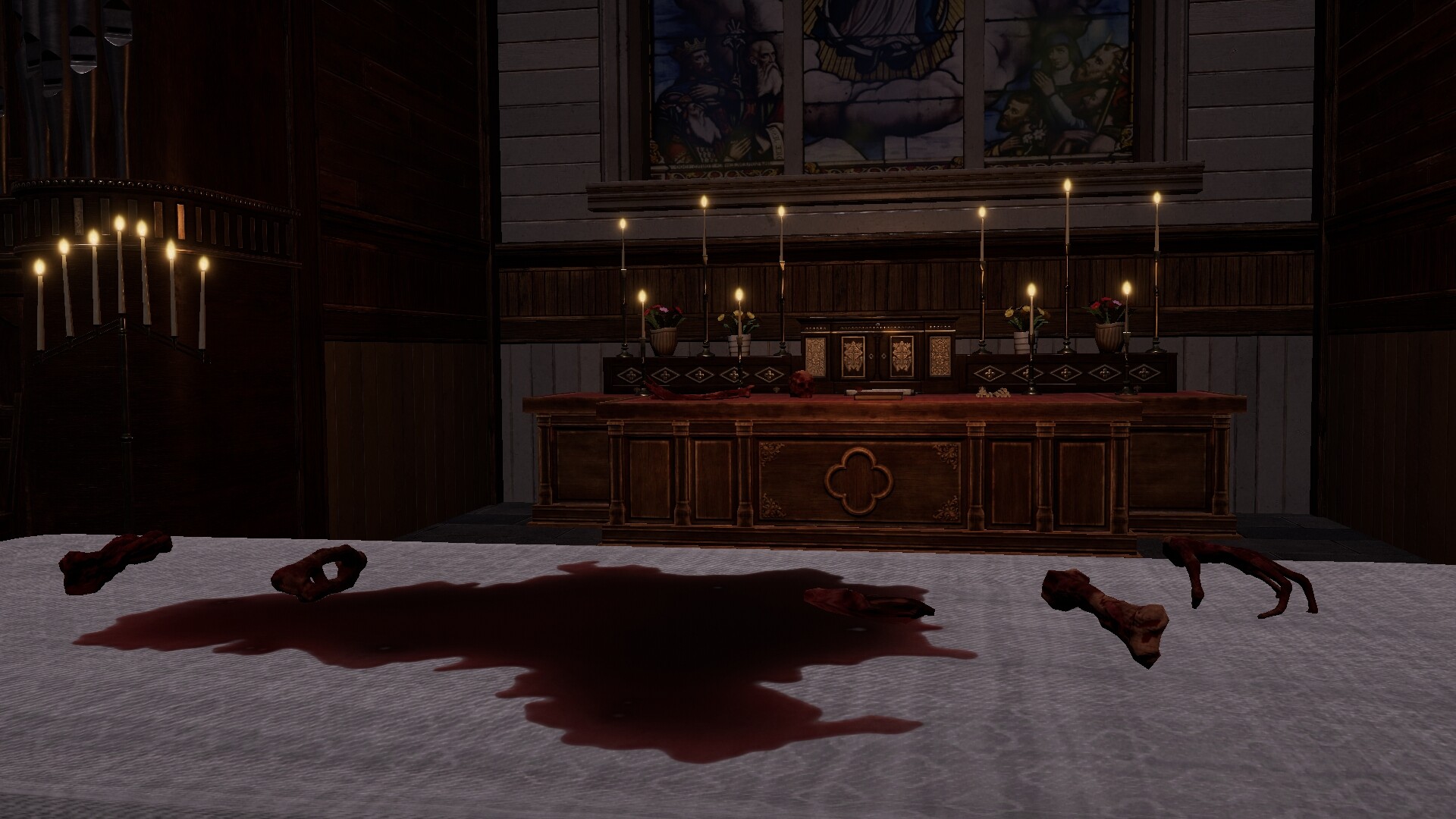
Officially, Trace of the Villa places you in Jin’s shoes as he searches for his missing sister inside a deliberately neglected mansion. Rooms appear frozen mid-routine, names and photographs are missing, and the house feels less abandoned than erased. When Jin restores power, secured systems come back online, hidden compartments open, and safes yield fragments of encrypted documents and transfer records—each solved puzzle reveals a further thread of an opaquely run operation. Those elements point to a game driven by environmental storytelling, locked-door secrets, and clue-driven investigation rather than combat spectacle.
When and where to play
Trace of the Villa released on 28 May, 2026 on Steam for PC. The store page is the primary hub for trailers, screenshots, and purchasing on the platform.
Why the mansion mystery matters
The official description emphasizes erasure—rooms kept, identities removed, financial and administrative traces that lead nowhere. That positions the game as an investigative experience where the emotional stakes (a missing sister) connect directly to gameplay: each object you interrogate is also an evidentiary lead. For players interested in psychological investigation and narrative puzzle design, that blend shifts the focus from “solve this lock” to “reconstruct a life from the objects left behind.”
How you read clues and progress
Trace of the Villa layers progression mechanically and narratively. The game’s own copy describes restoring power to the estate as a turning point: secured systems come back online and hidden compartments unlock. That setup supports classic locked-room thinking—treat each room as a bounded system of cause-and-effect. Good approaches while playing:
- Map your clue chains: treat manifests, transfer records, and recovered notes as nodes that connect rooms or timelines.
- Read objects as testimony: personal items are not just set dressing but potential keys to other compartments or pieces of encrypted documents.
- Follow system restoral as a pacing device: restoring power or access often unlocks further puzzles rather than being purely cosmetic.
- Use the absence of names/photographs as a clue—the official premise frames identity removal as part of the mystery.
Specific player scenarios
- Methodical solo puzzler: You like to pause, take notes, and backtrack through a mansion’s logic. The lack of timed inputs and subtitle options helps you extract narrative detail at your own pace.
- Environmental storyteller: You prefer games where atmosphere and object placement do most of the storytelling. Trace of the Villa’s furnished-but-erased rooms are designed to be read as evidence.
- Investigation-first player: If you enjoy financial trails or document fragments that require synthesis across rooms, this presents a steady chain of decryptions rather than instant answers.
- Accessibility-aware player: The Steam categories list custom volume controls, color alternatives, and subtitle options—useful if you rely on settings to shape comfort and clarity.

How it compares to nearby mystery/puzzle games
| Title | Genre / Core mood | Puzzle focus | Exploration style | Pacing / Player fit |
|---|---|---|---|---|
| Trace of the Villa | Action / Adventure / Indie — mansion mystery, investigative tone | Clue
Steam pageView Trace of the Villa on Steam YouTube discoveryFor trailer and gameplay discovery, use YouTube search rather than relying on unverified embeds: Find Trace of the Villa trailer and gameplay searches on YouTube. CommentsMore posts |
Leave a Reply