
Trace of the Villa — When locked‑room logic meets slow‑burn, clue‑chain mystery
Jin’s search for a missing sister propels you into a deliberately erased mansion where power, safes and fragments of identity are the clues. Trace of the Villa (Steadyturtle Co., Ltd.) is a Steam indie atmospheric mystery adventure that stages investigation as layered puzzle-chains and environmental reading.

Quick facts
| Title | Trace of the Villa |
|---|---|
| Developer / Publisher | Steadyturtle Co., Ltd. |
| Release date | 28 May, 2026 |
| Genres | Action, Adventure, Indie |
| Steam categories / features | Single-player; Color Alternatives; Custom Volume Controls; Playable without Timed Input; Subtitle Options; Family Sharing |
| Steam app | Trace of the Villa on Steam |
Who should wishlist this
Players who prefer atmospheric mystery adventures built around environmental storytelling and investigative pacing will appreciate Trace of the Villa. If you like slow‑burn suspense, reading objects for narrative detail, and following chains of interlocking clues that gradually unlock rooms and records, this is a fit. It also suits players who value accessibility options listed on Steam—subtitles, color alternatives, and the option to play without timed input.
What the game is
The official short description frames the setup: “Jin has spent years searching for his missing sister, pursuing leads that took him to a remote, decaying mansion where he recovered manifests and hints that indicate his sister may still be alive, somewhere at the end of the trail he is about to follow.” The fuller Steam description expands the investigative spine: restoring power, secured systems coming back online, hidden compartments and safes yielding fragments of encrypted documents and suspicious transfer records. The game leans into mystery as process—each solved puzzle reveals another layer of a concealed operation.

When and where
Trace of the Villa launched on Steam on 28 May, 2026. The Steam page and store presence are the primary PC entry point; see the Steam app link in the facts table and the Steam CTA below.
Why the mansion setting matters
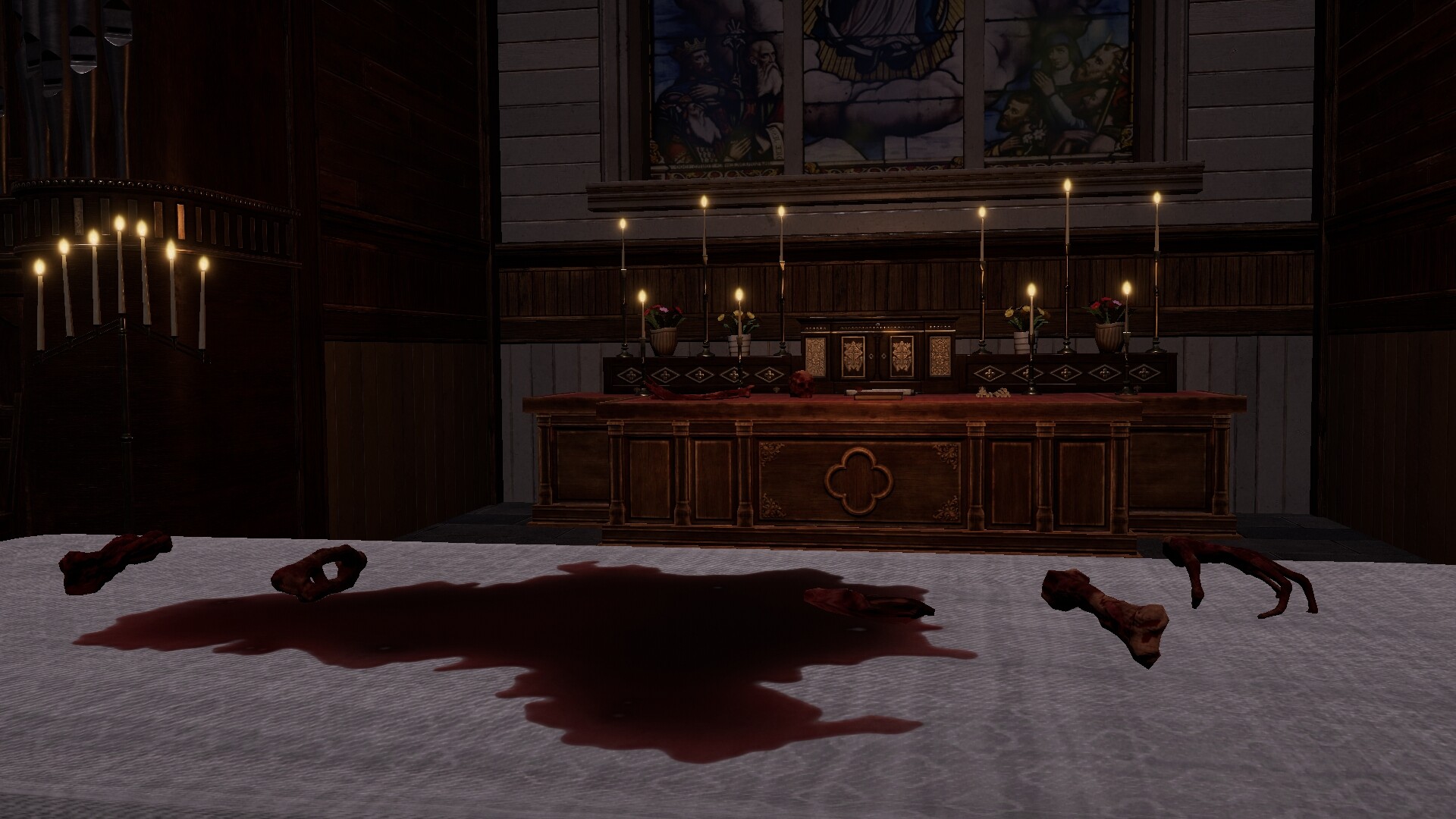
The mansion is written to feel “less abandoned than erased”—rooms frozen mid‑routine, missing photographs and falsified identities—so the setting itself is the primary puzzle medium. That approach turns object clues and environmental detail into narrative evidence: a torn manifest, a secured ledger, a powered‑down system that must be restored to access logs. Thematically, this makes the investigation feel forensic rather than purely mechanical; you aren’t just unlocking boxes, you’re reconstructing erased lives.
How you read clues and keep momentum
From the official description we know the game stages discovery as chained reveals: restoring power brings systems online; safes and compartments yield encrypted fragments and transfer records; each solved node exposes further locked doors and questions. That design favors locked‑room thinking—treat each room as a compact logic puzzle whose output is both a mechanical key and a narrative clue. Momentum comes from puzzle‑chain design: solutions both advance you spatially and deepen the mystery, which keeps a slow‑burn investigation moving without relying on action beats.
Player scenarios — who gets the best experience
- The methodical reader: You enjoy cataloguing objects, cross‑referencing manifests and notes, and letting revelations unfold at an investigative pace.
- The atmosphere‑first player: You want a psychological investigation anchored by a haunted, erased mansion rather than jump scares or combat.
- The accessibility‑minded adventurer: Steam features like subtitles, color alternatives and the option to play without timed input make it suitable for players who prefer a less reflex‑driven experience.
Comparisons — editorial discovery, not endorsement
If you’re sizing Trace of the Villa against other mystery and puzzle titles, the distinctions below focus on genre, atmosphere, puzzle emphasis, exploration style and pacing.
| Title | Genre / Core mood | Puzzle focus | Exploration style | Story tone / pacing | Player fit |
|---|---|---|---|---|---|
| The Room | Adventure, Indie — tactile, mysterious | Mechanical, box‑based puzzles with layered contraptions (intimate puzzle‑objects) | Single‑room to multi‑room, focused puzzle environments | Measured, puzzle‑first; curiosity driven | Players who like object inspection and tight mechanical puzzles |
| The Room Two | Adventure, Indie — cryptic, atmospheric | Similar to The Room: puzzle boxes that reveal more narrative as you progress | Sequential, distinct puzzle spaces | Slow reveal; puzzle momentum builds between scenes | Fans of tactile puzzle design and atmospheric mystery |
| Escape Simulator | Adventure, Casual, Indie — playful, interactive | Highly interactive rooms, physics and item manipulation | Designed rooms, community levels and sandbox tools | Varies by room; can be light or fiendish; social co‑op options | Players who enjoy hands‑on interaction, co‑op or user‑made rooms |
| Hi‑Fi RUSH | Action — stylized, rhythm‑driven | Combat and rhythm mechanics rather than environmental puzzles | Linear action stages with setpieces | Upbeat, high‑tempo; immediate feedback | Players seeking action and rhythm, not investigation |
| Football Manager 2022 | Simulation, Sports — strategic, data‑driven | Management systems and statistics rather than environmental puzzles | Menu and UI‑driven simulation across seasons | Slow strategic pacing focused on long‑term decisions | Players who enjoy strategy and long‑form systems management |
How Trace of the Villa differs from those reference points
Compared with object‑centric box puzzles like The Room, Trace of the Villa emphasizes investigative documentary evidence—manifests, transfer records, encrypted fragments—and systems that come back online as you restore power. Versus an interactive sandbox like Escape Simulator, its pacing is narrative and reveal‑driven rather than user‑created or physics‑first. It’s not an action rhythm title (Hi‑Fi RUSH) or a systems simulation (Football Manager); its strengths are atmosphere, environmental storytelling and chained puzzle discovery.
YouTube discovery
If you want gameplay clips or trailers, use this YouTube search path to find videos: Search Trace of the Villa trailer / gameplay on YouTube. (This is a discovery link; individual videos should be verified for official status before being treated as developer‑published material.)
Final decision guide
Wishlist Trace of the Villa if you prize slow‑burn, clue‑driven exploration and enjoy reading rooms the way a detective reads a crime scene—objects and powered systems are the narrative devices. Consider other options if you want highly tactile mechanical puzzles, emergent sandbox gameplay, or action/rhythm experiences instead.
Leave a Reply