Trace of the Villa: why slow, quiet tension matters more than cheap shocks
Trace of the Villa invites players into an emptied life — a mansion that reads like a transcript of erasure, where identities have been stripped and evidence threads fray into silence. Released on 28 May, 2026 by Steadyturtle Co., Ltd., it’s a story-rich, clue-driven exploration that favors atmospheric suspense and uncertainty over sudden jump scares.

What it is
Trace of the Villa is an atmospheric mystery adventure on Steam that blends action-adventure structure with slow-burn psychological investigation. The official premise positions Jin as a protagonist who has spent years searching for his missing sister; a recent lead takes him to a remote, decaying mansion where manifests and hints suggest she may still be alive. The estate’s silence is described as suffocating: furnished rooms with no photographs or names, locked doors, encrypted documents and transfer records — all pointing to a place where identities and histories have been deliberately erased.
Who it’s for
- Players who prefer environmental storytelling and puzzle-led progression to reflex-based horror.
- Fans of slow-burn suspense that leans on uncertainty and implication rather than repeated shock hooks.
- Anyone looking for a PC mystery game with a protagonist-driven investigative throughline (Jin searching for his sister) and forensic-style clue assembly.
- People sensitive to jump-scare mechanics who still want chills from atmosphere, texture, and the suggestion of wrongdoing.
When and where
Trace of the Villa is available on Steam with a listed release date of 28 May, 2026. It’s a PC/Steam release by developer and publisher Steadyturtle Co., Ltd., listed in the Action / Adventure / Indie genres and shipped with single-player and accessibility features such as subtitle options and custom volume controls.
Why quiet tension and uncertainty matter here
Psychological tension works when a game gives you just enough to imagine what might be happening. The official description emphasizes erasure — rooms that look lived-in but purposely lack personal identifiers — and that structural choice does two things. First, it forces players to supply mental context (who lived here? why are the faces missing?), and second, it makes discoveries feel consequential: finding a fragment of encrypted paperwork or a hastily secured secret reshapes what you already suspected. That slow accrual of evidence rewards careful players and sustains dread longer than a series of startling moments ever could.
How you progress — gameplay and investigation
According to the Steam description, progression is driven by restoration and examination: Jin restores power to the estate, secured systems come back online, hidden compartments unlock, and safes yield fragments of encrypted documents and suspicious transfer records. Players are meant to piece together timelines — arrivals without records, departures without witnesses — by collecting manifests and puzzle-like clues. Expect a gameplay loop that privileges exploration, reading environmental clues, and solving narrative puzzles to reveal new areas and further evidence.
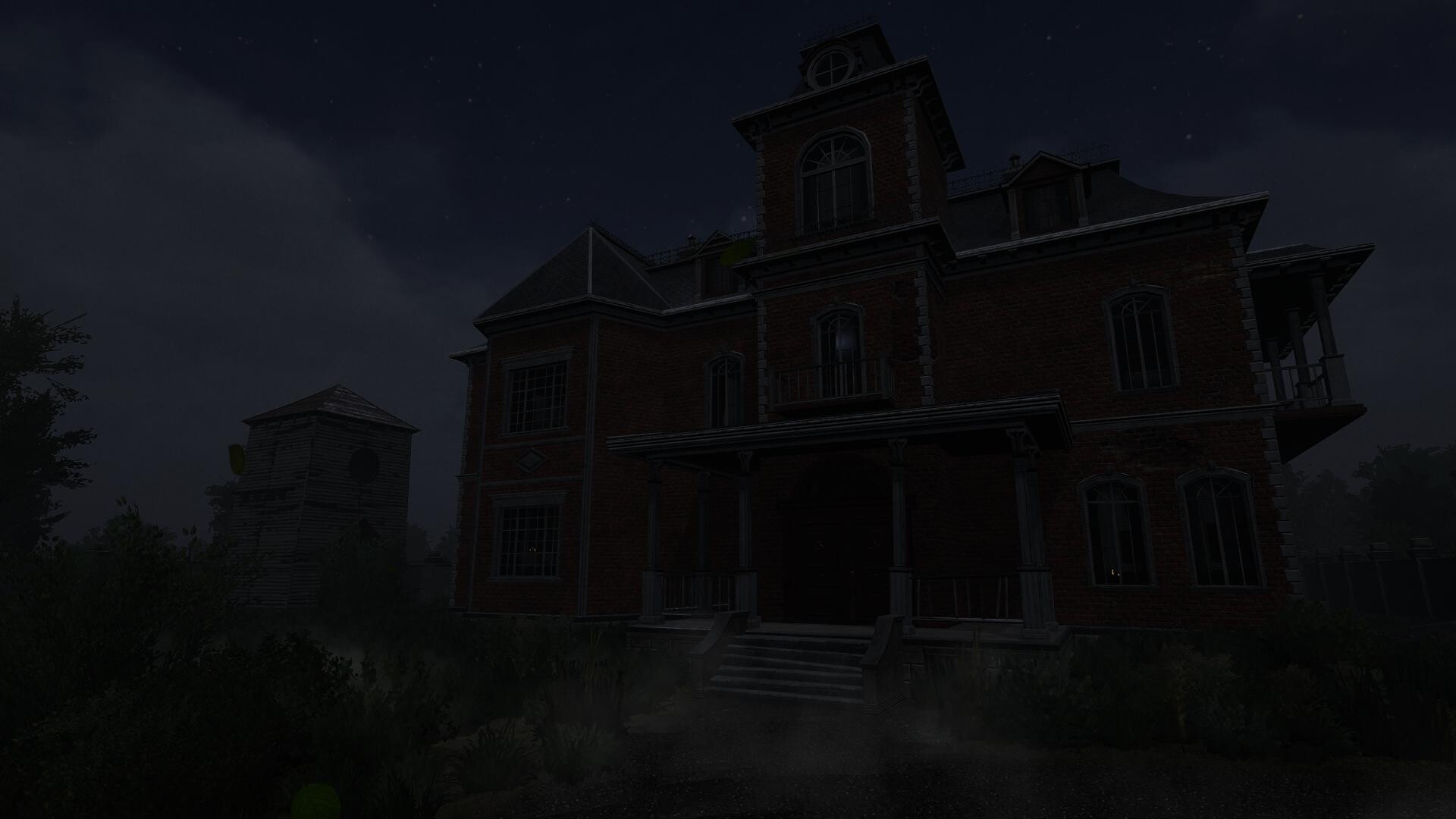
Visual snapshots

Compact facts
| Title | Trace of the Villa |
|---|---|
| Steam AppID | 3483660 |
| Release date | 28 May, 2026 |
| Developer / Publisher | Steadyturtle Co., Ltd. |
| Genres | Action, Adventure, Indie |
| Key categories | Single-player; Color Alternatives; Custom Volume Controls; Playable without Timed Input; Subtitle Options; Family Sharing |
| Steam store | Trace of the Villa on Steam |
| Public reviews | No user reviews on Steam at time of publication |
How it compares — quick reference
The following table is a concise editorial comparison based on tone, focus, pacing and primary player fit. These are editorial observations for discovery and not endorsements.
| Game | Tone / Setting | Focus | Pacing | Player fit |
|---|---|---|---|---|
| Amnesia: The Dark Descent | First-person gothic castle; immersive dread | Survival immersion and atmospheric discovery | Slow to medium; sustained tension | Players who want immersion and vulnerability-driven fear |
| SOMA | Underwater sci-fi facility; existential dread | Philosophical narrative, survival exploration | Slow-blooming; narrative and mood driven | Players interested in story questions about identity and existence |
| Layers of Fear (2016) | Shifting Victorian mansion; psychological horror | Story-driven, surreal environmental storytelling | Variable; scene-based revelations | Players who like unreliable reality and artful atmosphere |
| Poppy Playtime | Abandoned factory; toy-themed horror | Puzzle mechanics with tense set pieces | Faster, set-piece oriented | Players who prefer puzzle-horror with clear mechanical toys-and-traps |
Player scenarios — who should wishlist this
- Caseworker of clues: You enjoy reading manifests, piecing together timelines, and assembling a narrative from small, concrete fragments. If you like forensics-like exploration, wishlist this.
- Atmosphere-first explorer: You prefer lingering in rooms to soak up mood and implication rather than sprinting from scare to scare. Trace of the Villa’s erasure motif will keep you engaged.
- Slow-burn detective: You value tension that grows with each unlocked system and decrypted fragment; the game’s loop of restoring power and opening hidden compartments suits methodical play.
- Not for jump-scare addicts: If you want constant adrenaline or twitch puzzles, this title leans toward narrative puzzle design and environmental suspense instead of repeated startling moments.
YouTube discovery
Looking for trailers or gameplay footage? Use this search link as a starting point (search results may include developer trailers, streams, or community captures): Trace of the Villa trailer & gameplay on YouTube.
Final notes and disclaimer
Trace of the Villa is presented on Steam as a slow-burning, story-rich adventure centered on erased identities and the mechanics of uncovering a concealed operation. This editorial piece uses information from the game’s official Steam page and published assets. Referenced comparison titles belong to their respective developers and publishers; the comparisons here are for editorial discovery only, not claims of superiority or official affiliation.
Leave a Reply