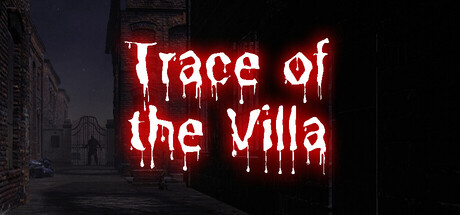
Trace of the Villa: Puzzle Design as Evidence and Narrative Logic
Trace of the Villa sets Jin’s search for a missing sister inside a remote, decaying mansion where recovered manifests, encrypted fragments and locked safes map a trail that may lead to her. The game leans on environmental storytelling and clue-driven puzzles to turn physical evidence into narrative momentum.

Who this is for
If you prefer atmospheric mystery adventure and slow-burn suspense built around reading clues rather than twitch reflexes, Trace of the Villa is aimed at you. The Steam page lists the game’s genres as Action, Adventure, Indie and the categories include Single-player, Playable without Timed Input, Subtitle Options and Color Alternatives—small but meaningful signals for players who want accessibility and a deliberate, evidence-focused pace.
What the game is
Developed and published by Steadyturtle Co., Ltd., Trace of the Villa places a protagonist, Jin, in a mansion that “feels less abandoned than erased.” The official description highlights restoring power, unlocking hidden compartments and safes, and recovering fragments of encrypted documents and transfer records. Puzzles act as pieces of evidence; each solved lock or recovered manifest expands a timeline and reveals the mansion’s role in a larger, concealed operation.
When and where
Trace of the Villa released on 28 May, 2026 on Steam. The store page and Steam visuals provide the official context for PC players interested in a story-rich, single-player experience.
Why the theme matters
As a narrative device, puzzles-as-evidence changes the player’s relationship to discovery. Instead of abstract riddles, Trace of the Villa’s puzzles are positioned as investigative tools—power restoration that reactivates systems, safes that yield encrypted fragments, and manifests that imply covert movement. That framing makes every solved object contribute to narrative logic: clues are not just obstacles but forensic data that must be interpreted to build a credible timeline.
How you read clues and progress
The official description is specific about the types of interaction you should expect: restoring estate power to reactivate systems, opening hidden compartments, and piecing together encrypted or falsified records. Progress depends on collecting and connecting evidence—physical items, documents and system logs—that recontextualize rooms and reveal who passed through the mansion and why their identities were erased. The Steam categories also note subtitle options and controls suitable for players who want a methodical, untimed exploration experience.


Quick facts
| Title | Trace of the Villa |
|---|---|
| Release date | 28 May, 2026 |
| Developer | Steadyturtle Co., Ltd. |
| Publisher | Steadyturtle Co., Ltd. |
| Steam AppID | 3483660 |
| Genres | Action, Adventure, Indie |
| Notable Steam categories | Single-player; Playable without Timed Input; Subtitle Options; Color Alternatives; Custom Volume Controls; Family Sharing |
Comparison: how Trace of the Villa sits among puzzle-driven narratives
Below is a concise editorial comparison focusing on genre, atmosphere, puzzle focus and player fit. These comparisons use each title’s public descriptions and tone rather than player metrics.
| Game | Genre | Atmosphere / Story Tone | Puzzle focus | Exploration style | Player fit |
|---|---|---|---|---|---|
| The Room | Adventure, Indie | Mystical, cabinet-of-curiosities tension | Mechanical, tactile puzzle boxes (object logic) | Contained, room-by-room puzzle spaces | Players who enjoy tightly-crafted object puzzles and tactile problem solving |
| The Room Two | Adventure, Indie | Expands the original’s mystery into broader, cryptic locales | Layered mechanical puzzles with a narrative thread | Progressive locations that connect to a wider mystery | Fans of escalating, atmospheric puzzle sequences |
| hack_me | Indie, Simulation | Technical, simulator-style premise | Code- and tool-driven problem solving rather than environmental clues | Interface-driven, systems simulation | Players who prefer simulated hacking mechanics to narrative environmental puzzles |
| Escape Simulator | Adventure, Casual, Indie, Simulation | Room-scale, playful escape-room vibe | Highly interactive object puzzles; physics and manipulation | Open, interactive rooms with community-made content | Players who like cooperative or creative escape-room puzzle work |
| Unpacking | Casual, Indie, Simulation | Quiet, domestic, reflective | Inventory/placement puzzles that reveal life-story clues | Non-linear scene-by-scene progression | Players who want narrative discovery through domestic objects and mood |
Editorial note: Trace of the Villa emphasizes investigative evidence and document-based narrative logic rather than purely mechanical puzzle boxes or simulator-style interfaces. That places it closer to story-rich mystery adventures that treat objects as narrative proof.
Player scenarios — who should wishlist it
- Evidence-driven detectives: you want puzzles that act as investigative tools—restoring power, unlocking safes and piecing together falsified records to build a timeline.
- Atmosphere-first explorers: you prioritize mood and environmental cues over timed action; Steam categories list Playable without Timed Input and Subtitle Options to support that preference.
- Accessibility-minded players: the presence of Color Alternatives and Custom Volume Controls on the Steam page suggests options for players who need them.
YouTube discovery
Looking for trailers or gameplay videos? Use this YouTube search path to find Trace of the Villa trailers and player clips (search results may include developer and fan uploads): Trace of the Villa trailer & gameplay (YouTube search).
Final decision guide
Choose Trace of the Villa if you prefer puzzle systems that behave like evidence—objects and documents that change how rooms read and push a slow-burning, investigative story forward. If you want fast-paced, overt action or multiplayer escape-room chaos, look to other titles in the broader puzzle/escape space instead.
Steam link
Disclaimer
Referenced titles and trademarks belong to their respective owners. Comparisons are editorial discovery only and are not intended as endorsements or claims of superiority.
Leave a Reply