
Trace of the Villa — an atmospheric mansion mystery where power, systems, and safes reveal the story
Trace of the Villa drops you into a decaying, off‑the‑grid mansion where Jin, searching for his missing sister, must piece together a trail of manifests, encrypted documents and falsified identities. The game foregrounds environmental reading and locked‑room thinking: restore power, bring systems back online, and watch the house start to return its hidden history.

| Title | Trace of the Villa |
|---|---|
| Developer / Publisher | Steadyturtle Co., Ltd. |
| Release date | 28 May, 2026 |
| Steam appid | 3483660 |
| Genres | Action, Adventure, Indie |
| Categories | Single-player; Color Alternatives; Custom Volume Controls; Playable without Timed Input; Subtitle Options; Family Sharing |
Who is this for?
If you prize slow‑burn atmosphere and environmental storytelling—players who enjoy reading rooms and following paperwork, manifests and ledger trails—Trace of the Villa is pitched at you. It’s explicitly single‑player, so it fits players who want a solitary, investigative experience rather than co‑op or workshop‑style play.
What the game is (official premise)
According to the official Steam description, Jin has spent years searching for his missing sister. A lead brings him to a remote mansion that appears deliberately forgotten: no recent records, no active ownership, and rooms preserved as if occupants vanished mid‑routine. When Jin restores power to the estate, secured systems come back online; hidden compartments unlock; safes yield fragments of encrypted documents and suspicious transfer records. The narrative that emerges focuses on arrivals without records, departures without witnesses, and movements masked by falsified identities.
When and where
Trace of the Villa released on Steam on 28 May, 2026. The Steam store page is the canonical place to wishlist, see system options, and view official assets: View Trace of the Villa on Steam.
Why the theme matters — power, systems, safes, documents
The game’s central conceit is procedural revelation: restoring power is not just atmosphere, it’s a gameplay gating device described in the official copy. When electricity and estate systems come back online, they act like switches that transform the environment from silent tableau to an active archive—revealing secured systems, revealing hidden compartments, and producing the fragments (encrypted documents, manifests, suspicious transfers) that form clue chains. That framing supports a reading of the mansion as a sealed operation where identity and paperwork are primary evidence—so players who like narrative puzzles built from records and bureaucracy should pay attention.
How you read clues and progress
The official description makes clear the progression loop: interact with the environment to restore systems, then harvest the outputs of those systems—safes, concealed compartments, and fragments of documents—that cumulatively form a timeline. Locked doors and hastily secured secrets are literal obstacles; the reward for locked‑room thinking is information: encrypted fragments and transfer records that point the next move. Expect puzzle chains that tie environmental detail to document fragments rather than action set‑pieces; the emphasis is on clue sequencing and inference.

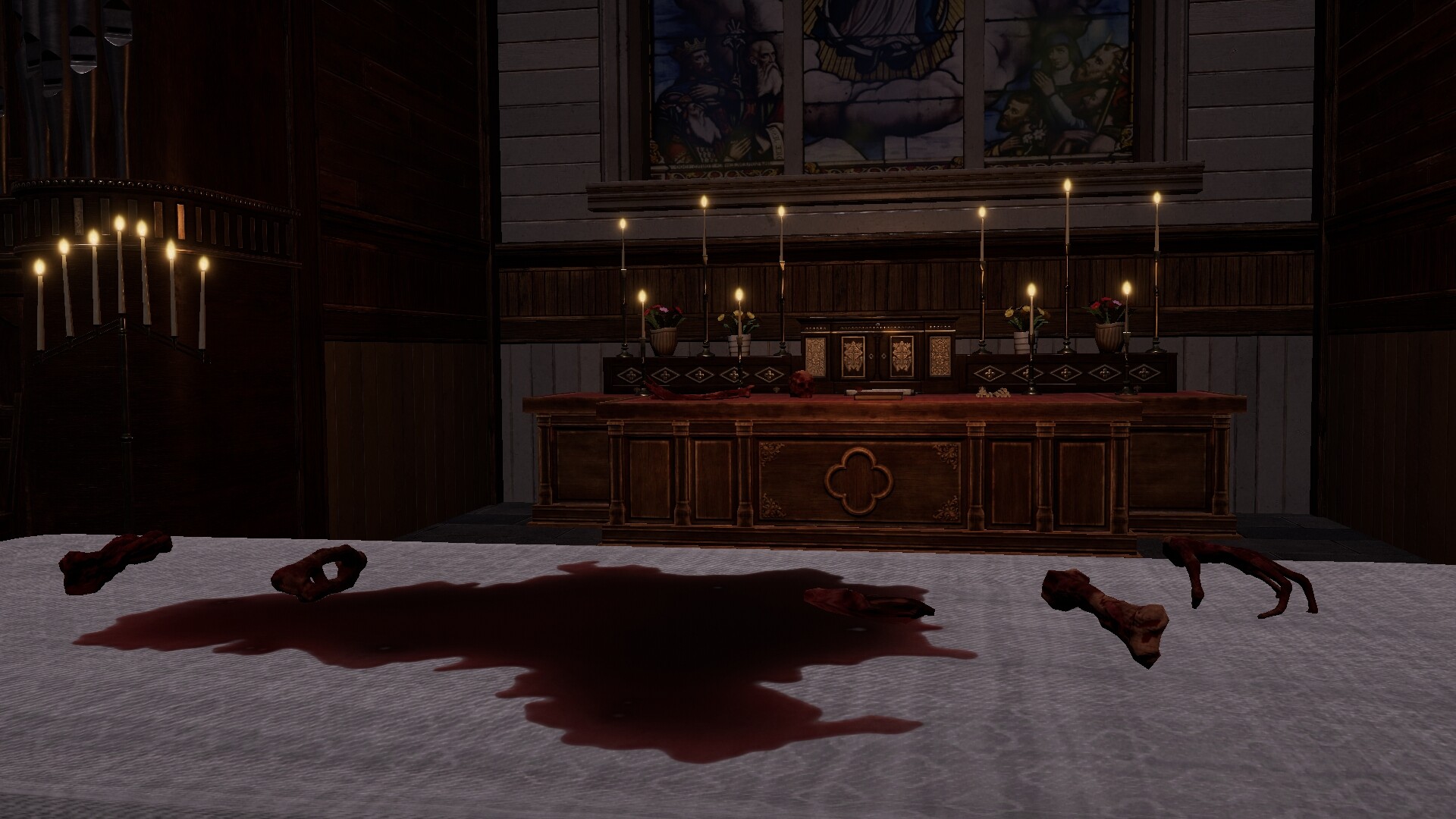
Player scenarios — who should wishlist this
- If you like methodical, document‑driven mysteries: The core loop is reconstructing timelines from manifests, encrypted scraps and suspicious transfer records. This is for players who enjoy following paperwork as much as solving mechanical puzzles.
- If you prefer locked‑room puzzles and clue chains: The mansion’s locked doors, safes and concealed compartments make locked‑room thinking and sequential clue solving central to progression.
- If you want a solitary, atmospheric investigation: The game is single‑player and leans on quiet tension and environmental storytelling rather than competitive or co‑op play.
- If you prefer heavy physics interaction, open editors or multiplayer escape rooms: Trace of the Villa differs—expect narrative discovery and systems restoration rather than sandbox tools or player‑created rooms.
How it compares to nearby mystery and escape titles
| Title | Genre | Atmosphere & story tone | Puzzle focus | Exploration style / Player fit |
|---|---|---|---|---|
| Trace of the Villa | Action / Adventure / Indie | Mansion mystery, slow‑burn suspense; identities erased, bureaucratic traces | Systems restoration, safes, encrypted documents, clue chains | Single‑player, investigative readers who value narrative puzzle sequencing |
| The Room | Adventure / Indie | Intimate, mechanical mystery focused on a singular locked object | Tactile mechanical safes and puzzle boxes |
Leave a Reply