
Who should consider Trace of the Villa after enjoying atmospheric mystery adventures
Trace of the Villa is a story-driven mystery set in a remote, decaying mansion where Jin searches for his missing sister by piecing together manifests, encrypted documents and hidden systems. If you gravitate toward slow-burn suspense, environmental storytelling, and puzzle-driven investigation, this Steam release may be aimed at you.

Quick facts
| Title | Trace of the Villa |
|---|---|
| Release date | 28 May, 2026 |
| Developer / Publisher | Steadyturtle Co., Ltd. |
| Genres | Action, Adventure, Indie |
| Key Steam categories | Single-player; Color Alternatives; Custom Volume Controls; Playable without Timed Input; Subtitle Options; Family Sharing |
| Steam store | Trace of the Villa on Steam |
What the game is — tone, core premise, and puzzle approach
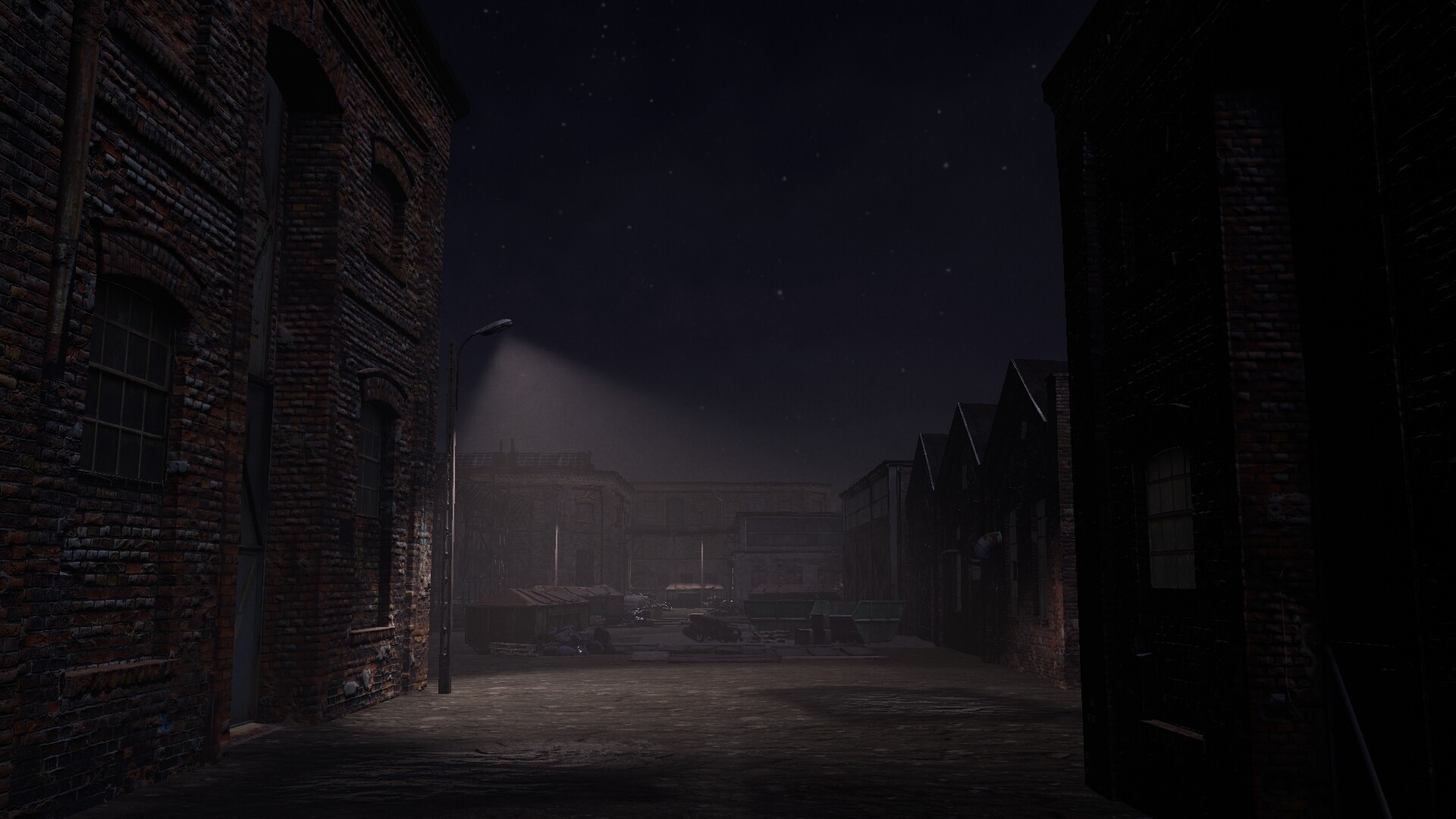
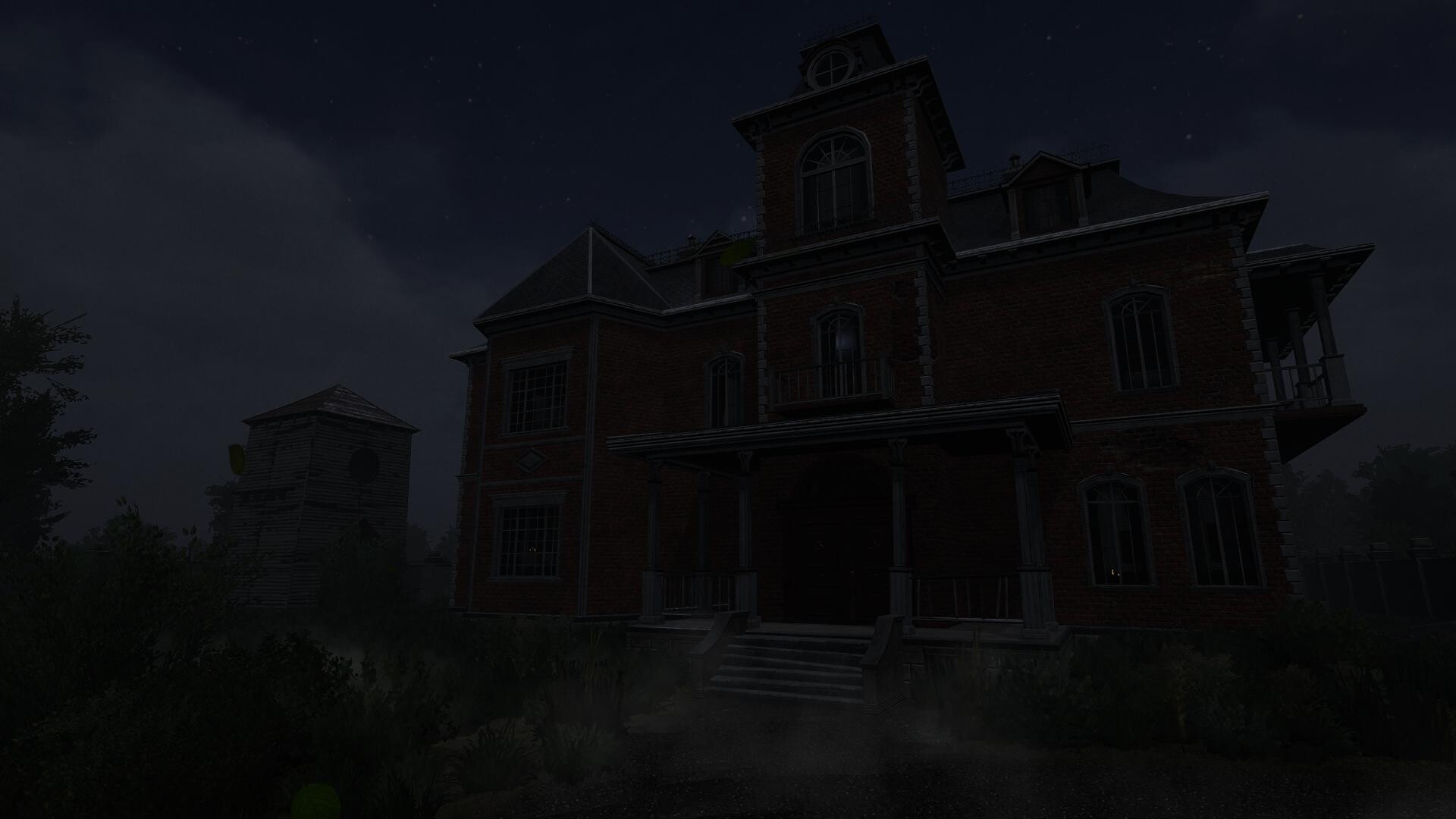
The official premise centers on Jin’s long search for a missing sister that leads to a property “cut off from the grid.” The mansion is presented as if its occupants were erased rather than simply gone: rooms furnished, locked doors, hidden compartments and systems that only reveal their records once power is restored. Official notes on the Steam page highlight encrypted documents, suspicious transfer records, falsified identities and financial trails—concrete clue types you’ll encounter—so the investigation blends environmental storytelling with lock-and-key puzzle work and document-based reconstruction of events.
When and where
Trace of the Villa launched on 28 May, 2026 on Steam. It’s listed as an Action / Adventure / Indie title on the store page and is distributed by its developer, Steadyturtle Co., Ltd.
Who this is for (player fit)
- Players who prefer atmospheric mystery adventure games set in single locations (a mansion) where the environment itself supplies clues and tone.
- Those who like clue-driven, document-and-system puzzles: Steam notes mention encrypted documents, safes, suspicious transfers and falsified identities as investigation threads.
- Fans of story-rich, slow-burn suspense rather than fast-paced combat—categories emphasize single-player and accessible options like subtitle support and “playable without timed input.”
- Players who appreciate methodical reconstruction of events through exploration and restoring systems (power, locked compartments) rather than purely inventory-based point-and-click mechanics.
Why the theme matters
The Steam description frames the mansion as deliberately forgotten and partially erased. That thematic choice—absence of names, removed identities, and financial/administrative obfuscation—shifts the investigative focus toward reading systems (records, transfers, manifests) as much as reading rooms. If you value environmental storytelling where silence and small artifacts build dread and context, that approach shapes pacing and puzzle design in ways that differ from games that foreground mechanical puzzles or direct survival threats.
How you progress
According to the official text, progression is tied to restoring systems and unlocking sealed spaces: bringing power back online reveals secured systems; locked doors and safes yield fragments of evidence. Puzzles therefore appear interleaved with investigative beats—power restoration, decryption or access, then narrative reward in the form of documents and records that extend the trail toward Jin’s sister.
Comparison: where Trace of the Villa sits among similar mystery/adventure titles
Below is a compact, lawful editorial comparison focusing on tone, pacing, clue emphasis and exploration style using only the publicly available descriptions of each title.
| Title | Genre(s) | Atmosphere / Tone | Pacing | Clue & Puzzle Focus | Exploration Style | Best for players who… |
|---|---|---|---|---|---|---|
| Trace of the Villa | Action, Adventure, Indie | Decaying, erased-identity mansion; suffocating silence and administrative traces | Measured investigation that grows personal | Document fragments, safes, encrypted records, power/systems restoration | Room-focused exploration, unlocking sealed compartments and systems | Want narrative-led, clue-driven mansion mysteries and environmental storytelling |
| Amnesia: The Dark Descent | Action, Adventure, Indie | Immersive, nightmare-horror | Slow-building dread with survival-horror beats | Discovery and immersion; atmosphere over mechanical inventory puzzles (per description) | First-person survival exploration in psychologically tense spaces | Seek intense immersion and dread-focused exploration |
| SOMA | Action, Adventure, Indie | Sci-fi horror, existential | Atmospheric, reflective pacing beneath the waves | Story and existential questions; investigative elements tied to setting | Environment-driven exploration in a contained, hostile location | Prefer sci-fi-inflected psychological horror and narrative weight |
| Layers of Fear (2016) | Adventure, Indie | First-person psychological horror in a Victorian mansion | Introspective, with shifting spaces and narrative reveals | Atmosphere and storytelling-driven puzzles | Exploration of a morphing mansion; emphasis on narrative set-pieces | Enjoy artful, psychological mansion tales that prioritize mood |
| The Room | Adventure, Indie | Mysterious, puzzle-box tone | Focused, puzzle-by-puzzle progression | Mechanical puzzle safes and physical puzzle devices | Contained, object-centric exploration (room/box scale) | Prefer tactile mechanical puzzles and compact, self-contained mystery |
Leave a Reply