
Trace of the Villa — an escape-room style mystery built around power, space and evidence
Jin has followed a lead to a remote, decaying mansion where recovered manifests and hints suggest his missing sister may still be alive. Trace of the Villa (Steadyturtle Co., Ltd.) stages that investigation as a slow-burn, clue-driven exploration where restoring power and unlocking systems is how the house tells its story.

Who this is for
Players who enjoy atmospheric mystery adventure and narrative puzzle design will find the pacing and structure familiar: slow, deliberate, and driven by environmental storytelling. If you prefer locked-room thinking — reading a space for what it omits as much as what it contains — this game’s premise (Jin searching for his missing sister in a mansion cut off from the grid) is aligned with that approach.
What the game is
Trace of the Villa is an Action / Adventure / Indie release from developer and publisher Steadyturtle Co., Ltd. According to the Steam page, the estate is deliberately forgotten and lacks recent records; rooms feel as if occupants vanished mid-routine. The player reconstructs timelines and evidence as secured systems, safes and hidden compartments become accessible.
When and where
Trace of the Villa launched on 28 May, 2026 and is available on Steam for PC. The Steam presence lists the game’s genres and various accessibility categories such as Subtitle Options, Color Alternatives, Custom Volume Controls, and an option to play without timed input.
Why the theme matters
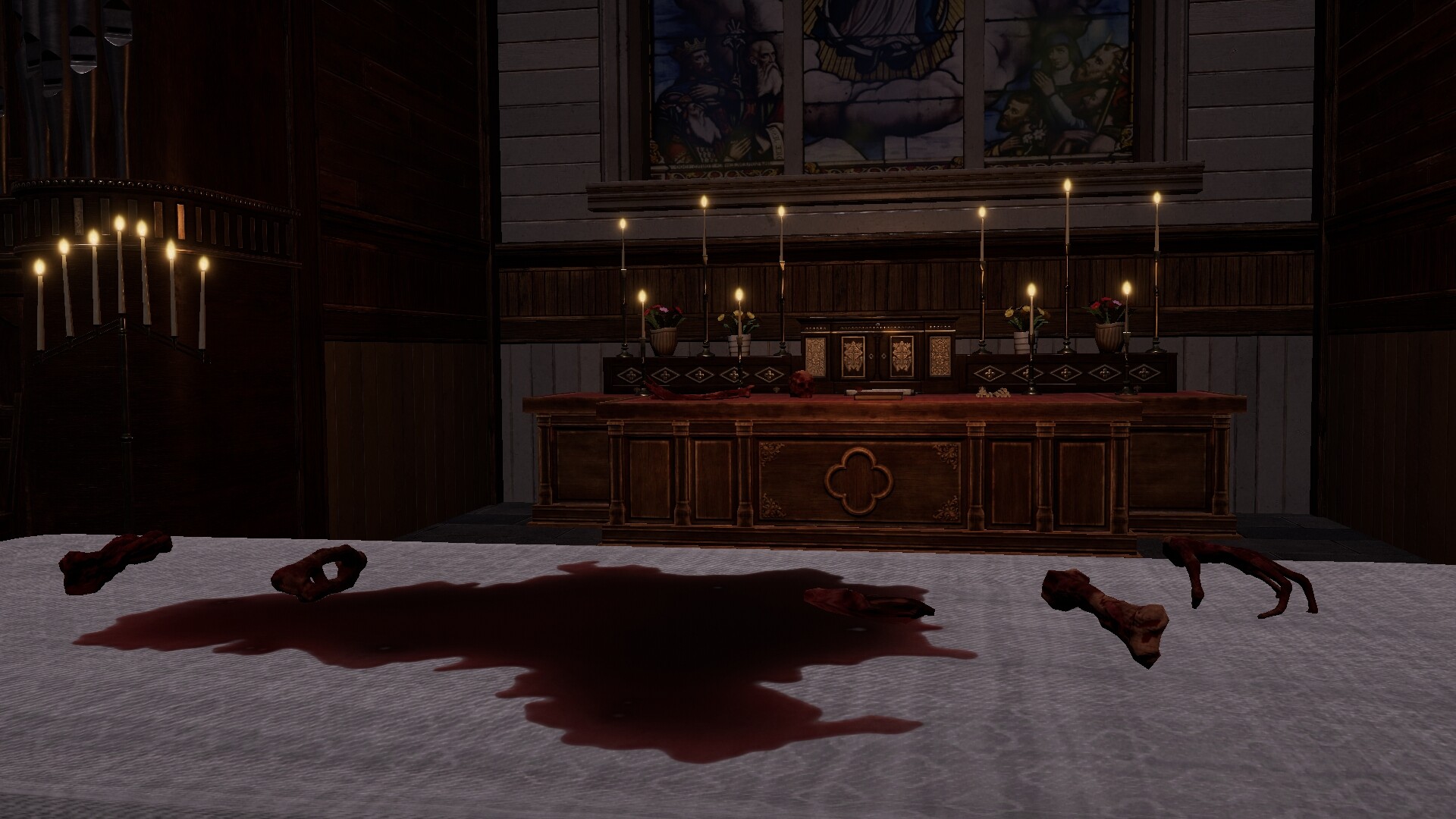
Thematically, the mansion-as-container works well for clue chains and environmental reading: the house as an active archive. The official description emphasizes that restoring power to the estate is the trigger for discovery — secured systems come back online, hidden compartments unlock, and fragments of encrypted documents and suspicious transfer records appear. That central conceit makes the act of re-enabling the estate itself a gameplay loop and storytelling device.
How you progress — reading space and following links of evidence
Progress leans on three linked activities: restore power to bring locked electronics and security systems back online; use those systems to unlock physical spaces and safes; and assemble the resulting fragments into a coherent timeline. The game’s design foregrounds chained discovery — one unlocked system yields a clue that points to another sealed compartment, another document, or another room — so players who enjoy methodical deduction and environmental forensics should feel at home.

Quick facts
| Title | Trace of the Villa |
|---|---|
| Developer / Publisher | Steadyturtle Co., Ltd. |
| Release date | 28 May, 2026 |
| Genres | Action, Adventure, Indie |
| Steam categories | Single-player; Color Alternatives; Custom Volume Controls; Playable without Timed Input; Subtitle Options; Family Sharing |
| Steam appid | 3483660 |
How it compares (short)
If you use other clue-driven puzzle games as reference points, here’s a practical editorial comparison based on genre, atmosphere, puzzle focus and pacing.
| Title | Genre / Tone | Puzzle focus | Exploration & pace | Player fit |
|---|---|---|---|---|
| The Room | Adventure / Indie — focused, tactile mystery | Mechanical safes and tactile puzzles | Single-room, tightly staged, puzzle-first | Players who like handcrafted mechanical puzzles and compact challenge loops |
| The Room Two | Adventure / Indie — cryptic, atmospheric | Layered puzzle sequences with environmental hooks | Broader spaces than the first; maintains deliberate pacing | Fans of methodical unraveling across connected spaces |
| Escape Simulator | Adventure / Casual / Indie — interactive escape-room style | Highly interactive object-based puzzles and physics play | Room-to-room variety; faster, toy-like interaction | Players who enjoy picking things up, moving furniture, and physics-based experimentation |
| Hi-Fi RUSH | Action — rhythm-driven, energetic tone | Combat and timing over environmental puzzles | Fast-paced, arcade-like | Players seeking action and rhythm rather than slow investigation |
Editorial note: these comparisons are editorial discovery — they highlight differences in atmosphere, puzzle emphasis and pacing rather than making superiority claims.
Player scenarios — who should wishlist this
- Locked-room thinker: You enjoy inferring missing information from a small set of clues. Trace of the Villa positions locked systems and sealed rooms as narrative nodes to be reactivated.
- Clue-chain assembler: You prefer puzzles that function as links in a chain — a recovered manifest points to a safe code that opens a terminal — and you like the satisfaction of completing that chain.
- Environmental reader: You take pleasure in what a well-dressed environment implies (or deliberately omits). The mansion’s staged, erased feel is designed to reward careful observation.
- Slow-burn explorer: You favor atmospheric, story-rich adventure over constant action; the Steam listing’s categories like subtitles and no timed input make it approachable to methodical players.
Where to watch for trailer or gameplay
Use this YouTube discovery search if you want to find trailers or user videos: Search Trace of the Villa on YouTube. This link is a discovery path rather than confirmation of a specific official video.
Decide quickly — is it for you?
If you value narrative puzzle design driven by restoring systems and reading a staged environment, Trace of the Villa’s mansion mystery approach will fit your tastes. If you prefer fast action or physics-led interaction, other titles in the comparison table will better match your expectations.
Leave a Reply