
Trace of the Villa: why quiet tension and patient uncertainty matter more than jump scares
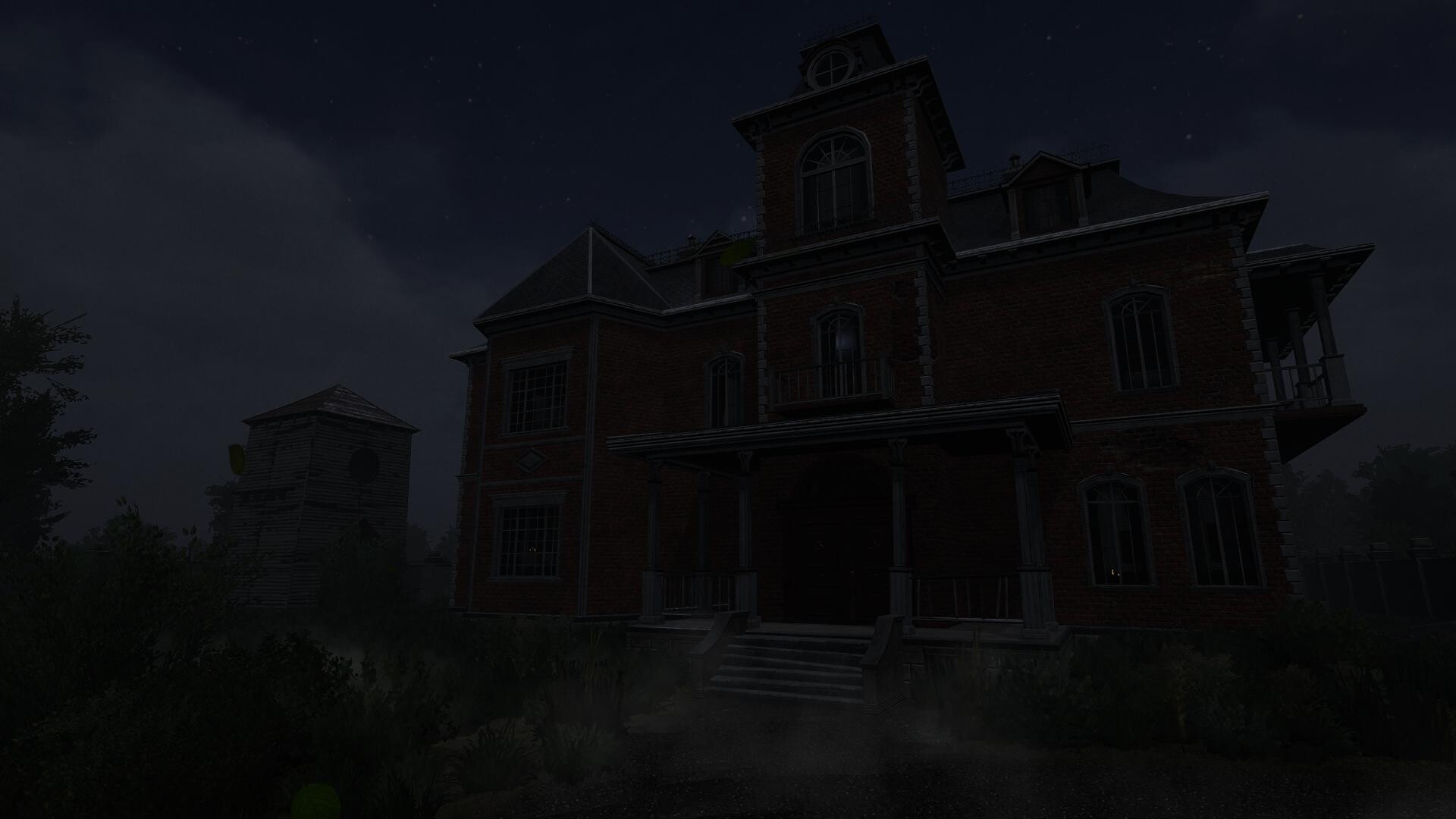
Trace of the Villa (Steadyturtle Co., Ltd.) is a slow-burn, clue-driven mystery set in a remote, decaying mansion where Jin searches for a missing sister. Released on 28 May, 2026 on Steam, the game leans on environmental storytelling, power-restoration puzzles, and the steady reveal of erased identities rather than shock shocks and overt spectacle.

Who this is for
Players who prefer mood-driven horror over adrenaline-laced scares: people who enjoy methodical exploration, reading documents and manifests, and assembling an unsettling timeline from small, corroborating details. If you like story-rich adventure and psychological investigation that rewards careful observation, Trace of the Villa fits that appetite.
What the game is
Trace of the Villa casts you as Jin, a protagonist who has spent years searching for his missing sister. A lead brings him to an off-grid mansion whose rooms look as if people vanished mid-routine. You recover manifests and hints that suggest his sister might still be alive, and by restoring power and unlocking systems you gradually unearth encrypted documents, falsified identities, and financial traces. The game is listed on Steam under Action, Adventure, Indie, and includes single-player-friendly categories such as Color Alternatives, Custom Volume Controls, Playable without Timed Input, Subtitle Options, and Family Sharing.
When and where
Trace of the Villa released on Steam on 28 May, 2026. It is published and developed by Steadyturtle Co., Ltd. — available through the Steam store page for PC players.
Why quiet tension and uncertainty matter
Psychological horror built from ambiguity depends on restraint. Trace of the Villa privileges erasure and absence—rooms left intact but stripped of identifiers, systems that when restored reveal careful obfuscation—so dread grows from unanswered questions rather than repeated shocks. That pacing lets small discoveries recontextualize earlier moments, and it keeps the player actively interpreting clues rather than reacting reflexively to scripted frights.
How you progress: reading clues and unlocking the house
Progression is investigative and puzzle-adjacent: recover manifests and tangible hints, restore power to the estate to re-enable secured systems, open locked compartments and safes, and decode fragments of encrypted documents and suspicious transfer records. Each solved puzzle uncovers another layer of the manor’s operations—financial trails, falsified identities, and patterns of arrivals and departures without records—so advancement comes from connecting evidence into a coherent timeline.

Player scenarios — would you wishlist this?
- The investigative slow-burner: You enjoy reading documents, piecing together timelines, and returning to earlier locations with fresh hypotheses. Trace of the Villa’s manifest-driven clues and gradual system restoration will appeal to you.
- The atmospheric explorer: You value carefully composed spaces, lighting, and the sense that a setting remembers people whose names were removed. You prefer tension sustained by mood rather than constant enemy encounters.
- The puzzle-minded detective who dislikes twitch mechanics: The game’s categories include Playable without Timed Input and Subtitle Options, suggesting accessibility for players who avoid reflex-based challenges but want cerebral puzzle work.
- The player who wants a narrative mystery on Steam: If you like story-rich adventure with an investigative focus, this is a Steam indie that uses environmental storytelling and document recovery rather than combat-forward horror.
Compact facts: Trace of the Villa
| Title | Trace of the Villa |
|---|---|
| Steam AppID | 3483660 |
| Release date | 28 May, 2026 |
| Developer / Publisher | Steadyturtle Co., Ltd. |
| Genres | Action, Adventure, Indie |
| Key categories | Single-player; Color Alternatives; Custom Volume Controls; Playable without Timed Input; Subtitle Options; Family Sharing |
| Short premise | Jin searches a decaying mansion for his missing sister, recovering manifests and hints that she may still be alive. |
| Steam reviews | No user reviews |
How it sits next to nearby titles (editorial comparison)
Below is a concise editorial comparison focused on genre, atmosphere, puzzle emphasis, exploration, and pacing to help you decide if Trace of the Villa matches your tastes.
| Title | Genre / Setting | Atmosphere | Puzzle vs. Survival | Exploration style | Pacing & Tone |
|---|---|---|---|---|---|
| Trace of the Villa | Action / Adventure / Indie — mansion mystery | Subtle, erased identities, institutional obfuscation | Investigation and document-driven puzzles | Slow, clue-focused room-to-room discovery | Slow-burn, tension through ambiguity |
| Amnesia: The Dark Descent | Action / Adventure / Indie — gothic survival horror | Claustrophobic, oppressive dread | Light puzzles, heavy on survival and evasion mechanics | Linear but immersive, first-person exploration | Intense, fear-focused pacing |
| SOMA | Action / Adventure / Indie — sci-fi, underwater | Existential, lonely, unsettling | Story and atmosphere over mechanical puzzles; occasional problem-solving | Exploratory narrative progression with set-pieces |
Steam pageView Trace of the Villa on Steam YouTube discoveryFor trailer and gameplay discovery, use YouTube search rather than relying on unverified embeds: Find Trace of the Villa trailer and gameplay searches on YouTube. CommentsMore posts |
Leave a Reply