Trace of the Villa: why quiet tension and uncertainty matter more than shock claims
Trace of the Villa asks you to read a house like a ledger: every room, appliance and locked safe is a sentence in a slowly unfolding investigation. Released 28 May, 2026 by Steadyturtle Co., Ltd., it trades jump scares for environmental storytelling and puzzle-led discovery inside a remote, decaying mansion.

Who: the player this is for
If you prefer atmospheric mystery adventure over instant shocks, this is aimed at you. Trace of the Villa suits players who like clue-driven exploration, methodical puzzle design and a slow-burn, psychological investigation rather than fast-paced combat or steady jump-scare fodder. The Steam page lists genres as Action, Adventure, Indie and categories such as Single-player, Subtitle Options, and Playable without Timed Input — signals that the emphasis is on solo exploration and accessible pacing.
What: the game in a line
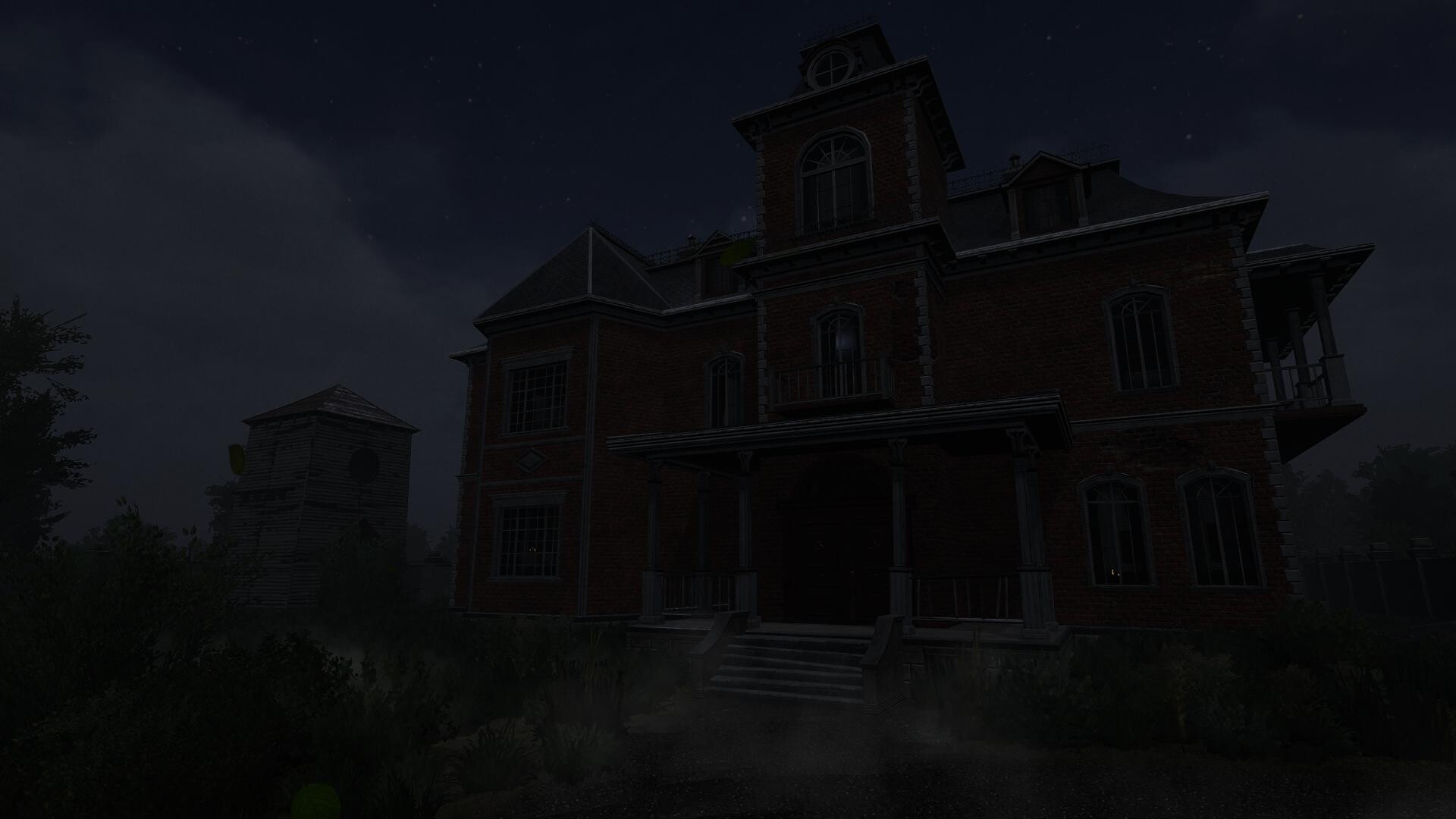
Jin has spent years searching for his missing sister; a lead takes him to a deliberately forgotten mansion where manifests and hints suggest she may still be alive — and the house itself feels less abandoned than erased. The official Steam description emphasizes restored power, unlocked systems, safes and encrypted documents that gradually reveal a carefully concealed operation and a timeline of arrivals and departures.
When & where: release and Steam context
Trace of the Villa released on 28 May, 2026 and is available on Steam for PC. The developer and publisher are listed as Steadyturtle Co., Ltd., and the Store page includes the usual accessibility-style categories (Color Alternatives, Custom Volume Controls, Subtitle Options) that make it easier to play at your own pace.
Why the quiet tension matters
Psychological horror built around uncertainty relies on omission as much as inclusion: missing photographs, emptied identity records and locked rooms create a narrative gap the player wants to fill. When a game’s design invites slow inspection—restoring power, reading manifests, solving encrypted fragments—tension comes from the dread of what a recovered detail might imply, not from reflexive loud cues. That kind of dread lingers: it encourages interpretation, replay of scenes with new information, and a stronger memory of unease than a series of abrupt shocks.
How progression and discovery work
The Steam description outlines a progression loop that is investigative and puzzle-led. Jin restores systems and power, which in turn reveals hidden compartments and secured safes; decrypted fragments and transfer records point to patterns. Expect environmental puzzles, locked containers and document-driven clues that chain together to reveal the mansion’s timeline. The Store notes features like “Playable without Timed Input” and subtitle support, which suggests a focus on deliberate puzzle solving and reading rather than on twitch reaction.
Specific player scenarios — does this fit your steam wishlist?
- Investigator player: You enjoy reading files and building timelines. You’ll appreciate the manifests, encrypted documents and safes the game promises.
- Atmosphere-first player: You want tension that accumulates. If you prefer slow-burn suspense to constant alarm, this matches that preference.
- Puzzle-minded explorer: If you like environmental puzzles unlocked by system restoration and logic rather than reflex challenges, Trace of the Villa’s “Playable without Timed Input” tag is relevant.
- Accessibility-conscious player: Color alternatives, subtitle options and custom volume controls are present on the Store page — useful for tailoring the experience to your needs.
Quick facts
| Title | Trace of the Villa |
|---|---|
| Steam AppID | 3483660 |
| Developer / Publisher | Steadyturtle Co., Ltd. |
| Release date | 28 May, 2026 |
| Genres | Action, Adventure, Indie |
| Notable Steam categories | Single-player, Color Alternatives, Custom Volume Controls, Playable without Timed Input, Subtitle Options, Family Sharing |
| Short premise (official) | Jin searches a remote, decaying mansion for leads that suggest his missing sister may still be alive. |
How it compares (editorial discovery)
The table below is a comparison on practical editorial criteria: atmosphere, puzzle/exploration focus, pacing and the kind of player likely to enjoy each title.
| Title | Primary genre / setting | Atmosphere / story tone | Puzzle vs. exploration focus | Pacing / player fit |
|---|---|---|---|---|
| Trace of the Villa | Action / Adventure (mansion investigation) | Quiet, erased identities; investigative dread | Document-driven puzzles, locked safes, system restoration | Slow-burn; for players who prefer methodical discovery |
| Amnesia: The Dark Descent | Action / Adventure (first-person gothic) | Immersive, claustrophobic nightmare | Exploration with physics/light puzzles and inventory interaction | Slow to intense; immersion-focused players who accept helplessness |
| SOMA | Action / Adventure (sci-fi, underwater) | Existential, claustrophobic and philosophical | Exploration with narrative puzzles and system-based reveals | Measured pacing; players who want story-driven, unsettling science fiction |
| Layers of Fear (2016) | Adventure (Victorian mansion, psychological) | Surreal, painterly descent into madness | Environmental puzzle and narrative progression through changing rooms | Atmospheric and story-forward; suited to mood and narrative seekers |
Leave a Reply