Trace of the Villa: Why Quiet Tension Matters More Than Shock Claims
Trace of the Villa trades loud jump scares for a slow, insistent dread: an investigator piecing together a vanished household from whispers of evidence. Released on 28 May, 2026 by Steadyturtle Co., Ltd., it’s a story-led atmospheric mystery adventure on Steam that asks you to read a house like a witness rather than survive a gauntlet of monsters.

Who should wishlist this on Steam?
If you prefer atmospheric mystery adventure, narrative puzzle design, and slow-burn suspense over twitch reflex horror, Trace of the Villa is aimed at you. Players who value environmental storytelling, methodical clue-driven exploration, and a personal-mystery throughline — rather than constant combat or startling jump scares — will get the most from this Steam indie horror-adjacent experience.
What the game is
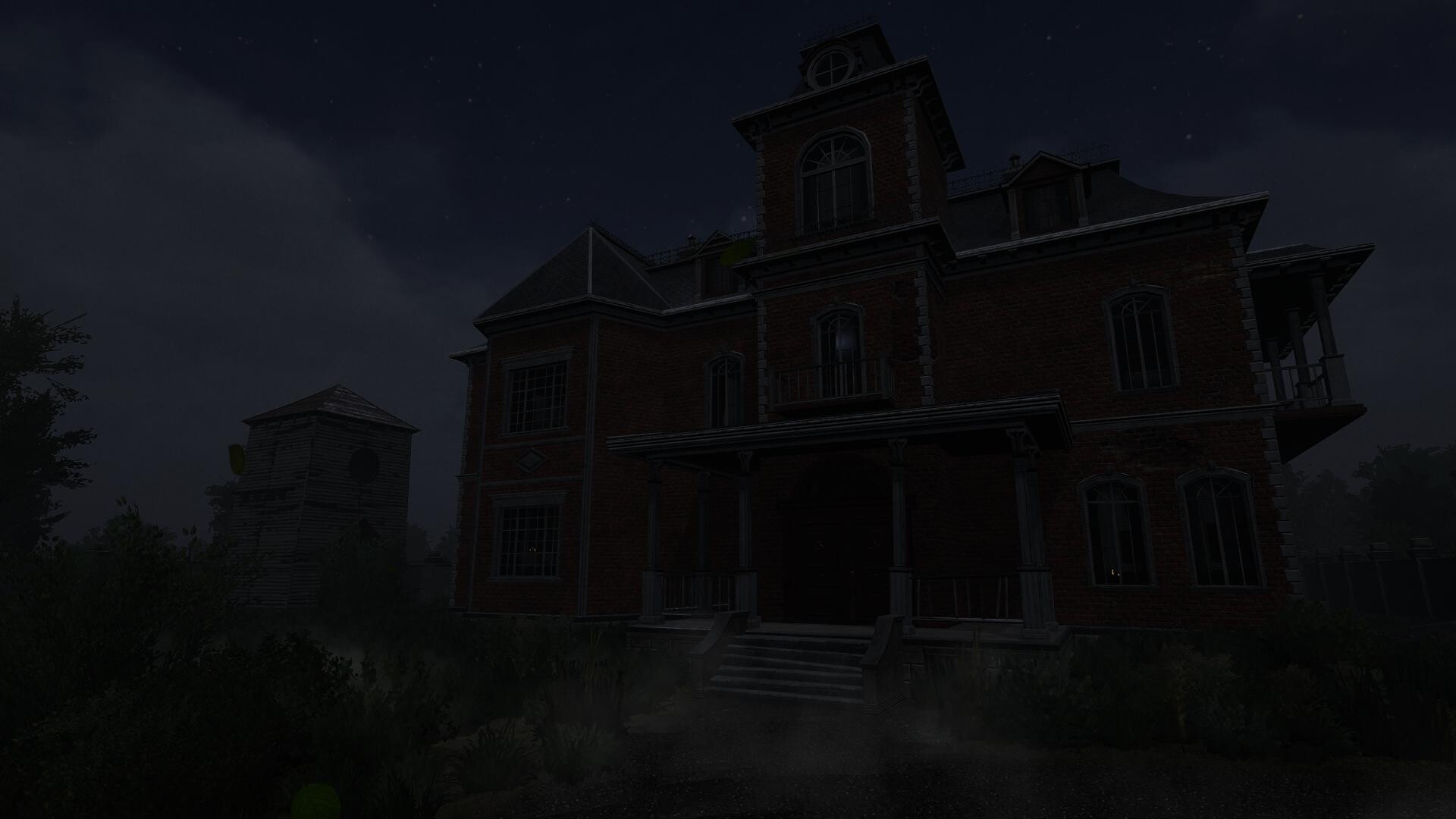
Trace of the Villa positions you as Jin, a protagonist who has spent years searching for his missing sister. The game’s official short description and store text frame it as a psychological investigation inside a remote, decaying mansion. As you restore power and systems, the estate reveals encrypted documents, safes, and sealed compartments that gradually reconstruct a disturbing timeline. The Steam page lists the title under Action, Adventure, and Indie and highlights categories including Single-player, Color Alternatives, Custom Volume Controls, Playable without Timed Input, Subtitle Options, and Family Sharing.
When and where
Trace of the Villa launched on Steam on 28 May, 2026. The Steam store page is the primary place to wishlist, read official descriptions, view screenshots, and watch community-posted clips. For discovery and gameplay footage, you can search YouTube directly: search Trace of the Villa trailers and gameplay on YouTube. (That link is a search path — Steam assets are the authoritative source for official marketing images and descriptions.)
Why the theme matters: tension over shocks
Quiet tension asks the player to supply fear through attention. When a mansion looks “erased” rather than merely abandoned — rooms frozen mid-routine, possessions present but names removed — the sensation comes from implication. That restraint turns small discoveries (a logged transfer record, an empty photo frame, a powered-but-muted security feed) into emotional beats. Slow-burn suspense makes the unknown feel meaningful: each clue reframes what you thought you understood, rather than prompting a fleeting startle that vanishes the moment the sound stops.
How progression and puzzles work
Official store text details the investigative arc: restoring power and reactivating estate systems is a core mechanical and narrative hook. Secured systems come back online, hidden compartments unlock, and safes yield fragments of encrypted documents and suspicious transfer records. Progress is driven by piecing together these fragments into timelines and motives; the game leans on environmental puzzle solving and document-driven revelations instead of timed survival mechanics. Categories on Steam also note accessibility options like Playable without Timed Input and Subtitle Options, supporting a measured, contemplative pace.

Compact facts — Trace of the Villa
| Title | Trace of the Villa |
|---|---|
| Steam App ID | 3483660 |
| Release date | 28 May, 2026 |
| Developer | Steadyturtle Co., Ltd. |
| Publisher | Steadyturtle Co., Ltd. |
| Genres | Action, Adventure, Indie |
| Key categories | Single-player; Color Alternatives; Custom Volume Controls; Playable without Timed Input; Subtitle Options; Family Sharing |
| Official short description | Jin has spent years searching for his missing sister, pursuing leads that took him to a remote, decaying mansion where he recovered manifests and hints that indicate his sister may still be alive, somewhere at the end of the trail he is about to follow. |
Quick comparison: where this sits among slow-burn mystery titles
Below is an editorial comparison focused on tone, pacing, puzzle emphasis, and exploration style — meant to help you decide if Trace of the Villa fits your tastes.
| Game | Primary tone | Puzzle vs survival | Pacing | Exploration style | Who might prefer it? |
|---|---|---|---|---|---|
| Trace of the Villa | Quiet, investigative, uncanny mansion mystery | Puzzle-driven investigation (documents, locked systems) | Slow-burn, clue-by-clue revelation | Methodical environmental reading and system restoration | Players who want narrative puzzles and atmosphere over scares |
| Amnesia: The Dark Descent | Immersive dread and helpless survival | Survival + environmental puzzles | Tense, unpredictable spikes of fear | First-person immersion with hiding and evasion mechanics | Players seeking visceral dread and sustained tension |
| SOMA | Existential, sci-fi psychological horror | Exploration and narrative puzzles with survival elements | Slow-to-moderate, philosophically heavy | Confined, atmospheric facility exploration | Players who want narrative depth and unsettling ideas |
| Layers of Fear (2016) | Psychological, shifting-household madness | Environmental puzzles framed by a narrative drive | Variable; often creeping with sudden reveals | Shifting mansion with a focus on story and mood | Players who prioritize artful atmosphere and story tone |
| Poppy Playtime | Playful-but-menacing factory horror | Puzzle-adventure with encounter-based tension | More set-piece and episodic tension | Factory rooms that mix platforming and puzzles | Players who like puzzle mechanics intertwined with set encounters |
Editorial note: these comparisons focus on genre, pacing, exploration and puzzle emphasis rather than claims of superiority or shared IP.
Player scenarios — will you enjoy it?
- If you like reading spaces: You spend time examining props, logs, and small inconsistencies to form theories. Trace of the Villa’s restored systems and encrypted traces reward that patience.
- If you prefer plot-first puzzle paths: The narrative thread (a missing sister and an
Steam page
Leave a Reply