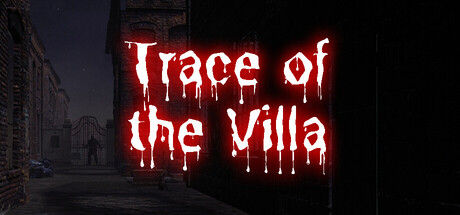
Trace of the Villa — a slow-burn mansion mystery for clue-first players
Trace of the Villa drops you into a decaying, off-grid mansion where Jin, the protagonist, follows manifests and hints that suggest his missing sister may still be alive. Released on 28 May, 2026, the Steadyturtle Co., Ltd. title leans into environmental storytelling and investigative pacing rather than combat spectacle.

Quick facts
| Title | Trace of the Villa |
|---|---|
| Steam App ID | 3483660 |
| Release date | 28 May, 2026 |
| Developer / Publisher | Steadyturtle Co., Ltd. |
| Genres | Action, Adventure, Indie |
| Key Steam categories | Single-player; Color Alternatives; Custom Volume Controls; Playable without Timed Input; Subtitle Options; Family Sharing |
| Store link | Trace of the Villa on Steam |
Who is this for?
Trace of the Villa is aimed at players who prize story-first mystery design: people who prefer reading the room, piecing together fragments of identity, and letting atmosphere and hints steer their conclusions. If you enjoy environmental storytelling, investigative pacing and puzzles that reveal narrative layers rather than rapid-fire action, this one is squarely in your lane.
What the game is
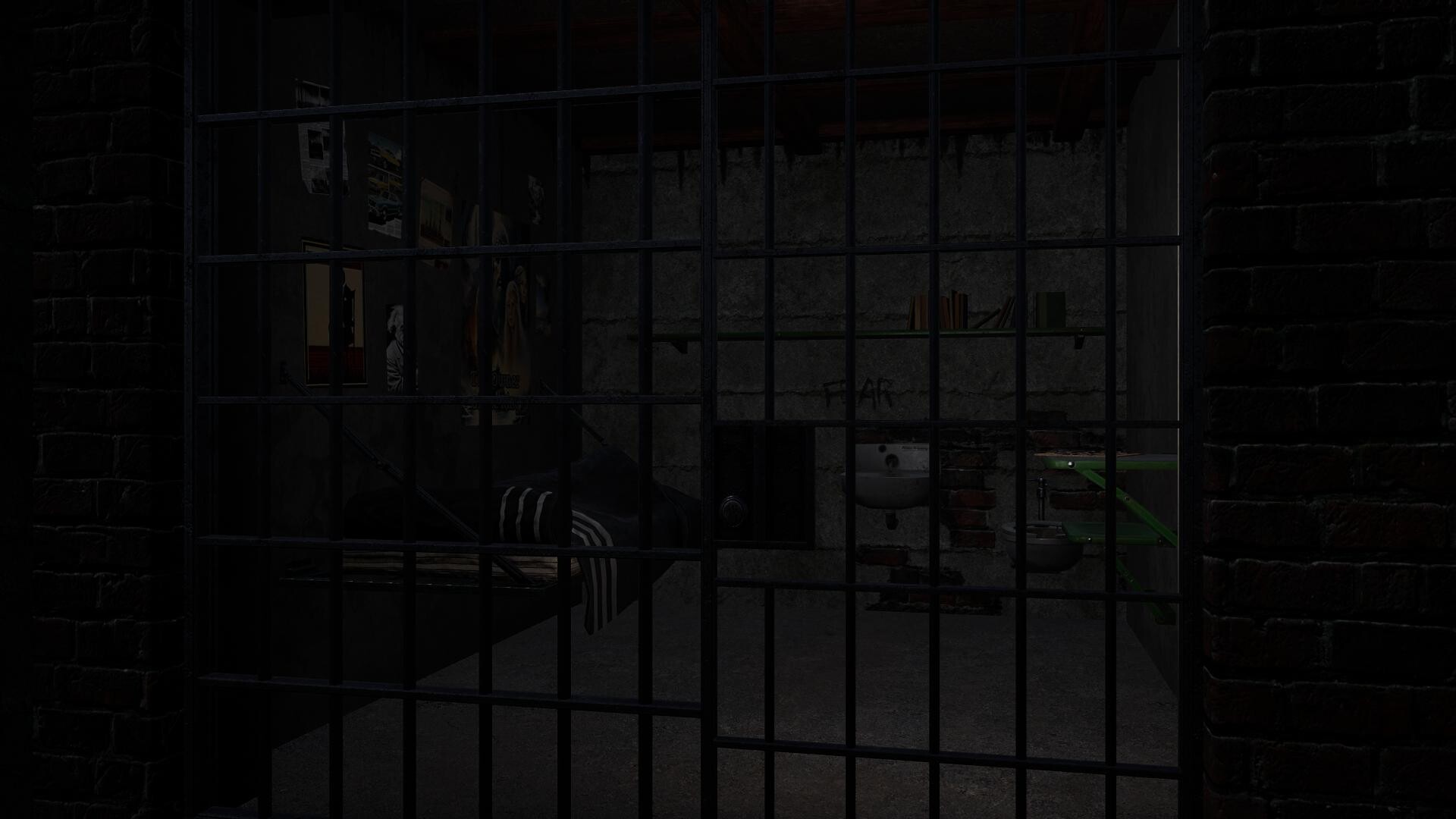
Officially, the premise centers on Jin, who “has spent years searching for his missing sister, pursuing leads that took him to a remote, decaying mansion” where recovered manifests and hints indicate she may still be alive. The mansion is presented as deliberately forgotten — furnished rooms, locked doors, and missing names or photos suggest that identities were erased. As the player restores power and systems, the house reveals secured systems, hidden compartments and encrypted fragments that map a larger, controlled operation.
When and where
Trace of the Villa released on Steam on 28 May, 2026. It’s published and developed by Steadyturtle Co., Ltd. and listed under Action / Adventure / Indie on Steam’s PC storefront.
Why the theme matters
The mansion-as-evidence trope works here because the design centers on absence as a clue — items are present but identity is removed. That approach turns routine search behavior into narrative work: restoring power and unlocking safes are not only mechanical beats, they’re revelations that shift the player’s understanding of who might have passed through this place and why. For players attracted to psychological investigation and slow-burn suspense, the emotional stakes (a missing sister) create a personal throughline that shapes exploration choices.
How you progress: reading systems, not just rooms
The official description notes clear mechanical beats you can expect: when Jin restores power to the estate, “secured systems come back online. Hidden compartments unlock. Safes yield fragments of encrypted documents and suspicious transfer records.” The progression therefore mixes environmental puzzle solving (finding and manipulating physical locks, power), forensic reading (decoding manifests, following financial trails), and assembly of a timeline from fragments rather than explicit exposition. Expect clue-driven exploration and layered revelation rather than explicit narrative breadcrumbs every step of the way.
Player scenarios — who should wishlist this
- The slow-investigator: You enjoy methodical discovery, collecting documents and following faint leads; combat and action are secondary to assembling a coherent timeline.
- The atmospheric story fan: If you gravitate to games that use lighting, sound and set dressing to imply backstory, this mansion’s “erased” identities will reward close attention.
- The puzzle-narrative hybrid player: You like puzzles that are explicitly tied to story beats — restoring systems and decrypting records that change what you know and where you go next.
Comparison: Where Trace of the Villa sits among narrative mysteries
| Title | Genre / Atmosphere | Puzzle vs Exploration focus | Story tone | Pacing |
|---|---|---|---|---|
| Trace of the Villa | Action / Adventure / Indie — mansion mystery, investigative | Clue-driven exploration + environmental puzzles (power, safes, encrypted records) | Personal, investigative, quietly unsettling (missing sister) | Slow-burn; investigative beats unlock new areas and revelations |
| Inscryption | Adventure / Indie — inky, card-based, psychological horror | Deckbuilding combined with escape-room-style puzzles | Cryptic, meta-textual, unsettling | Variable; punctuated by roguelike runs and meta revelations |
| Outer Wilds | Action / Adventure — cosmic mystery, exploration | Exploration-first; environmental clues across a solar system | Wonderful, melancholic, discovery-focused | Leisurely, player-directed discovery with a time-loop structure |
| Journey | Adventure / Indie — evocative, minimalist exploration | Navigation and environmental storytelling rather than mechanical puzzles | Solitary, poetic, emotional | Short, meditative, steady |
| The Forgotten City | Adventure / Indie / RPG — time-loop mystery with moral stakes | Puzzle and investigative exploration tied to time mechanics | Philosophical, tense, consequence-driven | Paced around looped investigation and consequence discovery |
| The Medium | Adventure — psychological horror with dual-reality exploration | Puzzle-solving across two linked realms; narrative investigation | Haunting, trauma-focused, atmospheric | Steady, story-led with interleaved realm mechanics |
Editorial note: these comparisons focus on design, tone and player fit rather than quality claims.
Where to watch trailers / gameplay
Search for trailers and gameplay videos (useful for judging atmosphere and pacing) at: YouTube search: Trace of the Villa trailer / gameplay. This link is a discovery path and does not assert a specific clip is official.
Final decision guide
Wishlist Trace of the Villa if you want a PC mystery where piecing together identity and institutional concealment matters more than combat spectacle. If you prefer loud action, constant guidance, or fast pacing, this slower investigative approach may frustrate you. For players who like reading documents, restoring systems, and letting the environment answer questions slowly, the mansion’s layers should reward careful play.
Steam
Referenced titles and trademarks are the property of their respective owners. Comparisons here are editorial discovery, not endorsement or claim of affiliation.
Leave a Reply