
Trace of the Villa — a clue-driven mansion mystery for players who read evidence like a case file
Trace of the Villa is an atmospheric mystery adventure about Jin, a man following fractured leads to a remote, decaying mansion that may hold the last traces of his missing sister. Developed and published by Steadyturtle Co., Ltd., the game uses recovered manifests, locked systems, and environmental fragments as the primary language for its puzzles and storytelling.

Quick facts
| Title | Trace of the Villa |
|---|---|
| Release date | 28 May, 2026 |
| Developer / Publisher | Steadyturtle Co., Ltd. |
| Genres | Action; Adventure; Indie |
| Categories (Steam) | Single-player; Color Alternatives; Custom Volume Controls; Playable without Timed Input; Subtitle Options; Family Sharing |
| Store page | View Trace of the Villa on Steam |
Who should wishlist Trace of the Villa
- Players who treat clues as narrative evidence and like their puzzle solutions to reveal story fragments rather than only gates to the next room.
- Fans of slow-burn, atmospheric mystery—people who prefer piecing together timelines and financial traces from documents, safes, and restored systems.
- Single-player explorers who value accessible UX options (color alternatives, subtitles, custom volume, and no timed-input requirements).
What the game is
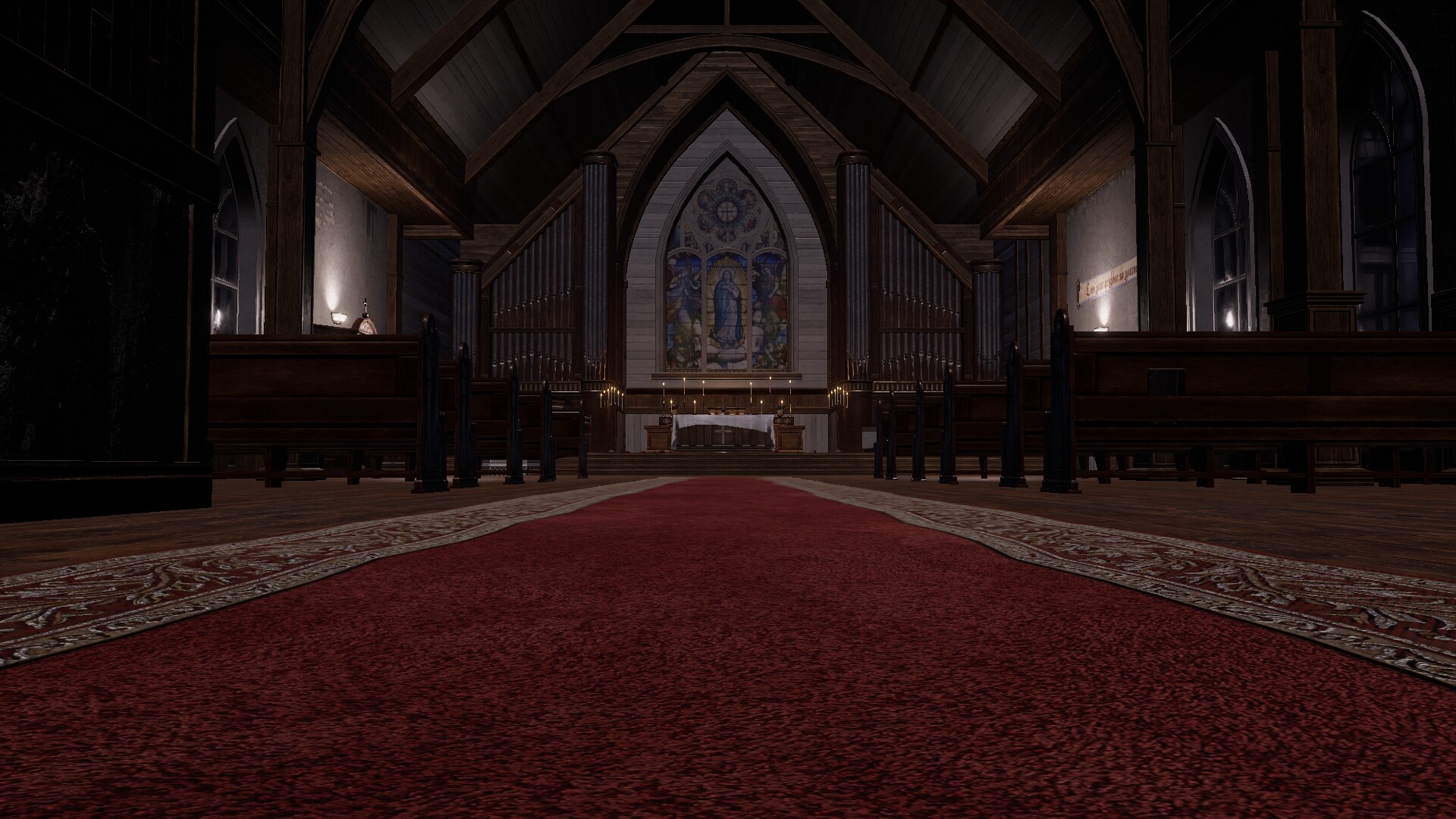
Trace of the Villa places Jin inside a mansion cut off from the grid where “manifests and hints” point toward the possibility that his sister might still be alive. The estate’s rooms look as if occupants vanished mid-routine; locked doors, hidden compartments, and safes yield fragments of encrypted documents and suspicious transfer records. The gameplay emphasis—drawn from the official description—is on restoring systems and reading material evidence to reconstruct a concealed operation. That blend frames puzzles as pieces of an investigative archive rather than abstract brainteasers.
When and where: Steam / PC context
Trace of the Villa released on 28 May, 2026 and is available on Steam for PC. The Steam listing highlights single-player play, accessibility options such as color alternatives and subtitle options, and settings that avoid timed inputs—useful details if you prefer a deliberate, unhurried puzzle experience.
Why the theme matters: puzzles as evidence
This title treats puzzles as evidentiary objects. Instead of puzzles that exist purely for mechanical satisfaction, Trace of the Villa structures solutions to yield context: an encrypted ledger points to a transfer trail, a restored security system unlocks a timeline, a safe releases name fragments. That approach turns ordinary object logic—inventory, reading, pattern recognition—into investigative methods that push the narrative forward. For players who enjoy feeling intellectually close to a case file, that design philosophy makes every solved lock feel narratively consequential.
How you progress: reading clues, object logic, and story puzzles
Based on the Steam description, progression hinges on three designer moves:
- Clue reading: recovered manifests, hints, and documents are primary evidence. Players must track details across objects to build a coherent timeline.
- Object logic: safes, secured systems, and hidden compartments open only when their physical or informational logic is satisfied—restoring power, assembling keys, or decoding fragments.
- Story puzzles: many challenges act as narrative reveals. Solving them doesn’t just open a path; it reveals falsified identities, financial transfers, and patterns of movement that reframe who the mansion served.

Player scenarios: who will enjoy the pacing and why
- The methodical investigator: You prefer cataloguing evidence and connecting micro-details across rooms. Trace of the Villa’s recovered manifests and encrypted fragments will appeal because solutions are built from accumulated proof.
- The atmospheric explorer: You value carefully staged rooms and slow-burn suspense. The mansion’s “erased” identities and furnished-but-empty spaces create tension without relying on jump scares.
- The accessibility-minded player: You want options to control visuals, sound, and input timing. Steam categories show color alternatives, custom volume controls, subtitle options, and playable without timed input.
- The story-first puzzler: You want puzzles that change your understanding of events. Here, solving a safe or restoring power is designed to reveal new narrative layers rather than just a next-door key.
How Trace of the Villa compares (compact)
| Title | Puzzle focus | Atmosphere / Tone | Playstyle & Pacing |
|---|---|---|---|
| The Room | Object-based safes and tactile inspection (lock-and-mechanism puzzles) | Mysterious, intimate room-scale tension | Single-player, focused puzzle boxes; deliberate, tactile pacing |
| The Room Two | Mechanical puzzles embedded in environments (pedestal and pedestal-lock devices) | Cryptic and atmospheric, extends The Room’s scale | Single-player, explorative puzzle progression with increasing complexity |
| Escape Simulator | Highly interactive escape-room style puzzles; object interaction and environmental manipulation | Varied tones depending on room; often playful or puzzly rather than psychological | Solo or co-op play; physics and object manipulation speed up or slow pacing |
| Unpacking | Household, object-placement as puzzle; clues reveal life through items | Zen, reflective rather than suspenseful | Slow, satisfying, non-urgent; narrative emerges from domestic details |
Leave a Reply