Trace of the Villa: an escape-room style mystery built from locked doors, clue chains, and environmental reading
Trace of the Villa drops you into a decaying mansion as Jin, a man following faint manifests and hints that might lead to his missing sister. Its puzzle design leans on restored systems, hidden compartments and layered safes, rewarding players who read rooms as evidence and think in chained solutions rather than single-shot riddles.

Quick facts
| Title | Trace of the Villa |
|---|---|
| Developer / Publisher | Steadyturtle Co., Ltd. |
| Release date | 28 May, 2026 |
| Genres | Action, Adventure, Indie |
| Steam categories | Single-player, Color Alternatives, Custom Volume Controls, Playable without Timed Input, Subtitle Options, Family Sharing |
| Steam page | Trace of the Villa on Steam (store page) |
What the game is — tone and puzzle architecture
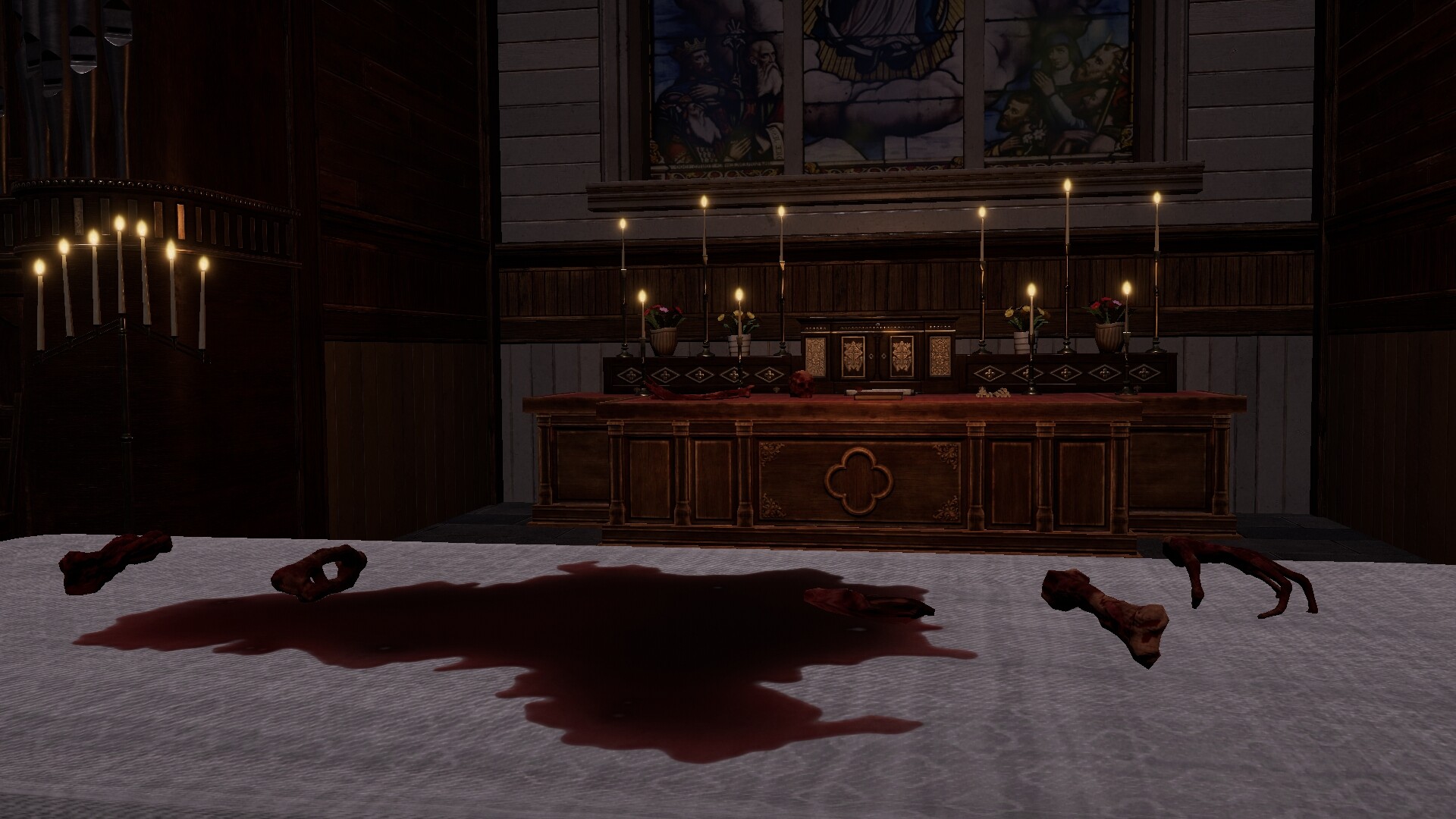
According to the official Steam description, Trace of the Villa places Jin in a secluded, deliberately forgotten mansion where rooms feel “erased” and occupants vanished mid-routine. The house isn’t simply full of stand-alone puzzles: restoring power and bringing systems back online is a core loop. Secured systems come back to life, hidden compartments unlock, and safes yield fragments of encrypted documents and transfer records. That sequence—solve something, trigger a system, reveal a new clue—is the kind of puzzle-chain momentum players should expect.

Who should wishlist this
- Players who prefer atmospheric mystery adventure and slow-burn suspense driven by environmental storytelling and forensic reading of spaces.
- Puzzle fans who enjoy chained solutions—restoring one system unlocking another—rather than isolated mechanical puzzles.
- Anyone who likes a narrative framing that ties investigation to personal stakes (the protagonist Jin is searching for a missing sister, per the official short description).
- PC players who need accessibility options: the Steam page lists subtitles, color alternatives, and the option to play without timed input.
When and where
Trace of the Villa released on Steam on 28 May, 2026. It’s listed as an indie Action/Adventure and available on the Steam store page linked in the facts table above.
Why the theme matters — locked-room thinking in a mansion mystery
The mansion setting enforces a particular logic: confined geography amplifies the importance of every object and surface. When a room’s furnishings look “as if occupants vanished mid-routine” and personal items are left but identities are missing, clues are not only puzzles but narrative evidence. That forces players to treat items as fragments of a timeline—who used this, what was the last known activity, which device controls another room. Locked-room thinking here is about inference: the environment suggests sequences that puzzles then validate or contradict.
How you progress — reading chains, restoring systems, and following manifests
The official description emphasizes actions that are procedural rather than purely symbolic: restore power, bring systems online, open hidden cabinets, decrypt fragments of documents and follow financial trails. Expect to gather fragments (manifests and hints), reach dead ends that become solvable after new systems come online, and piece together a timeline from physical and digital evidence. That momentum—one solved item revealing the next locked piece—is central to the experience.
Player scenarios — who will enjoy Trace of the Villa in practice
Scenario A — The methodical investigator
You like to map your progress and return frequently to rooms once a new tool or restored system changes what’s discoverable. You’ll appreciate the slow accumulation of evidence and how safes or encrypted records become meaningful only when other systems are reactivated.
Scenario B — The atmospheric explorer
You prioritize mood and environmental storytelling. The mansion’s “erased” feel—furnished but identity-stripped—rewards players who linger on set dressing and infer story beats from small details.
Scenario C — The puzzle-chain player
If you enjoy multilayer puzzles where one solution is the key to another, this design will suit you. Expect a chain-like architecture where progress is about sequencing and system interaction rather than solving many disconnected mini-puzzles.
How Trace of the Villa compares to nearby puzzle/mystery titles
Below is a focused editorial comparison using genre, atmosphere, puzzle focus, exploration style, pacing, and recommended player fit. This is an editorial discovery comparison, not a claim of endorsement.
| Title | Genre / Tone | Puzzle focus | Exploration style | Pacing / Player fit |
|---|---|---|---|---|
| Trace of the Villa | Action / Adventure; atmospheric mansion mystery | Clue chains: restore systems, hidden compartments, encrypted fragments | Single-player environmental investigation in a cut-off estate | Slow-burn, investigative; for players who like chained solutions and narrative stakes |
| The Room | Adventure / Indie; intimate, mechanical mystery | Object-centric mechanical puzzles (cast-iron safes, boxes) | Focused on single-room, tactile puzzle boxes | Compact, puzzle-box pace; for players who prefer tactile logic puzzles |
| The Room Two | Adventure / Indie; similar intimate, eerie tone | Progressive mechanical puzzles with atmospheric narrative beats | Still object-focused but expands environments beyond a single attic | Gradual escalation; for players who liked The Room and want slightly broader scope |
| Escape Simulator | Adventure / Simulation; playful, interactive escape rooms | Highly interactive objects, physics, and community-made rooms | Room-by-room, often cooperative or workshop-driven | Faster, sandboxy; for players who like fiddly interaction and co-op community content |
YouTube discovery
For trailers and gameplay videos, search on YouTube: Trace of the Villa trailer & gameplay (YouTube search). This link is provided as a discovery path; it should be used to locate community or official media available on the platform.
Steam link: https://store.steampowered.com/app/3483660/Trace_of_the_Villa/
Referenced titles and trademarks belong to their respective owners. Comparisons in this article are editorial discovery only and not endorsements.
Leave a Reply