
Trace of the Villa — a missing‑person mystery anchored by motive and slow, clue-driven investigation
Trace of the Villa centers on Jin, a protagonist whose years-long search for a missing sister turns a decaying mansion into a map of questions and half-revealed truths. The game stitches environmental storytelling and narrative puzzle design into an investigation where every recovered manifest and encrypted fragment feels like progress toward a person, not a plot point.

Quick facts
| Title | Trace of the Villa |
|---|---|
| Steam AppID | 3483660 |
| Release date | 28 May, 2026 |
| Developer / Publisher | Steadyturtle Co., Ltd. |
| Genres | Action, Adventure, Indie |
| Key Steam categories | Single‑player; Color Alternatives; Custom Volume Controls; Playable without Timed Input; Subtitle Options; Family Sharing |
Who is this for?
If you prize character motivation and missing‑person stakes over flashy spectacle, Trace of the Villa is designed to answer that itch. Players who prefer slow‑burn suspense, environmental storytelling, and narrative puzzles that reward patience—especially those who want the investigation to feel personal to the protagonist—will find the tone and structure appealing. It also suits players who want an action‑adventure shell around puzzle exploration rather than a pure walking sim.
What the game actually is
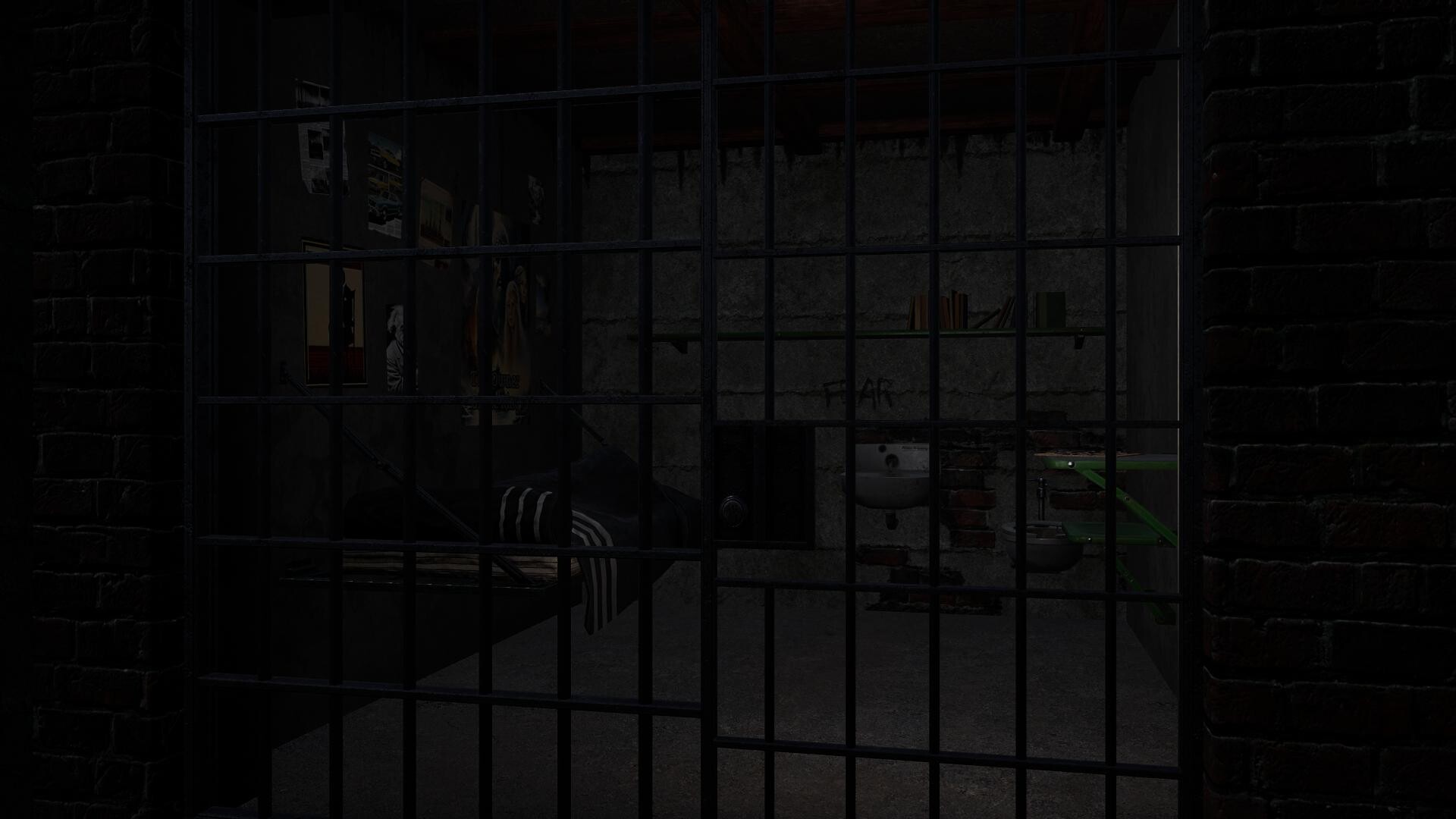
According to the Steam listing, Trace of the Villa follows Jin, who has spent years searching for his missing sister and follows a lead to a remote, decaying mansion. Inside, the house appears deliberately erased: furnished rooms with no photographs or names, locked doors, hidden compartments, safes, encrypted documents and suspicious transfer records. Restoring power to the estate triggers secured systems and reveals more of what was being concealed, turning investigation into a piecemeal puzzle of timelines and false identities.

When and where
Trace of the Villa released on Steam on 28 May, 2026 and is available on PC via its Steam store page. Developer and publisher are both listed as Steadyturtle Co., Ltd., and the game is categorized under Action, Adventure, and Indie on Steam.
Why the missing‑person focus matters
Games that foreground a motivated lead change how players read clues: every document, password, and unlocked compartment is freighted with the possibility of a human outcome. The Steam description stresses that Jin’s hunt becomes personal quickly—this raises the stakes beyond academic puzzle‑solving. Where some mystery games keep distance between player and victim, Trace of the Villa appears structured so the narrative payoff hinges on resolving a relationship, not just decoding an archive.
How you progress: investigation and structure
Progression is clue-driven: manifests, encrypted documents, suspicious transfer records, and systems that only reveal themselves once power is restored all form the game’s breadcrumb trail. Expect a mix of environmental puzzles (searching rooms that look lived‑in but emptied of identity), inventory or code puzzles (safes and encrypted files), and system reactivation that opens new areas. The Steam data frames the experience as both investigative and structural—an action‑adventure scaffold for a slow narrative reveal.
Player scenarios — who should wishlist it
- The narrative detective: You want to reconstruct a life from fragments and prioritize motive and relationships. If you like piecing together why someone disappeared rather than just how, this is for you.
- The atmospheric explorer: You enjoy pacing that lets atmosphere and silence do heavy lifting. The mansion’s “erased” quality—rooms furnished but anonymized—rewards observation and time.
- The puzzle‑adventure player: You want tangible gameplay loops—power restoration, unlocking compartments, decrypting documents—framed around a human story rather than abstract mechanics.
How it compares — concise editorial table
| Title | Similarities | Differences | Best for players who… |
|---|---|---|---|
| Inscryption | Strong sense of concealed systems and layers of secrets; puzzle elements tied to narrative | Inscryption is card‑based and leans into meta‑horror and roguelike systems, rather than a mansion investigation | want cryptic systems and psychological unease wrapped in mechanical twists |
| Outer Wilds | Exploration that reveals story through environmental detail and discovered documents | Outer Wilds is open‑world and tied to cosmic mystery and time mechanics; Trace of the Villa is a confined mansion mystery with missing‑person stakes | prefer non‑linear exploration with puzzle narrative rewards across a contained solar system |
| Journey | Atmosphere‑forward pacing and quiet, exploratory storytelling | Journey is largely non‑verbal and abstract; Trace of the Villa is clue‑driven with explicit documents and identities at risk | value mood and minimalist storytelling over document‑based investigation |
| The Forgotten City | Narrative mystery with puzzle elements that affect outcomes and reveal causes | The Forgotten City uses time mechanics and moral puzzles in an ancient setting; Trace focuses on personal disappearance in a modern, erased estate | like moral/time puzzles and branching narrative consequences |
| The Medium | Psychological atmosphere and uncovering dark secrets tied to a location | The Medium splits realities as a primary mechanic; Trace of the Villa emphasizes systems restoration and archival evidence within one physical estate | enjoy dual‑realm psychic investigation and horror motifs |
Practical notes and accessibility
The Steam listing notes common accessibility and quality‑of‑life categories: Color Alternatives, Custom Volume Controls, playability without timed input, and subtitle options. These signals suggest the developer considered broader player needs alongside the game’s investigative pacing.
Where to watch for trailers
Use YouTube search to find trailers and gameplay clips: search Trace of the Villa trailer & gameplay on YouTube. (This is a discovery path; check video publishers for official confirmation.)
Decide if it fits your shelf
Wishlist Trace of the Villa if you want a story‑rich indie where character motivation—Jin’s long search for his sister—and personal stakes shape the investigation. If your ideal mystery prioritizes relational payoff and careful, clue‑first progression across a contained, atmospheric location, this title matches that blueprint. If you prefer open‑world or mechanic‑first puzzles, compare with the titles above to find the best fit.
Leave a Reply