
Trace of the Villa — an escape-room style mystery that rewards locked-room thinking
Trace of the Villa drops you into a decaying mansion where Jin follows manifests and hints suggesting his missing sister may still be alive. Released on 28 May, 2026 by Steadyturtle Co., Ltd., this Steam PC release blends environmental storytelling with chained puzzle logic and object-driven clue work.

What it is (and where to find it)
Trace of the Villa is an action-adventure indie on Steam that frames a personal investigation—Jin has spent years searching for his missing sister and a lead brings him to a remote, cut-off mansion. The game’s Steam page lists Steadyturtle Co., Ltd. as both developer and publisher and confirms the release date as 28 May, 2026.
Who should wishlist it
This is a fit for players who enjoy slow-burn suspense, narrative puzzle design, and games where progress depends on reading environments and chaining small object clues into larger revelations. If you prefer story-rich exploration that hinges on reconstructing timelines from recovered manifests, locked compartments, and decrypted fragments, Trace of the Villa aims at that audience.
When and where it plays best
Available on Steam for PC from its 28 May, 2026 release, the game’s categories include Single-player and features such as Subtitle Options, Playable without Timed Input, and Custom Volume Controls—small but meaningful cues about accessibility and the intended contemplative pacing. The Steam store context positions it for desktop discovery and single-player exploration rather than multiplayer puzzle sessions.
Why the mansion setting matters
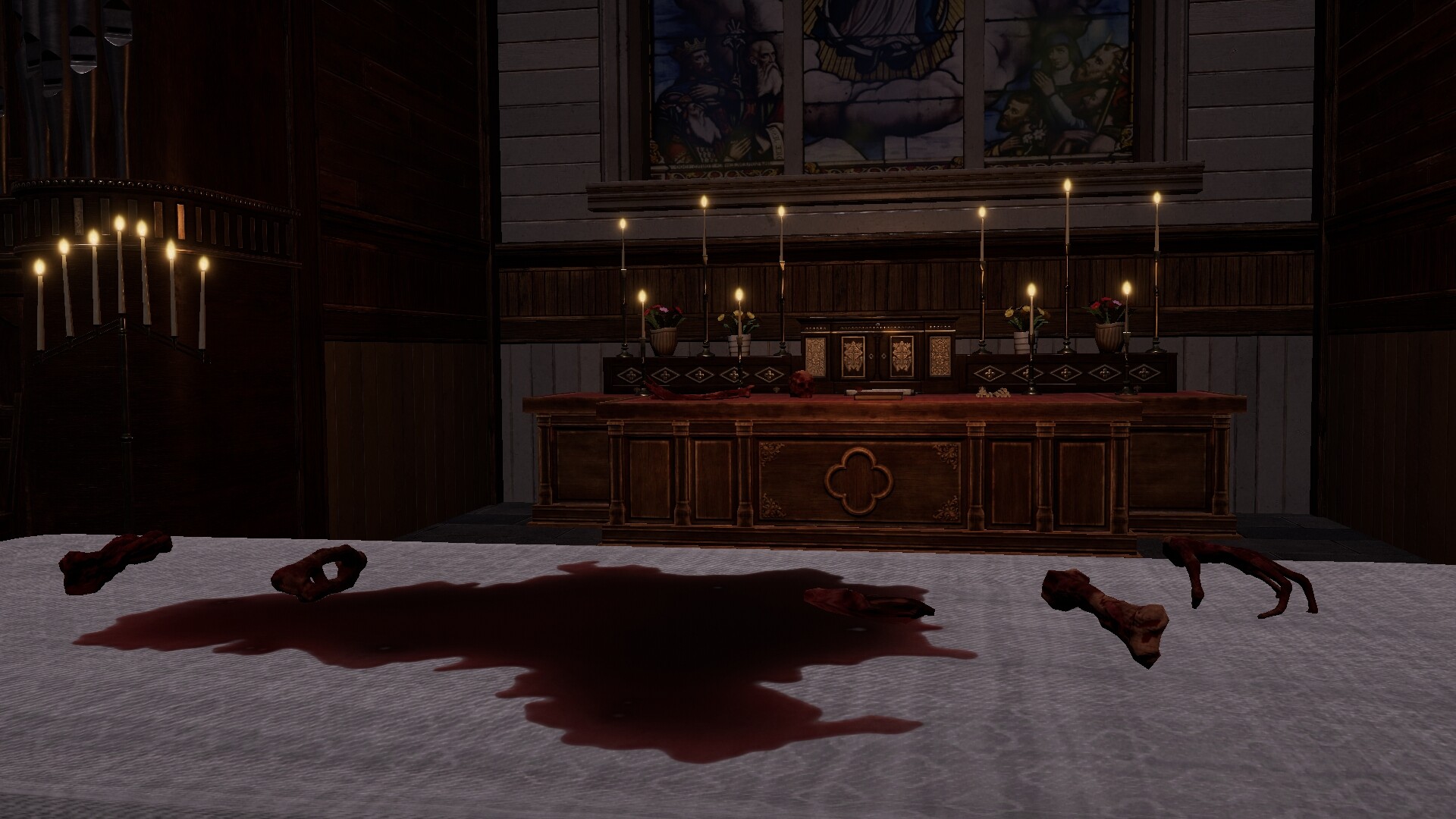
The mansion’s “erased” feel—furnished rooms with missing names, secured systems that unlock only when power is restored, and safes that yield encrypted documents—creates a locked-room logic where the environment is itself the cluebook. That removal of obvious identities makes environmental reading essential: furniture placement, absence of photographs, and manifests are all intentional puzzle inputs rather than purely decorative details.
How clue chains and locked-room thinking drive progress
Trace of the Villa favors chained puzzles over random inventory hunts. The Steam description emphasizes recovering manifests and following a trail of hints; mechanically, that implies you will often need to assemble fragments (documents, transfer records, encrypted notes) into context before a locked subsystem or hidden compartment becomes meaningful. Expect object clues to serve as both keys and evidence—each solved section should open new systems, reveal additional documents, or enable access to otherwise sealed areas.

Concrete facts
| Title | Trace of the Villa |
|---|---|
| Steam AppID | 3483660 |
| Release date | 28 May, 2026 |
| Developer | Steadyturtle Co., Ltd. |
| Publisher | Steadyturtle Co., Ltd. |
| Genres | Action, Adventure, Indie |
| Key categories | Single-player; Playable without Timed Input; Subtitle Options; Color Alternatives; Custom Volume Controls; Family Sharing |
| Official short description | Jin has spent years searching for his missing sister, pursuing leads that took him to a remote, decaying mansion where he recovered manifests and hints that indicate his sister may still be alive, somewhere at the end of the trail he is about to follow. |
How it compares (editorial discovery)
Below are straightforward editorial comparisons on puzzle focus, atmosphere, and player fit. These are meant to help decide taste alignment rather than to rank.
| Title | Genre(s) | Atmosphere / Story Tone | Puzzle focus | Exploration style | Player fit |
|---|---|---|---|---|---|
| Trace of the Villa | Action, Adventure, Indie | Mansion mystery; erased identities; slow-burn suspense | Document fragments, locked systems, chained clue progression | Environmental reading and forensic reconstruction of events | Players who like narrative-led, single-player investigation |
| The Room | Adventure, Indie | Mysterious, intimate puzzle-box atmosphere | Object-centered mechanical puzzles (cast-iron safe, carvings) | Focused, single-room puzzle exploration | Players who enjoy tactile, standalone puzzle chambers |
| The Room Two | Adventure, Indie | Cryptic, exploratory with layered artifacts | Object and mechanism puzzles continuing the first game’s approach | Multi-location puzzle rooms with narrative hints | Players wanting layered puzzle-box progression with atmosphere |
| Escape Simulator | Adventure, Casual, Indie, Simulation | Bright, interactive escape rooms; community-made variety | Physical interaction, movable objects, breakable props | Room-by-room, high interactivity; solo or multiplayer | Players who want high interactivity, sandbox puzzle design, or co-op |
Player scenarios: who will enjoy Trace of the Villa
- Solo detective: You prefer piecing together a timeline from manifests and encrypted fragments and enjoy the satisfaction of seeing systems unlock in sequence.
- Environmental reader: You value how placement, absence, and small props convey story beats—photo-less rooms and secured systems will be meaningful to you.
- Slow-burn suspense fan: You like tension built through omissions and implication rather than constant action; accessible settings like Subtitle Options and no-timed-input accommodate methodical play.
YouTube discovery
If you want trailers or gameplay clips, search YouTube for Trace of the Villa via this discovery URL (useful for trailer and gameplay searches; not a verified official video): Search Trace of the Villa on YouTube.
Final decision guide
Pick this up on your wishlist if you want a Steam single-player experience that centers on locked-room thinking, sequential puzzle chains, and reading a mansion’s environment as the primary storytelling device. If you prefer high-interaction physical puzzles or community-made rooms, titles like Escape Simulator serve a different itch; if you want tightly focused object-box puzzles, The Room series demonstrates that approach. Trace of the Villa sits between those poles, leaning into narrative and forensic assembly of clues.
View on Steam: Trace of the Villa on Steam
Referenced titles and trademarks belong to their respective owners; the comparisons above are editorial discovery only.
Leave a Reply