
Trace of the Villa: Rooms as Puzzle Spaces and Story Containers
Trace of the Villa casts you as Jin, a man chasing a lead in a remote, decaying mansion after years searching for his missing sister. Released on 28 May, 2026 by Steadyturtle Co., Ltd., the game frames rooms as both mechanical playgrounds for clue-driven puzzles and containers for unsettling narrative fragments.
Who this is for
This is for players who prefer slow-burn suspense and environmental storytelling over bombastic action — people who enjoy reading small details, following forensic threads, and letting a house’s layout and objects reveal a larger conspiracy. If you like puzzle adventure design that rewards careful observation and logic applied to found items, Trace of the Villa fits that appetite.
What the game is
Trace of the Villa is an Action / Adventure / Indie title on Steam developed and published by Steadyturtle Co., Ltd. Its official premise centers on Jin’s search for his missing sister in a mansion that feels “less abandoned than erased.” As the player restores power and uncovers encrypted documents, hidden compartments and safes yield fragments that build a broader, suspicious operation. The Steam page lists single-player features and accessibility options such as Color Alternatives, Custom Volume Controls, Playable without Timed Input, and Subtitle Options.
When and where
Trace of the Villa launched on Steam on 28 May, 2026. Its Steam store presence includes a header image and multiple in-game screenshots that emphasize the mansion’s furnishings and locked spaces (see official visuals below).
Why the mansion matters
Designing rooms as story containers means each room does double duty: it houses mechanical puzzles (safes, locked doors, secured systems) while also carrying story clues (personal belongings without names, manifests, transfer records). According to the official description, the estate has “no photographs, no names, no history — as if identities themselves were removed,” which makes the act of reading objects and systems the primary way narrative context is returned to the world.
How you read clues and progress
- Clue reading: expect a steady accumulation of small, often forensic details — manifests, encrypted fragments, financial trails — that must be stitched together to reveal motive and timeline.
- Object logic: rooms contain worked objects and secured systems; restoring power and unlocking safes are explicit story beats described on the Steam page, so mechanical progression is bound to environmental interactions.
- Story puzzles: puzzles do more than gate progress. They reveal layers of a concealed operation — falsified identities, arrivals without records, departures without witnesses — so solving is both mechanical and narrative discovery.
Player scenarios — who will enjoy it and why
- Quiet observer: You enjoy reading notes, examining furniture, and letting the architecture tell you a timeline. The game’s focus on rooms as narrative nodes is aimed at this player.
- Clue-driven solver: You like puzzles that require cross-referencing objects and document fragments. Restoring systems and decrypting fragments, as described in the official text, will appeal to methodical players.
- Atmospheric story fan: You’re drawn to psychological investigation and mansion mysteries where mood and implication matter as much as explicit answers.
Official visuals

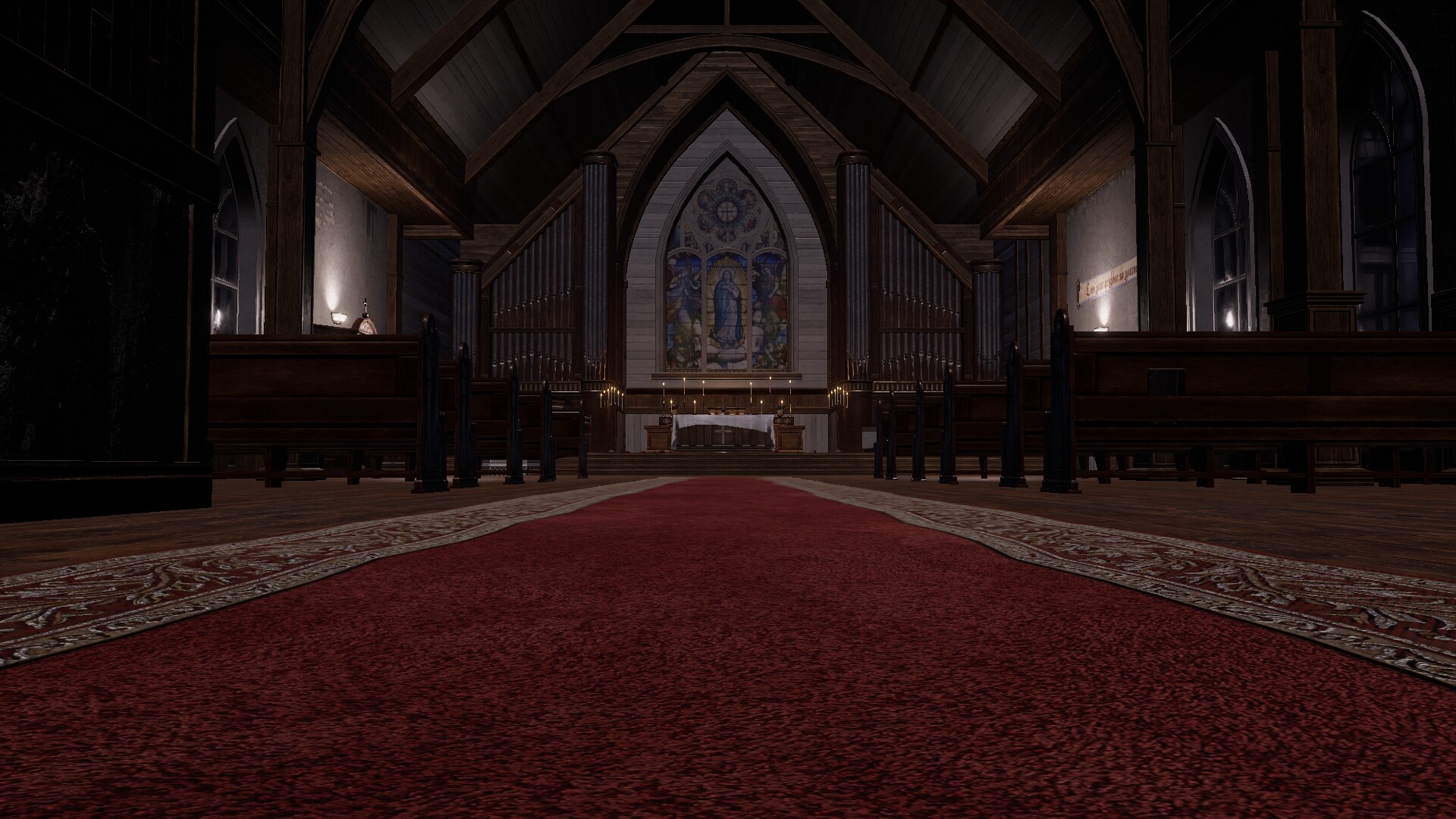

Quick facts
| Title | Trace of the Villa |
|---|---|
| Steam AppID | 3483660 |
| Developer / Publisher | Steadyturtle Co., Ltd. |
| Release date | 28 May, 2026 |
| Genres | Action, Adventure, Indie |
| Categories / Features | Single-player; Color Alternatives; Custom Volume Controls; Playable without Timed Input; Subtitle Options; Family Sharing |
| Short premise | Jin searches a decaying mansion for signs his missing sister may still be alive. |
How Trace of the Villa compares — editorial snapshot
Below is a compact editorial comparison with nearby puzzle/adventure titles to help you decide whether Trace of the Villa matches your taste.
| Title | Puzzle focus | Atmosphere & story tone | Exploration style | Best-fit player |
|---|---|---|---|---|
| The Room | Mechanical safes and tactile, object-based puzzles | Mysterious, claustrophobic | Single-room, focused puzzle chamber progression | Players who like handcrafted mechanical puzzles and tactile solutions |
| The Room Two | Expanded mechanical puzzles with layered devices | Same mysterious tone, broader locales | Sequential puzzle spaces with narrative threads | Those who want more elaborate object puzzles and atmosphere |
| Escape Simulator | Highly interactive escape-room style puzzles | Varied — from playful to tense depending on room | Room-to-room, physics-interactive, often multiplayer | Players who enjoy physical interactivity and cooperative puzzling |
| Unpacking | Object-placement and environmental reading rather than locks | Zen, reflective, story told through possessions | Room-by-room environmental narrative without traditional puzzles | Players who prefer quiet, narrative-driven object work over logic puzzles |
YouTube discovery
If you want trailer or gameplay footage, use this YouTube search path (search results may include trailers, gameplay, and user recordings): Search Trace of the Villa on YouTube.
Decide for yourself
If you value clue-driven exploration, layered story puzzles, and rooms that reveal both mechanics and narrative, add Trace of the Villa to your wishlist or pick it up on Steam to see how Jin’s investigation unfolds through furnished, locked, and erased spaces.
View Trace of the Villa on Steam
Disclaimer: Referenced titles and trademarks belong to their respective owners. Comparisons in this article are editorial discovery only and not claims of endorsement
Leave a Reply