Trace of the Villa and the Case for Quiet, Slow-Burn Horror
Trace of the Villa arrives as a study in withheld information: a quiet, decaying mansion, a missing sister, and a trail of manifests that insist you read between the lines. The game’s tension comes from what it refuses to show — the gaps in identity, the creaking hush of a house coming back to life, and the steady accumulation of clues that turn unease into purpose.

| Title | Trace of the Villa |
|---|---|
| Release date | 28 May, 2026 |
| Developer / Publisher | Steadyturtle Co., Ltd. |
| Genres | Action, Adventure, Indie |
| Key Categories | Single-player; Color Alternatives; Custom Volume Controls; Playable without Timed Input; Subtitle Options; Family Sharing |
| Steam reviews | No user reviews |
Who this is for
Trace of the Villa suits PC players who prefer atmosphere and investigation over shock-value. If you prize environmental storytelling, clue-driven exploration, and puzzle-led progression — the kind of tension that creeps up while you read a ledger or restore a circuit — this is aimed at you. Players who want short-lived jump scares and high-action combat loops may find it too deliberate.
What the game is
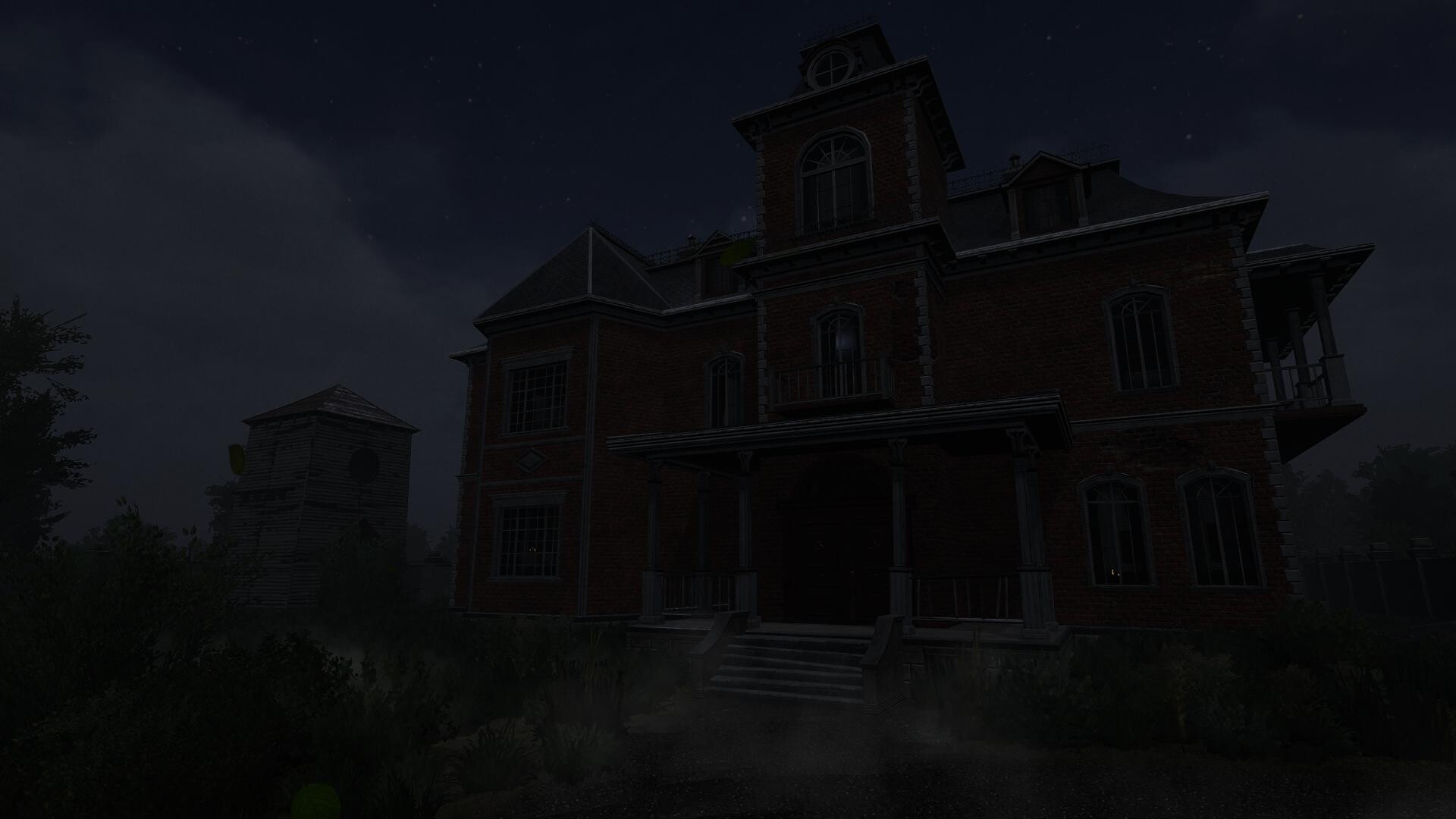
Officially described on Steam as a story about Jin, who has spent years searching for his missing sister and follows a lead to “a remote, decaying mansion.” Inside, the estate appears less abandoned than erased: rooms frozen mid-routine, missing identities, and evidence of a concealed operation. When Jin restores power the house begins to reveal secured systems, hidden compartments, safes and encrypted documents — a chain of small discoveries that stitch together a larger timeline. That premise places the game in the psychological investigation lane rather than a pure survival-horror or action spectacle.
When and where
Trace of the Villa launched on Steam on 28 May, 2026. The Steam store page lists the usual PC-focused categories — single-player, subtitle options, accessibility-oriented items such as color alternatives and custom volume controls — suggesting an experience designed to be approachable at the player’s pace. You can view the Steam page directly: Trace of the Villa on Steam.
Why quiet tension matters more than shock claims
Psychological horror built from uncertainty forces a different kind of attention. A house that withholds names, a ledger that only hints at transactions, a locked safe that opens into another question — these are narrative devices that convert player curiosity into dread. Where jump scares rely on reflex, slow-burn suspense rewards pattern recognition and inference. That payoff feels personal: you are not being surprised so much as learning the rules of a place that was never meant to be understood.

How you progress — puzzle and investigation systems
The Steam description outlines a gameplay loop that is investigation-forward: restoring power, reactivating secured systems, unlocking hidden compartments, and recovering fragments of encrypted documents and transfer records. Progression is narrative-driven; each solved puzzle reveals additional traces and builds a timeline. The presence of “playable without timed input” and accessibility categories signals puzzles that can be approached thoughtfully rather than under repeated time pressure.
Player scenarios — should you wishlist it?
- If you like: atmospheric mystery adventure, slow-burn suspense, filling in blanks from environmental clues — wishlist this.
- If you want: frenetic combat or repeated jump scares — consider other options; Trace of the Villa prioritizes unease and investigation over spectacle.
- If you enjoy: narrative puzzle design and story-rich exploration where reading manifests and decrypting fragments matters, this fits that appetite.
How Trace of the Villa compares (editorial discovery)
| Title | Primary Genre(s) | Atmosphere & Tone | Puzzle / Investigation Focus | Exploration Style | Player fit |
|---|---|---|---|---|---|
| Trace of the Villa | Action, Adventure, Indie | Quiet, mansion mystery; erased identities and bureaucratic traces | Clue-driven puzzles; restoring systems and recovering documents | Deliberate, room-by-room investigation | Players who value environmental storytelling and slow-burn suspense |
| Amnesia: The Dark Descent | Action, Adventure, Indie | Immersive, survival-leaning psychological horror | Puzzle elements woven into survival mechanics and immersion | First-person exploration with emphasis on atmosphere | Players seeking tense immersion and dread-driven exploration |
| SOMA | Action, Adventure, Indie | Sci-fi existential, slow-burn tension | Investigation and narrative puzzles focused on identity and consciousness | Linear, story-forward exploration in confined environments | Players interested in philosophical horror and narrative consequencesYouTube discoveryFor trailer and gameplay discovery, use YouTube search rather than relying on unverified embeds: Find Trace of the Villa trailer and gameplay searches on YouTube. Reader decision checklistUse this checklist before deciding whether Trace of the Villa belongs on your Steam wishlist. The game is most relevant if you enjoy reading environmental evidence, following document trails, inspecting rooms for small inconsistencies, and letting a mystery unfold through objects rather than exposition. It is less about instant spectacle and more about the slow pressure of a place that seems to have been deliberately erased. SEO note for discovery-minded playersPlayers searching for atmospheric mystery adventure, clue-driven exploration, mansion mystery game, story-rich indie adventure, psychological investigation game, or narrative puzzle design are likely looking for the same core appeal: a PC game where the setting is not just a backdrop but the main source of evidence. Trace of the Villa fits that search intent because its official Steam premise centers on Jin, his missing sister, a remote mansion, restored systems, hidden compartments, safes, encrypted documents, and a trail of suspicious records. Final player-fit summaryWishlist Trace of the Villa if you want a slow investigation built around official Steam store elements: a 28 May, 2026 release from Steadyturtle Co., Ltd., a single-player PC/Steam mystery structure, official screenshots showing the mansion atmosphere, and a premise that uses the house itself as a puzzle box. The strongest fit is for players who prefer patience, observation, and narrative reconstruction over fast combat or loud horror beats. CommentsMore posts |
Leave a Reply